Discover Our Journey
SFI MEDIAFUTURES
We successfully completed the NFR Midway Evaluation with an extremely positive and encouraging assessment, further affirming the significant impact and progress we have made at MediaFutures. Now, we want to share our key achievements from the past years with you.
Our Milestones
Trace the key moments that have defined our growth and success.
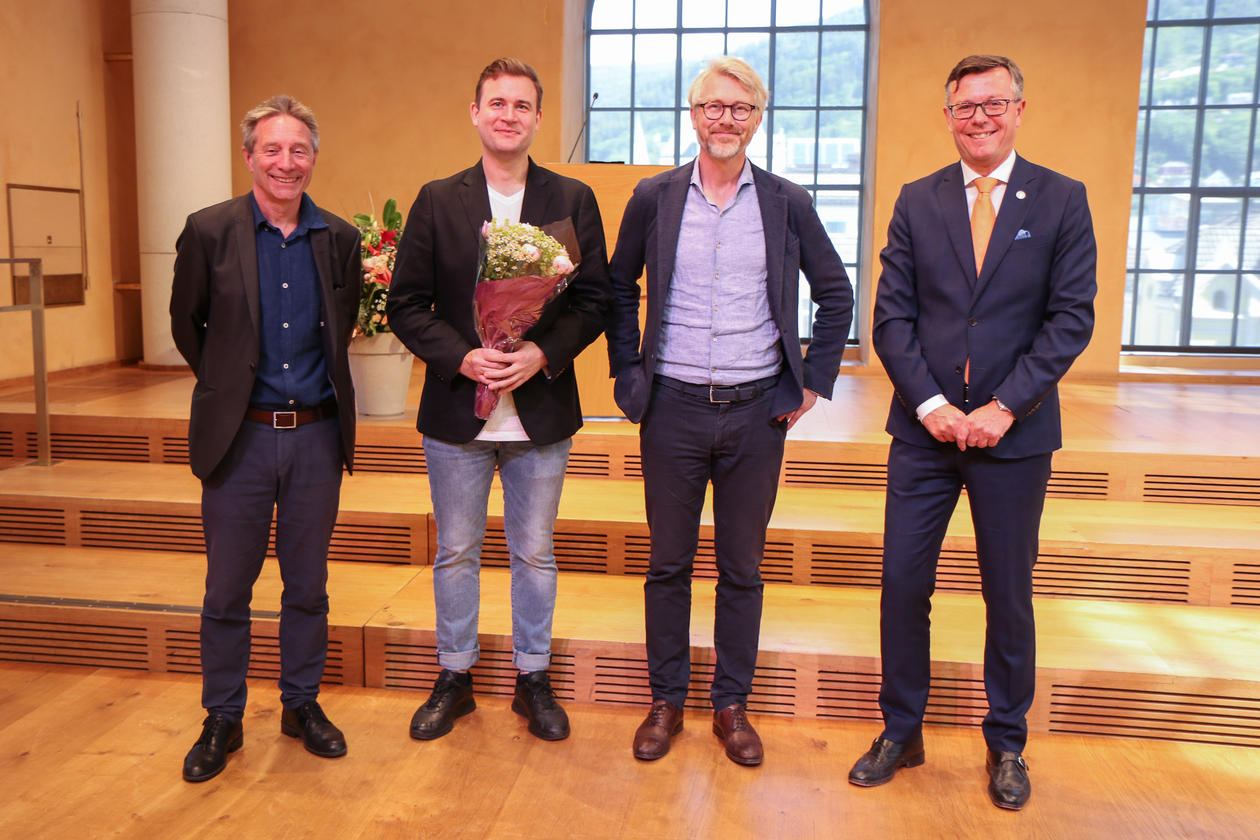
Professor Christoph Trattner, founder and director of the Centre, received official approval from the Research Council of Norway to establish MediaFutures: Research Centre for Responsible Media Technology & Innovation.
 The Consortium Agreement laid the contractual foundation for MediaFutures’ innovation model—bridging academia and industry through close collaboration. The core team at that time consisted of Christoph Trattner, Magnus Holterman and Bavin Wahab-Jami. Short thereafter the center started up and the website was launched with support from Infomedia: Ragnhild Utkilen, Knut Risnes and Espen Dahle.
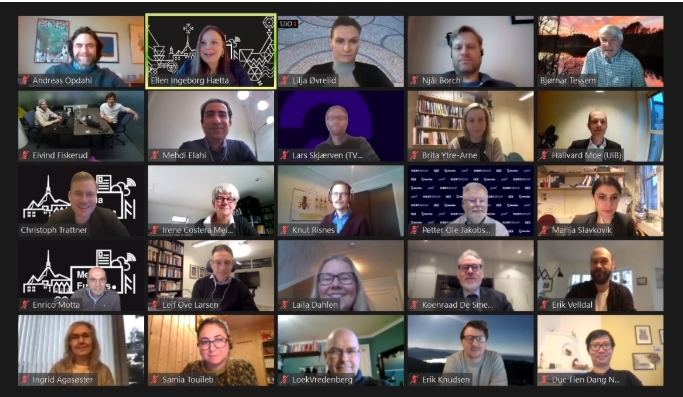
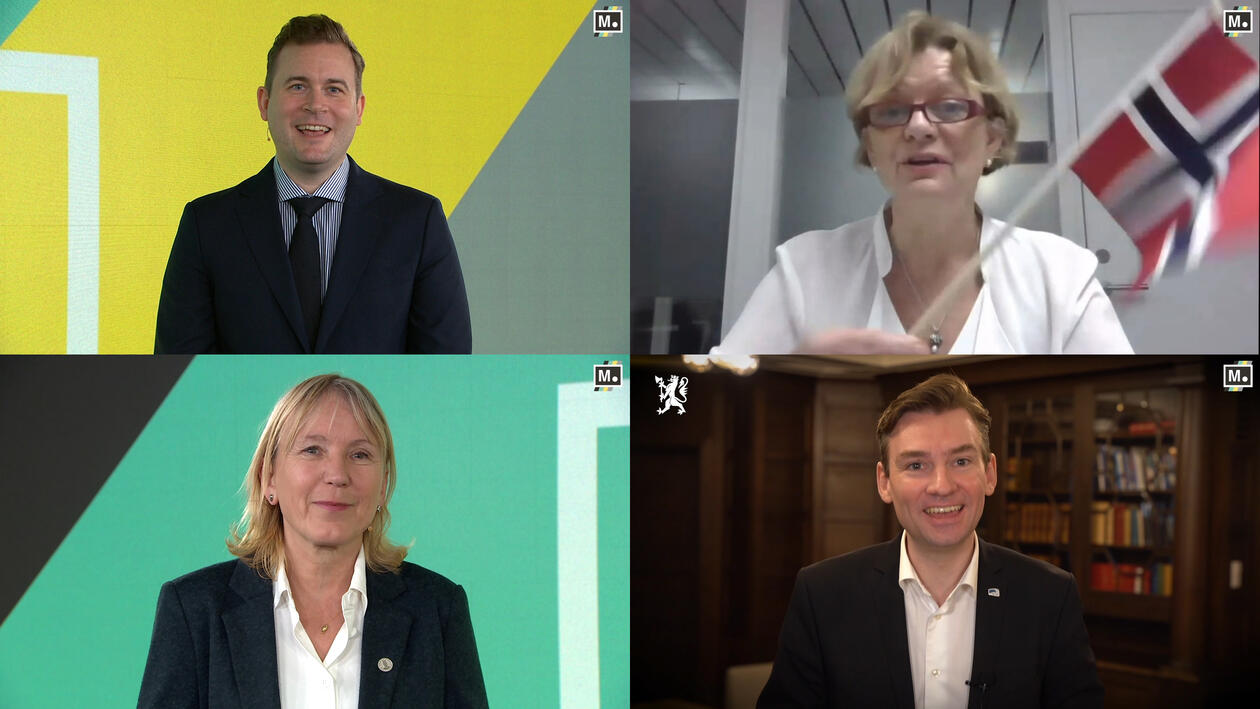 Due to the COVID-19 pandemic, we hosted the official online opening of MediaFutures. In collaboration with 13 R&D partners from the media, tech, and academic sectors, we established Norway’s first research centre focused on developing responsible media technology. Everyone was invited to join the digital opening.
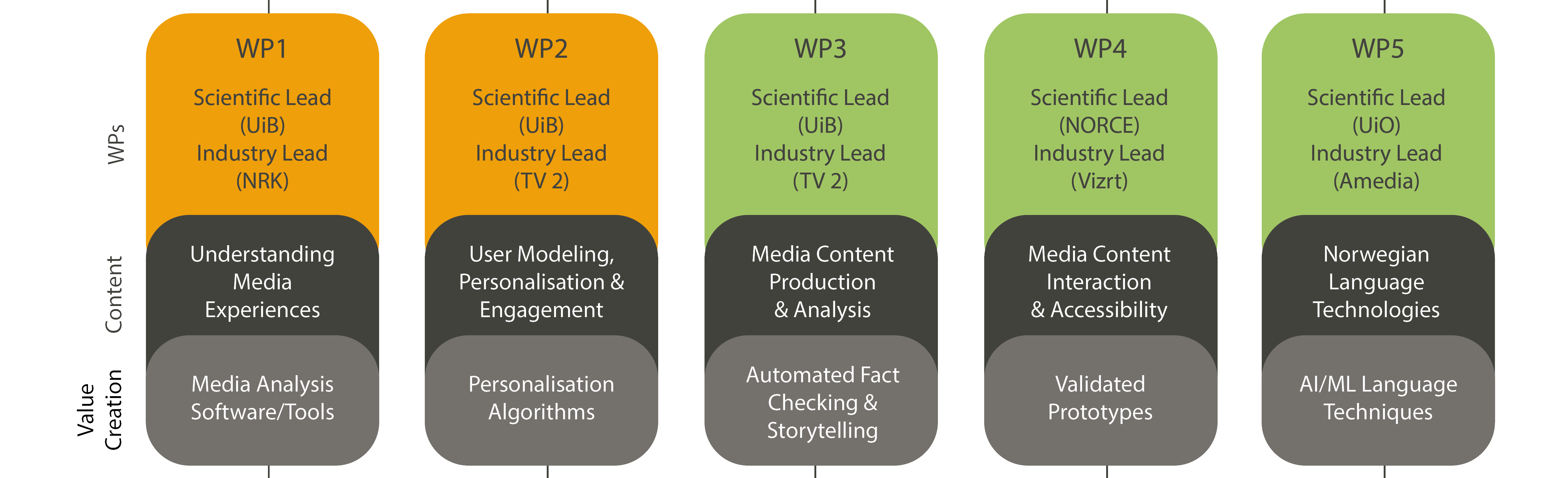 MediaFutures is structured around five specialized work packages (WPs), each focused on advancing key aspects of the evolving media landscape: WP 1: Understanding Media Experience. WP 2: User Modelling, Personalization & Engagement. WP 3: Media Content Production & Analysis. WP 4: Media Content Interaction & Accessibility. WP 5: Norwegian Language Technologies
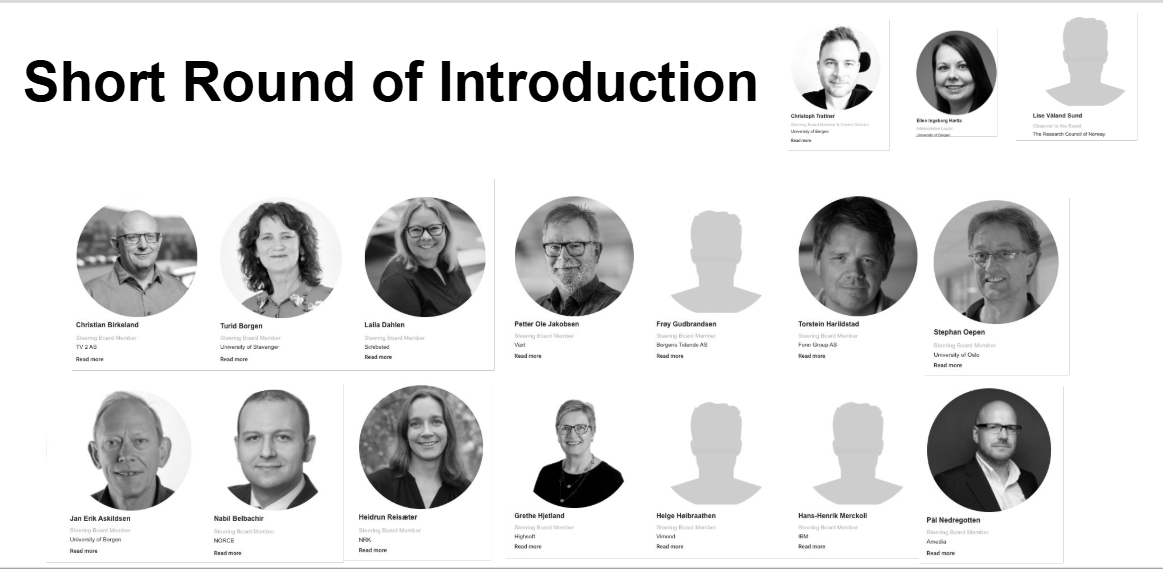 The steering board is the key strategic and overseeing body for MediaFutures. It approves and monitors strategic lines of activity, with a strong focus on User Partners. The board ensures that activities stay on time and within budget, following the Centre’s plan.
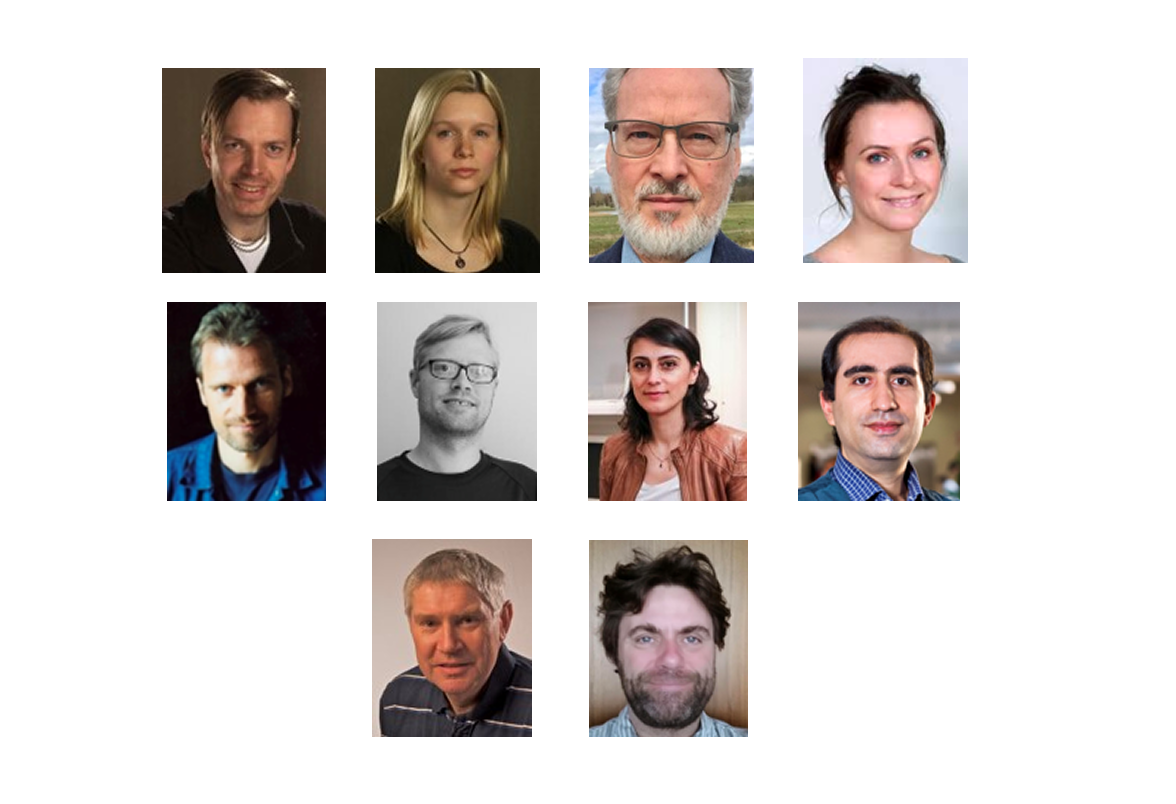 The first work package leader meeting took place on the 29th of October 2020 and has been since then happened every other week.
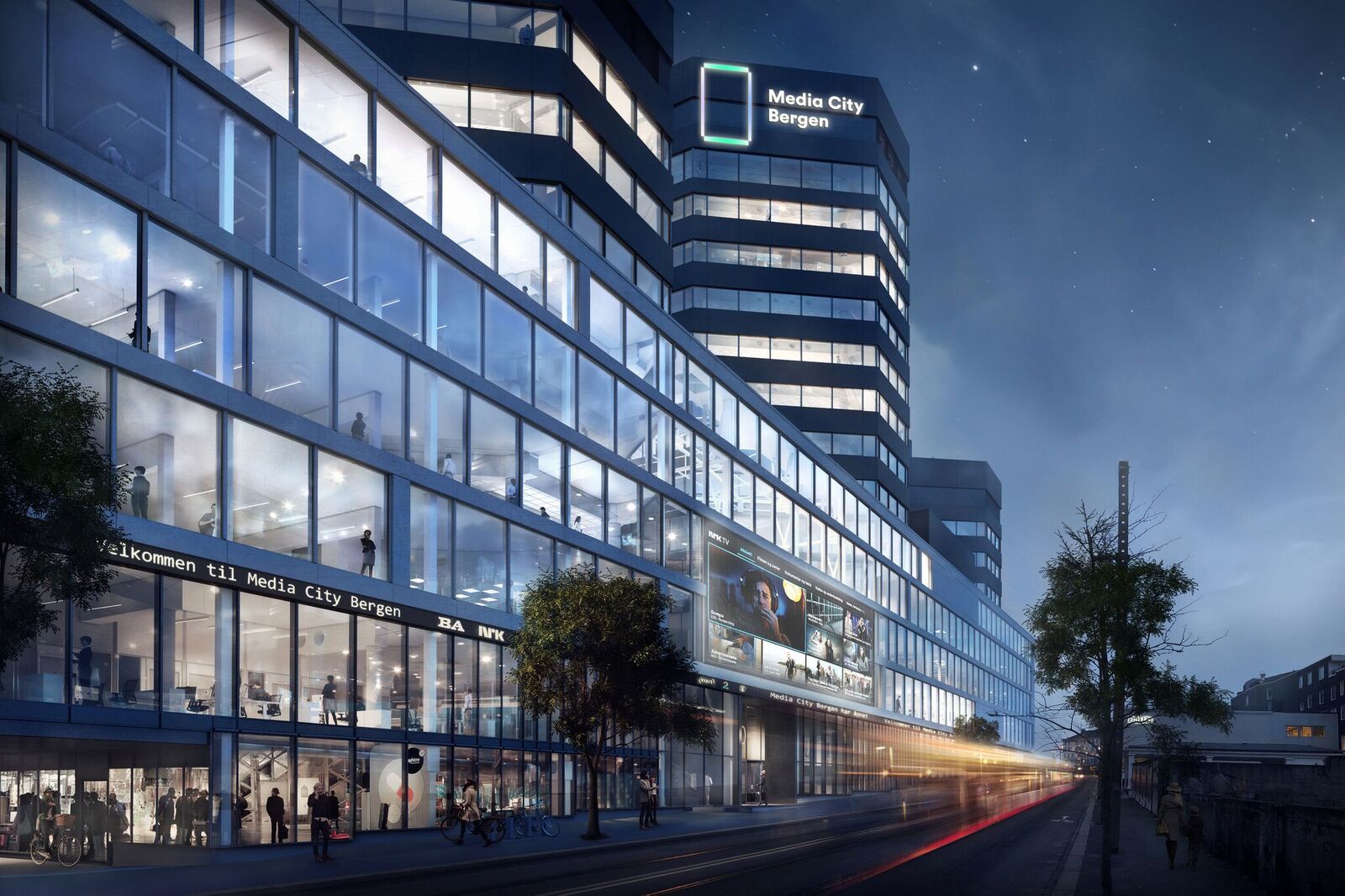 Already in September 2020 we established the physical presence of SFI MediaFutures in the third floor of Media City Bergen. We moved into our office space in May 2021.
 As early as 2021, the media technology company Wolftech joined the consortium and has since then contributes actively to our research in different work packages.
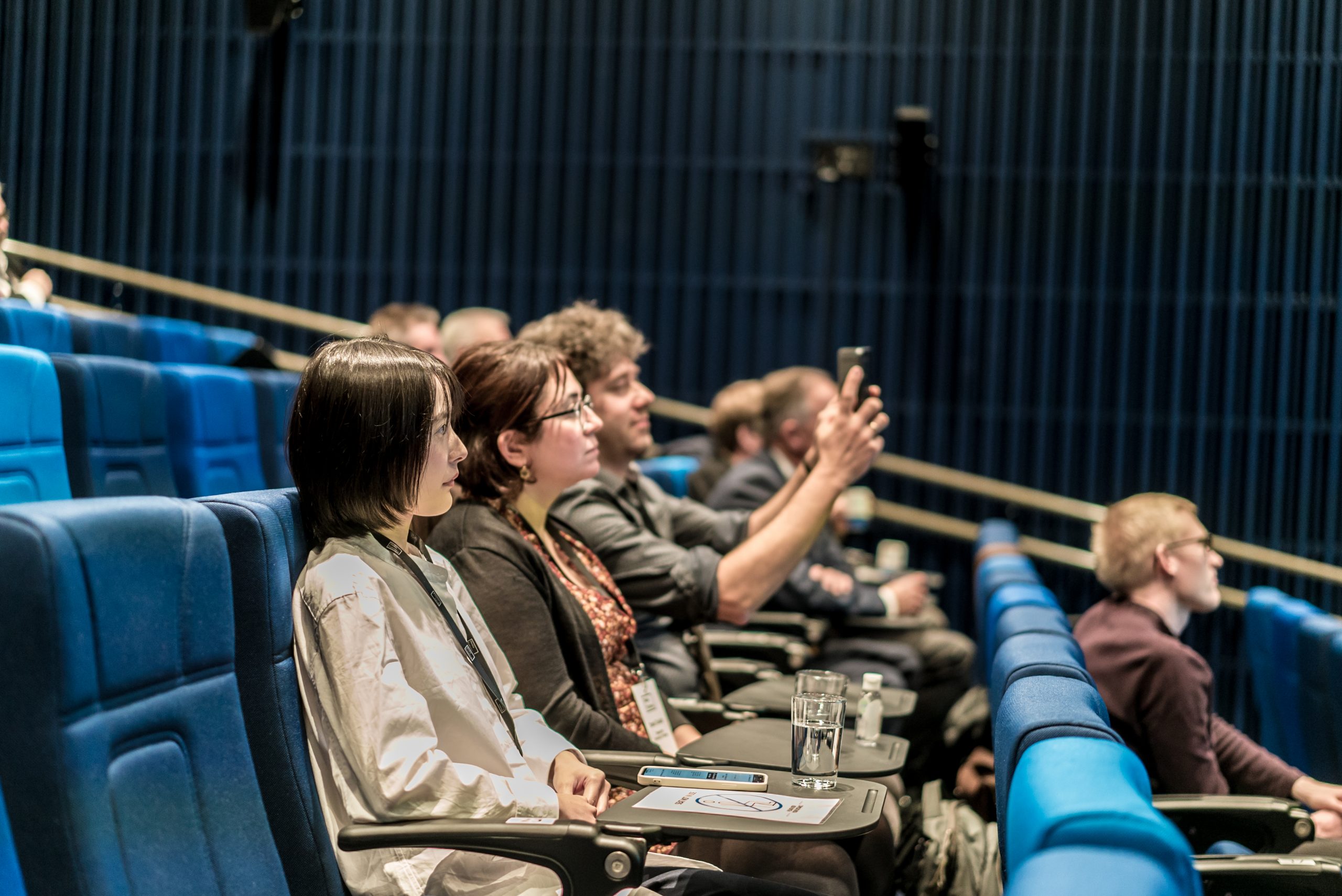
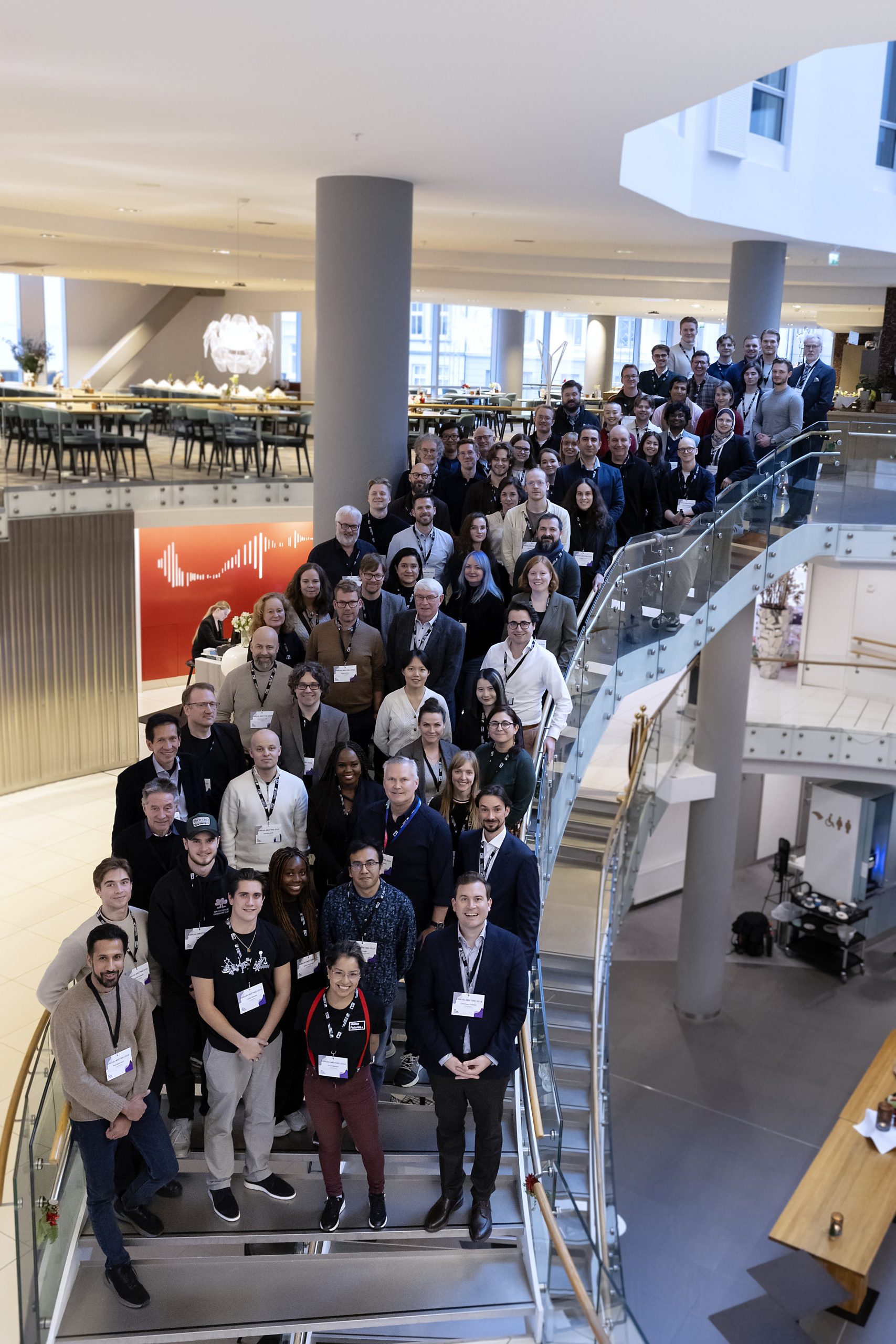
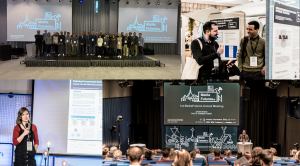 Held on September 29th to 30th 2021, MediaFutures’ first Annual Meeting came out to be a great success. Since then, we organised Annual Meetings every year with over 100 participants each.
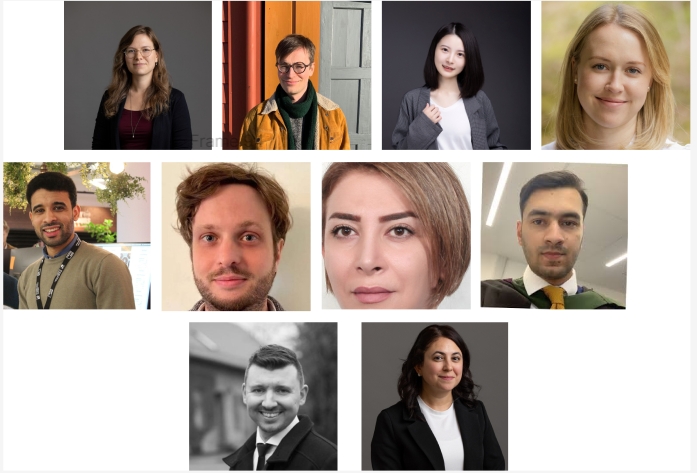 In 2021, SFI MediaFutures hired 6 PhDs, 2 PostDocs , 3 Research Assistant, 2 permanent researchers and 4 Prof. IIs. Together with the staff from 2020, the centre consisted now of 80 people.
 Norways National Library joined the consortium and has been collaborating mostly with WP5 on researching natural language processing.
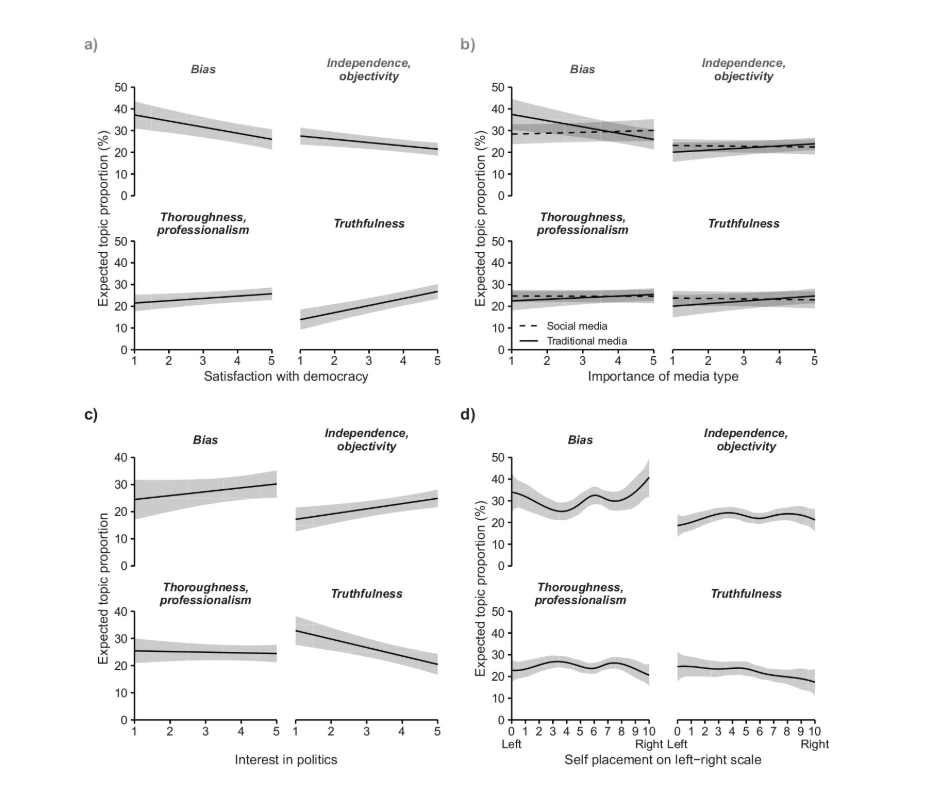 How the public understands news media trust: An open-ended approach. Knudsen, E., Dahlberg, S., Iversen, M. H., Johannesson, M. P., & Nygaard, S. Journalism, 23(11), 2347-2363. 2021.
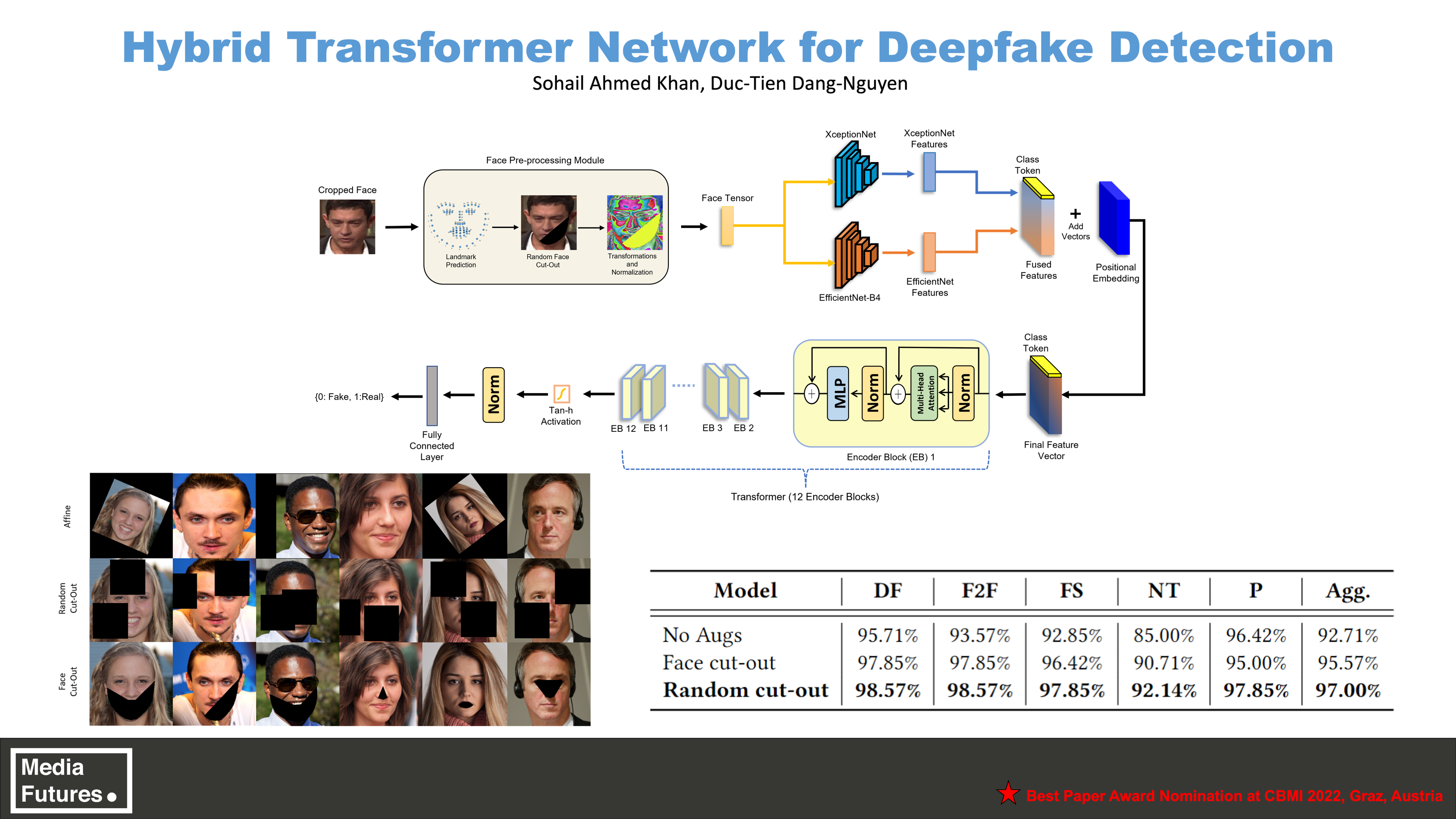 We develop AI software that helps end-users detect synthetic images, combating visual mis- and disinformation in news. Using large vision-language models (VLMs), the tool automatically classifies and detects AI-generated content.
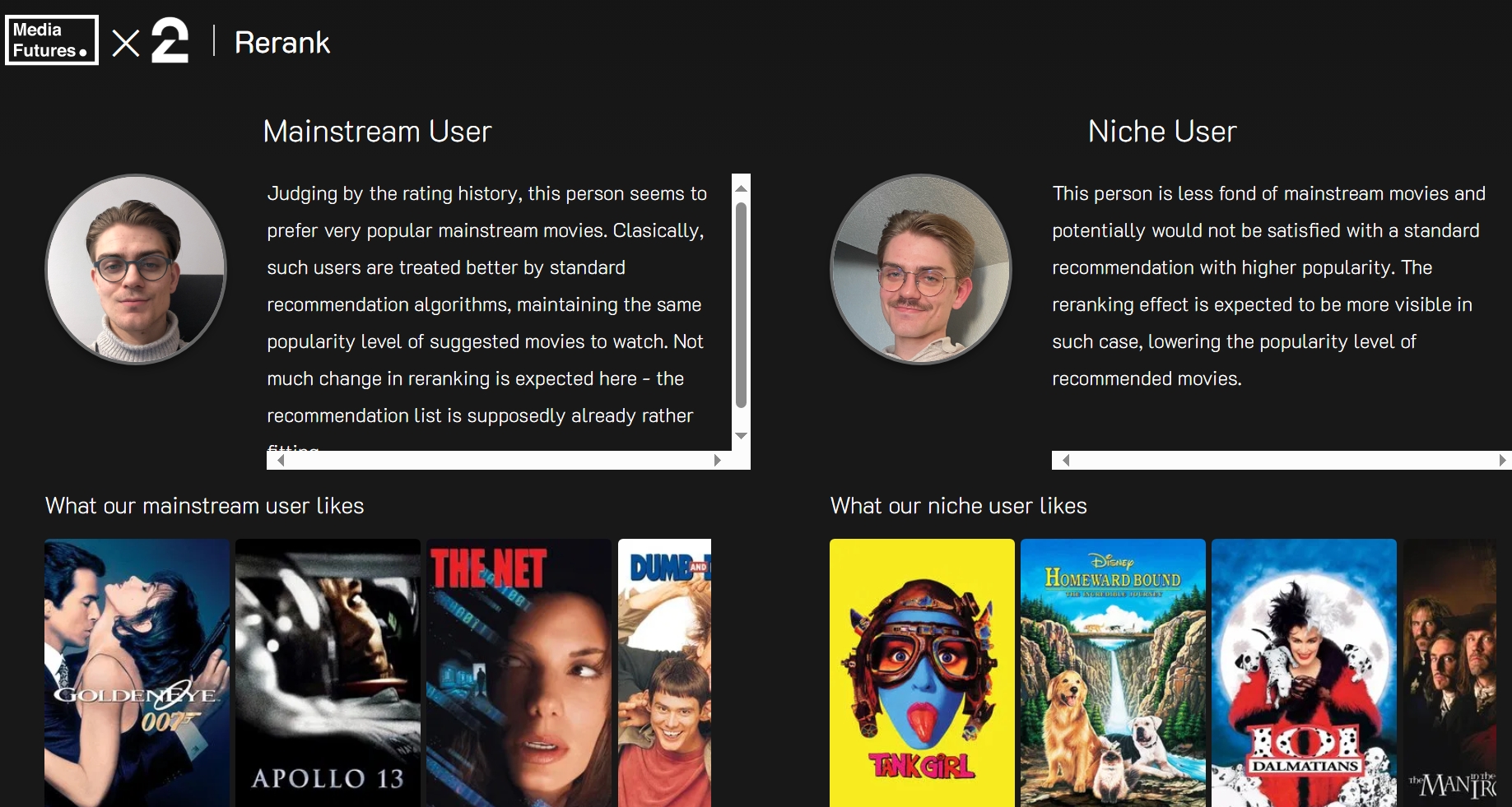 In collaboration with TV2, we developed Re-Reanker, a streaming recommender system designed to address popularity bias. It balances recommendations by considering users’ viewing history—providing popular suggestions for mainstream users and more niche recommendations for those seeking unique content.
Since 2023, the centre has also partnered with the Norwegian fact-checking organisation faktisk.no to bolster its profile against misinformation. This collaboration enables the testing and integration of tools developed at the centre within real-world production settings, thereby enhancing their relevance to industry practices.
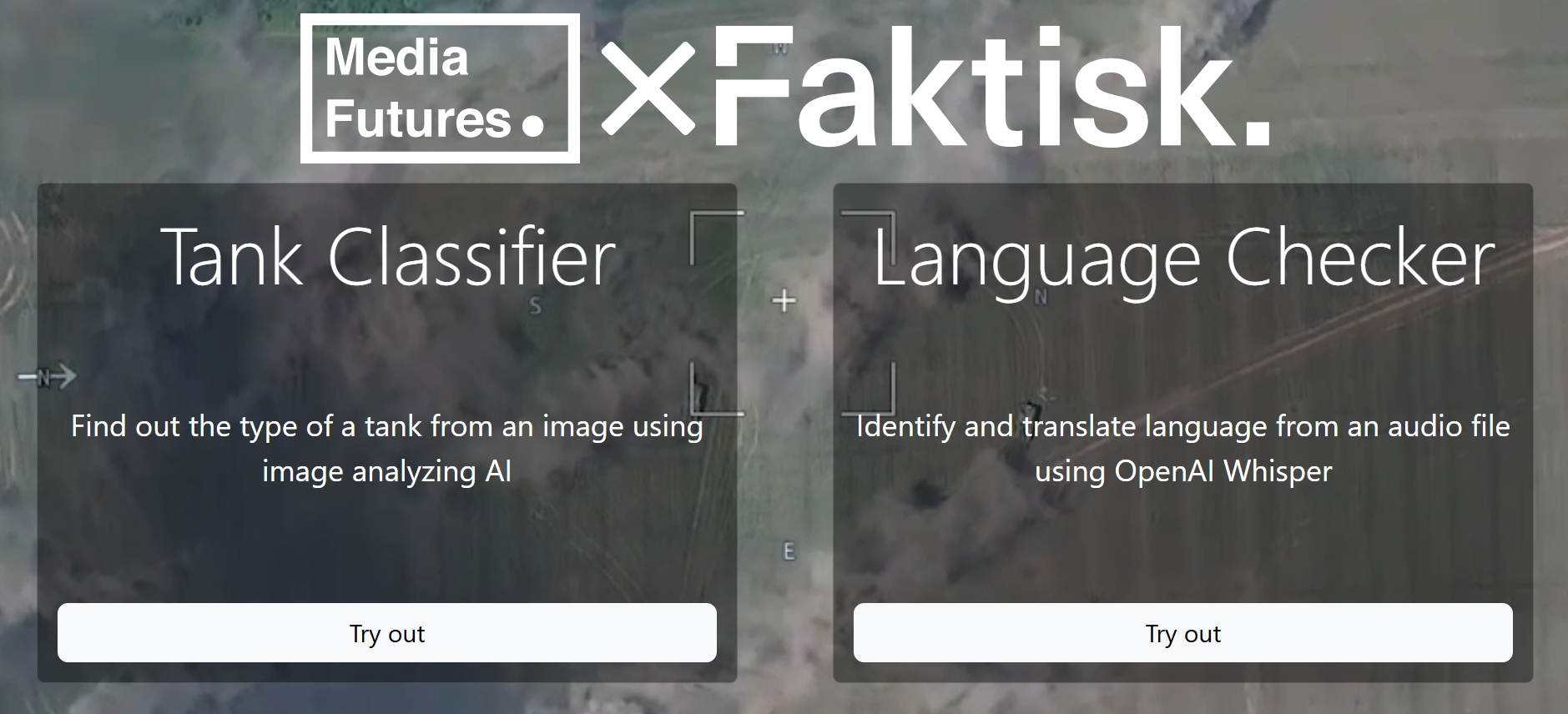 In collaboration with Faktisk.no, we developed AI software that helps fact-checkers detect images of weaponry, improving accuracy in reporting on international conflicts, including wars.
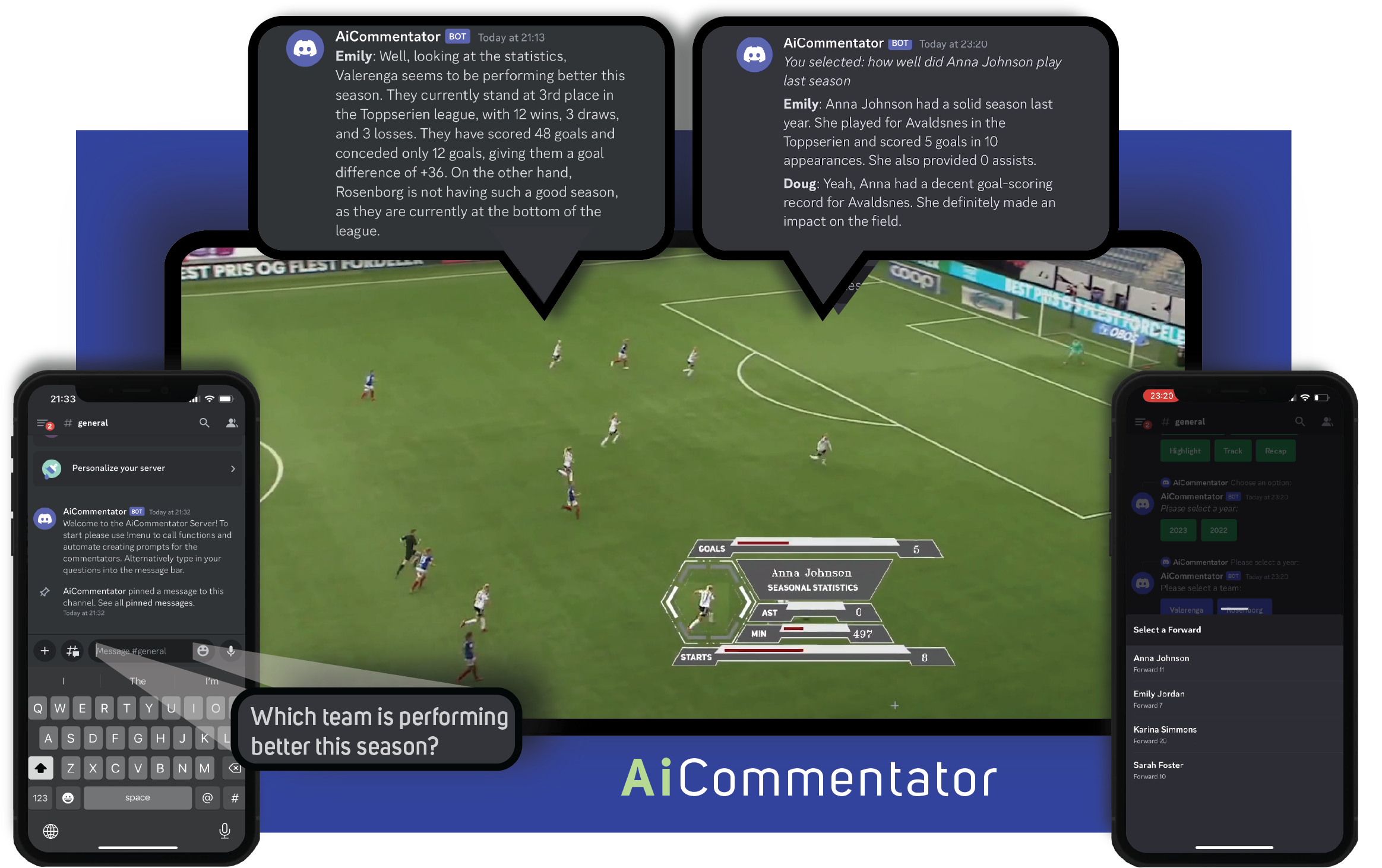 Developed in collaboration with Schibsted and Tohoku University, AICommentator combines visual recognition AI with real-time sports commentary. The mobile app provides live and historical game stats, player locations, and automated commentary via a Discord bot, offering an engaging, interactive experience for users.
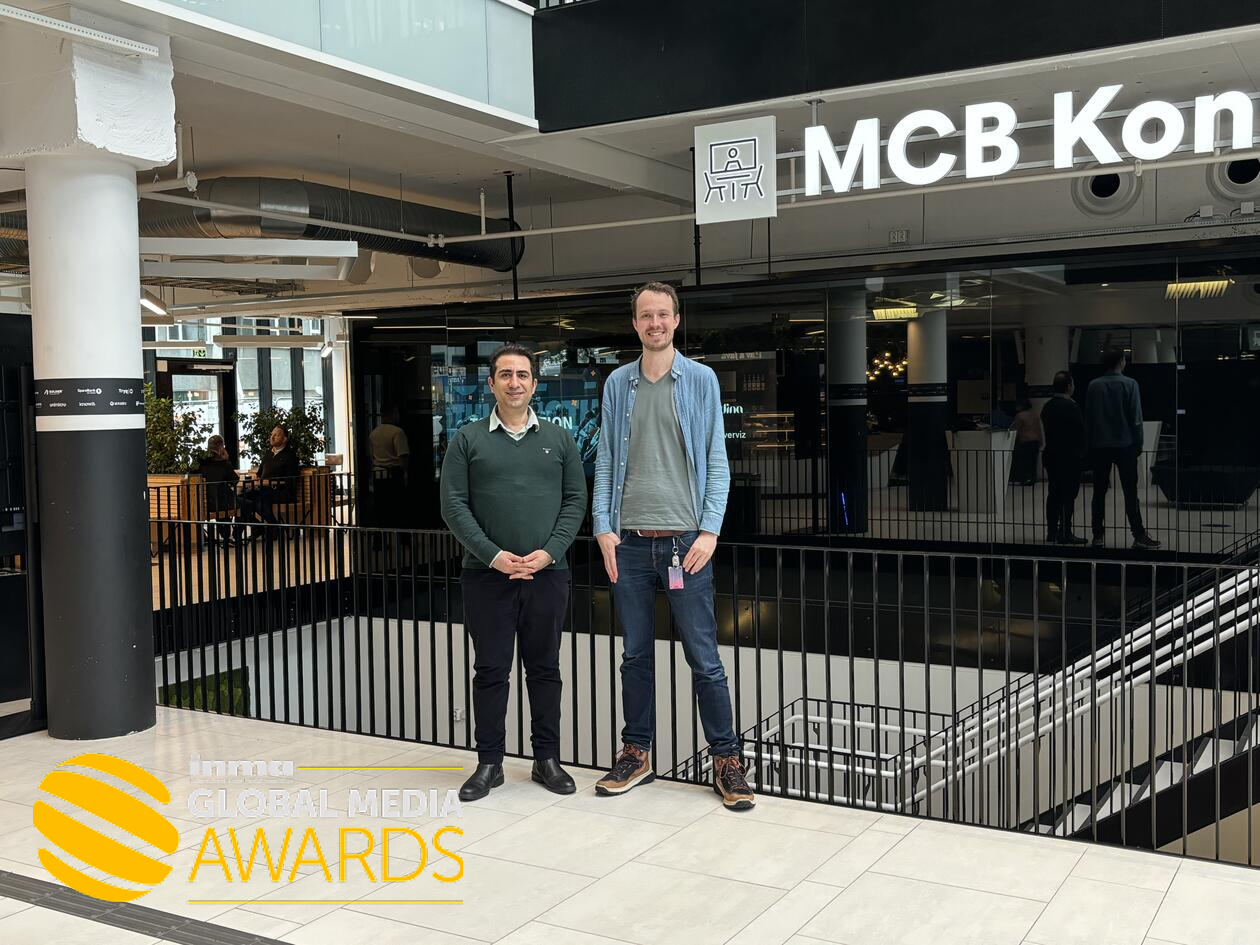 MediaFutures partner Bergens Tidende (BT) in cooperation with professor Mehdi Elahi and UiB student Peter Kolbeinsen Klingenberg won the first price in the category Readership and Engagement, regional brands of the 2024 Global Media Awards for their Enhanced Recommender Systems for News Reader Engagement.
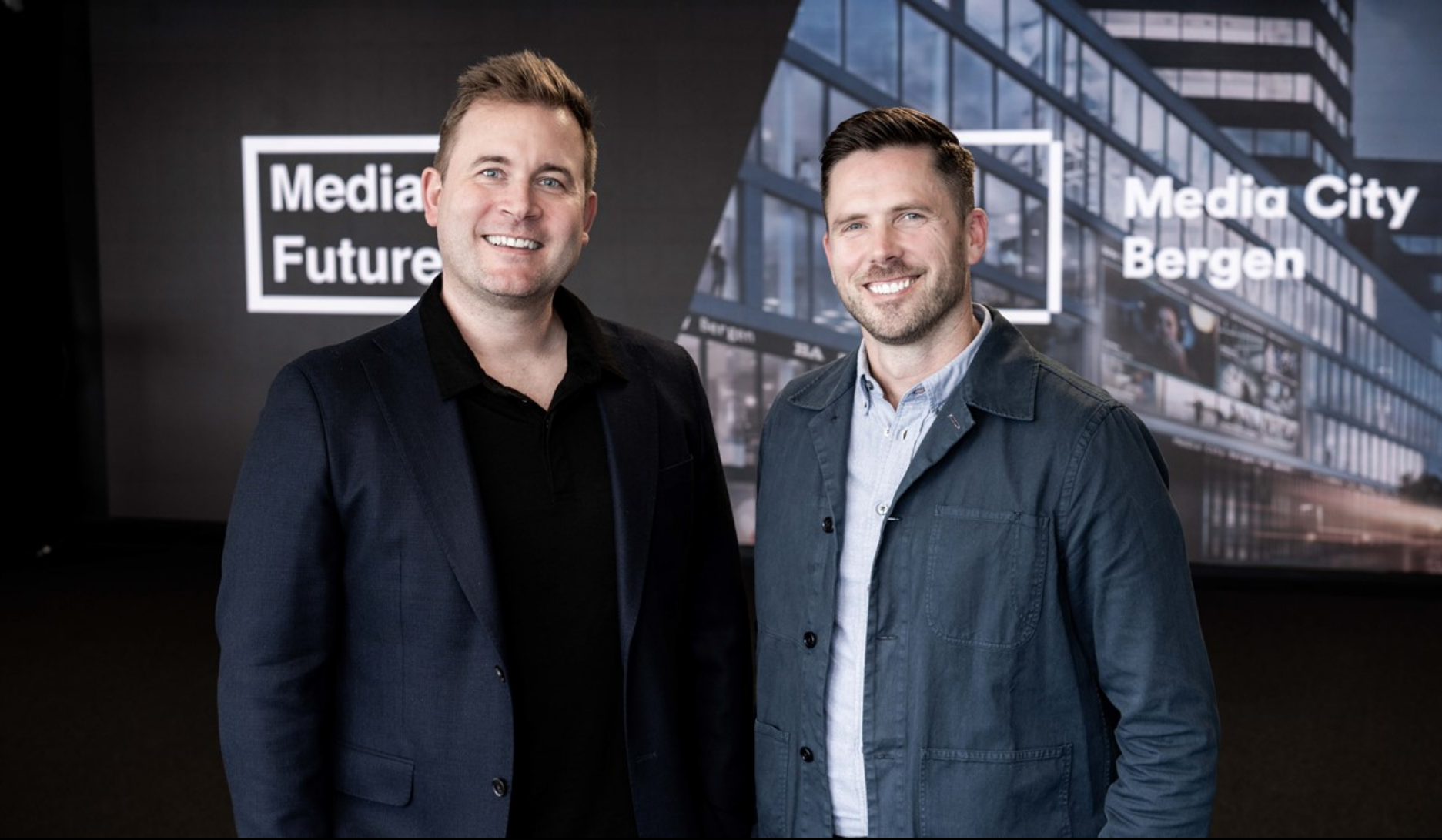 MediaFutures is part of the project Reynir, consisting of editorial and media tech companies, interest organizations, and academics within Media City Bergen’s cluster. Together they develop technological solutions countering threats generated by AI and the spread of misinformation.
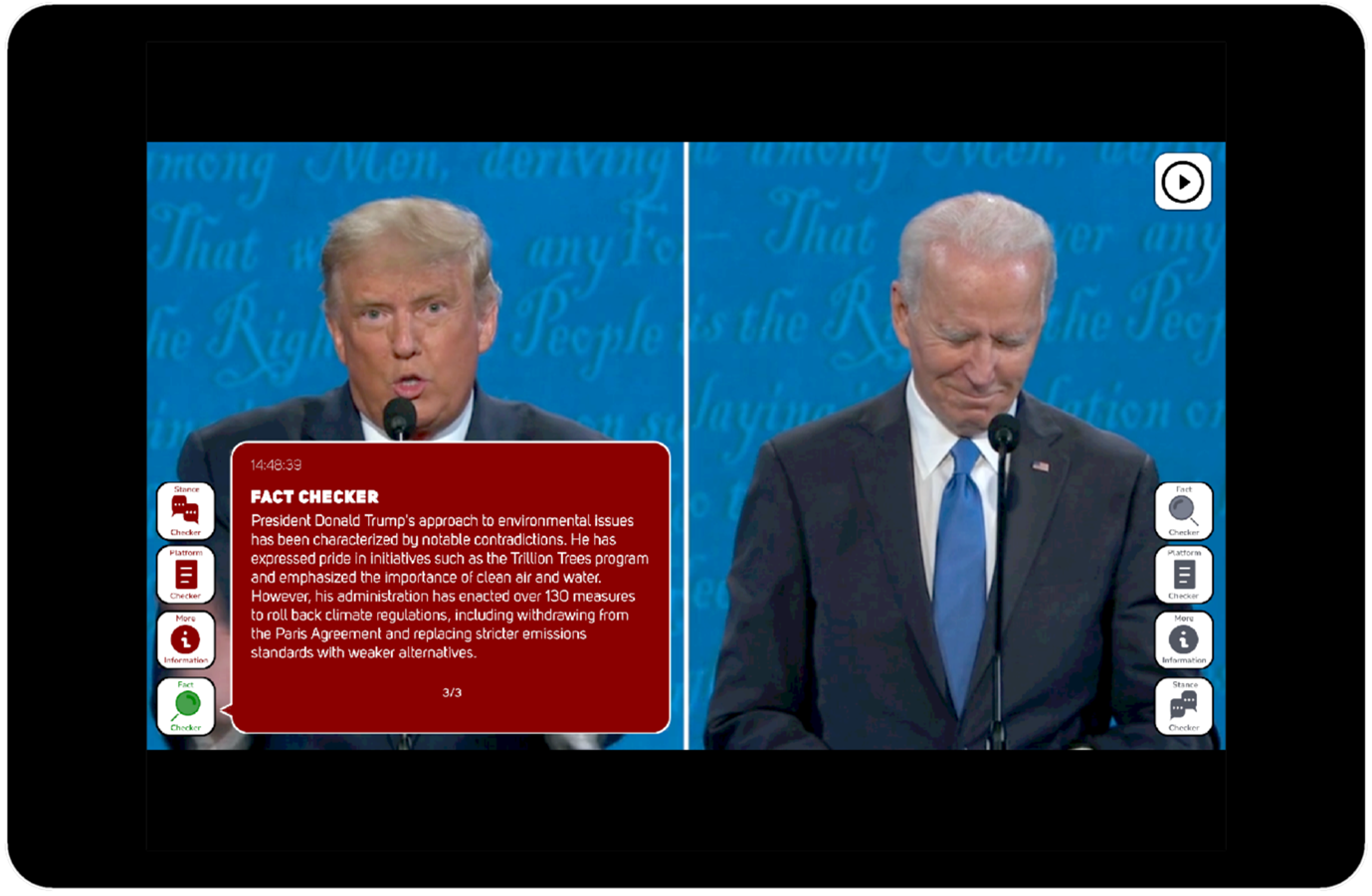 In collaboration with Schibsted, TV2 and Amedia, we developed AI software to enhance live political debates by enabling end-users to verify, compare, and contextualize political claims in real-time. Our multimodal conversational agent boosts engagement and provides live context during political panel discussions, empowering users to assess claims interactively as they unfold.
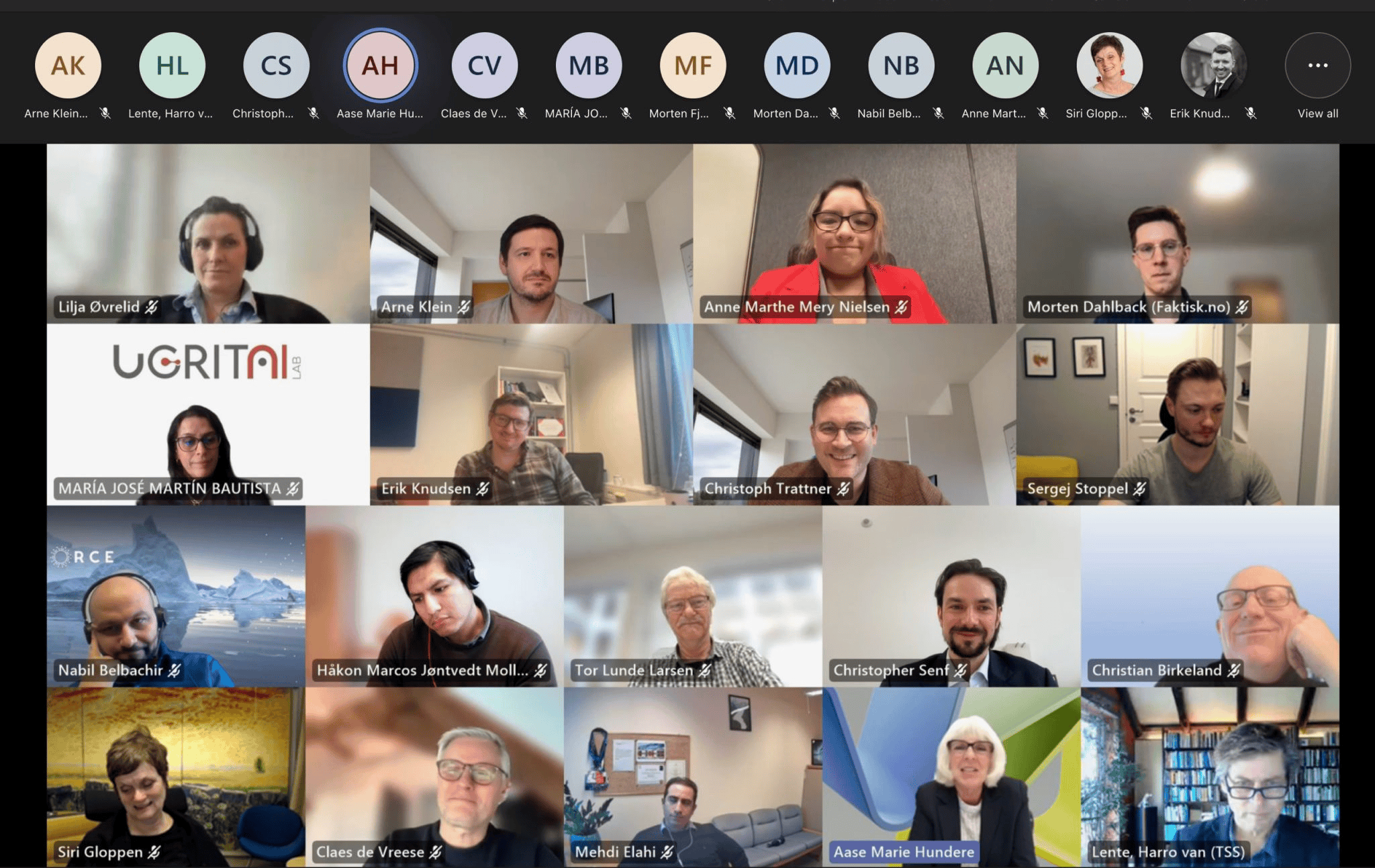
Between summer 2024 and spring 2025, the centre was assessed by the Research Council Norway.
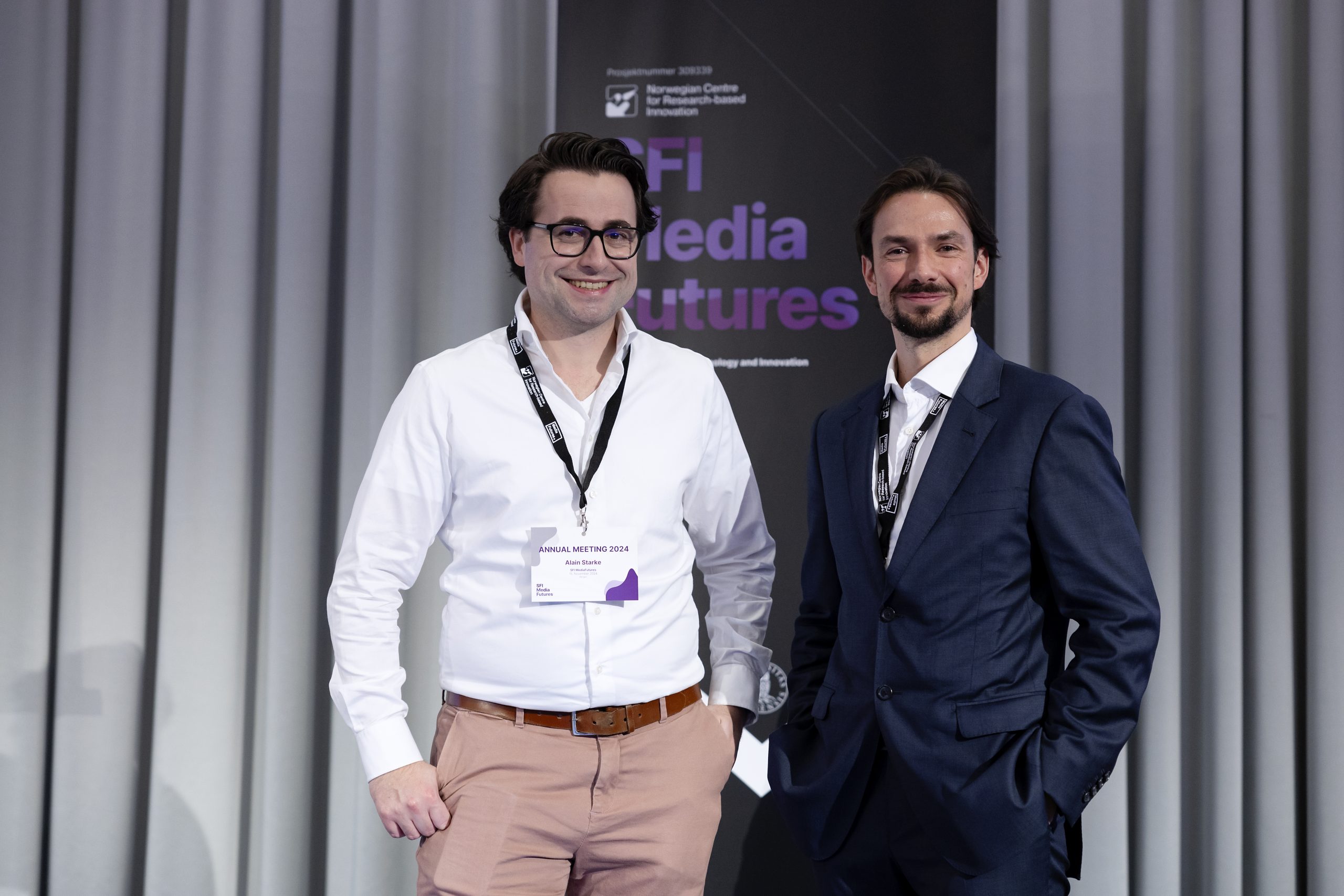
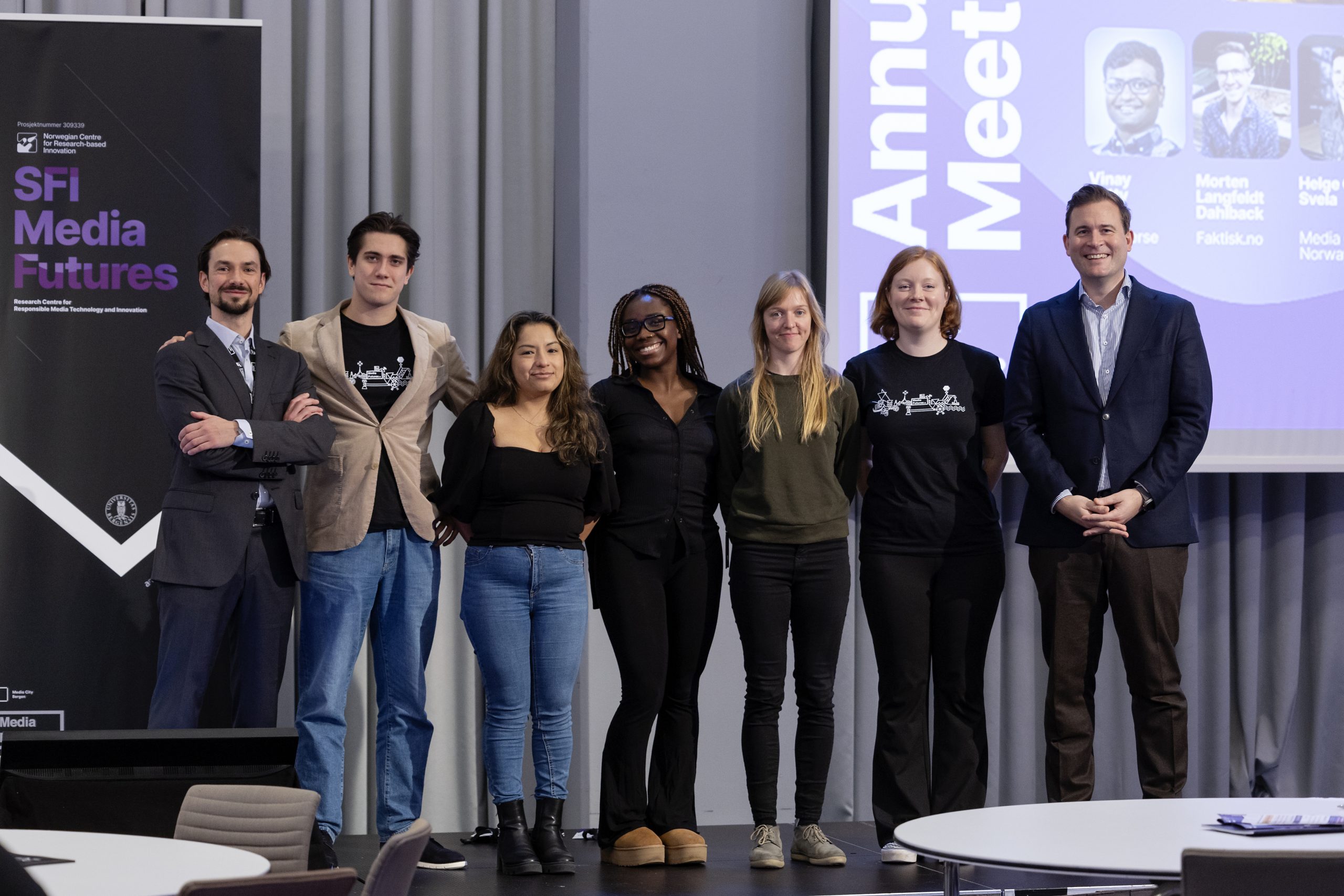
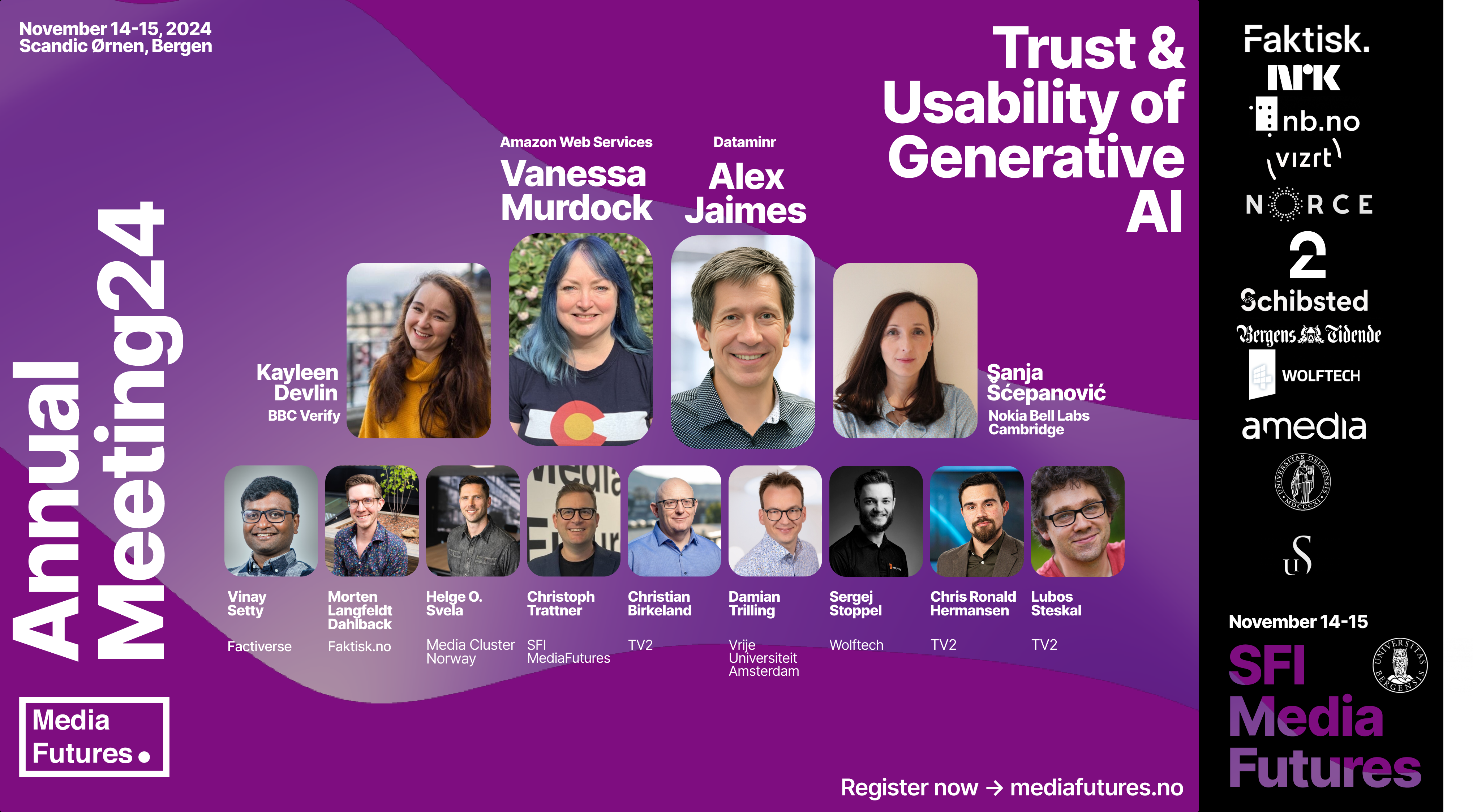 Largest Annual Meeting with more than 130 participants in our international flagship event with high profile speakers from speakers from Amazon Web Services, Dataminr, BBC Verify, Nokia Bell Labs Cambridge.
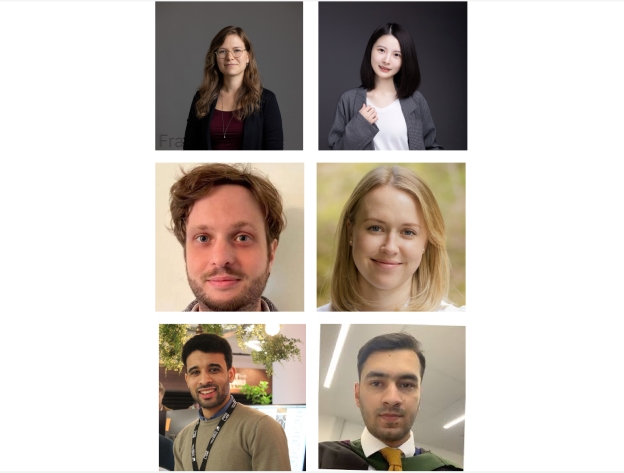 By mid-2025, six of our 13 PhD candidates are expected to successfully complete their PhD training and earn their doctoral degrees, fullfilling their four-year contractual promises.
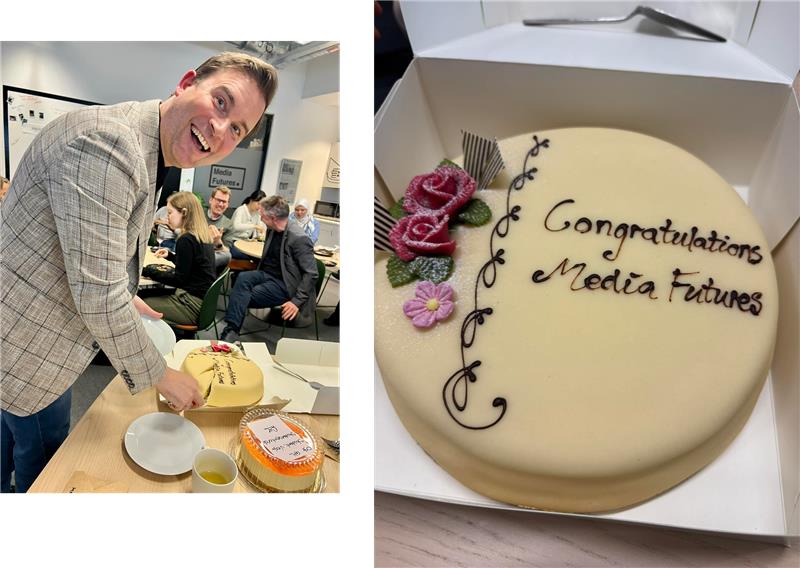 The reviewing committee expressed its admiration for the center’s achievements, stating that it is a strong and relevant center addressing a crucial topic. They highlighted the center’s significant advantage of being an early adopter of AI, its effective collaboration with local media industries to form a robust consortium, and its successful training of future researchers bridging industrial and academic perspectives.
 Our SFI Centre funding extends until 2028. However, SFI MediaFutures is well-positioned for a bright future beyond the original eight-year timeline. Stay tuned!
Some Words From The Centre Leader Professor Christoph Trattner
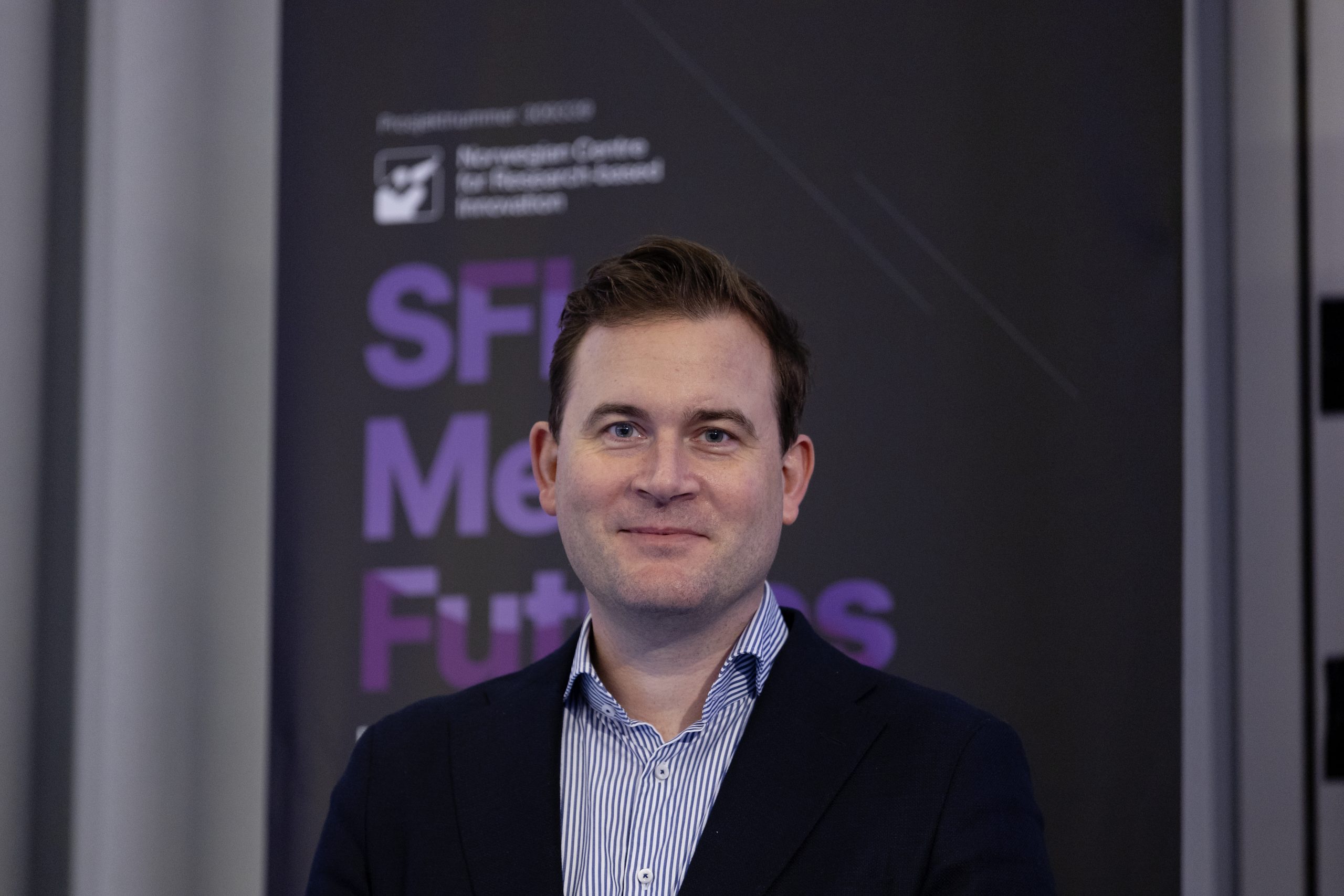
Annual Meeting – Konferanse 14/15 November
Time flies—2024 marks the midpoint of SFI MediaFutures’ journey. In just four years, our Research Centre has achieved remarkable milestones. Launched digitally in 2021 amid the constraints of the COVID-19 pandemic, we nevertheless quickly got projects off the ground, establishing five dedicated work packages. Each focuses on key research areas, including media experiences and personalization, recommender technology, AI-driven content production and analysis tools, new forms of media interaction and accessibility, and Norwegian language technology.
From the start, we have focused on building strong collaborative networks, bringing together industry experts, academics from Norway, and high-profile international research partners. Together, we have tackled global challenges through advanced research in responsible AI and media technology innovation. The years 2021 and 2022 were marked by expanding our team, moving into our beautiful office spaces at MediaCity Bergen, and welcoming PhD students and PostDocs, whose projects have been at the heart of our research-driven innovation. Since then, we have developed verification tools for fact-checkers and productivity tools for editors, built interactive platforms for new media experiences and engagement, studied media consumption behaviors, and enhanced video stream recommendation systems. Also, we have extensively annotated data to support the launch of national language models, always placing user-centered innovation at the core of our mission.
The rapid advancement of generative AI shaped 2023, with large language models like ChatGPT and Gemini dominating public discourse. However, these developments also intensified societal challenges—deepfakes, cheap fakes, AI-driven disinformation campaigns, and fraudulent applications raised global concerns. In response, we decided to ramp up our efforts to develop technological solutions to counter these threats. Through close collaborations with fact-checking and content verification organizations such as Faktisk.no and Factiverse, as well as our involvement in the international Project Reynir, we gained valuable insights into the role of C2PA in combating misinformation and the potential of AI for real-time fact-checking during political debates. These initiatives aim to empower editors navigating the global misinformation landscape while contributing to a safer, more responsible media ecosystem.
Reflecting on 2024, one of the standout moments was our Annual Meeting in November, where over 130 national and international participants came together. The event centered on trust and the usability of generative AI, featuring inspiring keynotes on responsible AI innovation from industry leaders such as Amazon and Dataminr. It also included thought-provoking presentations from the BBC and Nokia Bell Labs, along with an interdisciplinary panel debate on tackling disinformation with AI technology. Beyond the conference, 2024 was also a year of recognition for us—we received awards for our work on personalized news experiences and interactive storytelling, highlighting the exceptional quality of research at our Centre.
Another major achievement in 2024 was our successful completion of the NFR Midway Evaluation, a comprehensive assessment of our SFI Research Centre conducted by an international committee appointed by the Research Council of Norway. This evaluation, which extended into the Spring of 2025, required us to provide a detailed report on our four years of research and innovation outcomes. While the process was demanding and required the full attention of our team, the results were well worth it—our work received an extremely positive and encouraging assessment, further affirming the significant impact and progress we have made at MediaFutures.
As we move forward, we remain deeply committed to the core values of MediaFutures. We believe in collaboration and openness, impactful research, diversity and inclusion, integrity, and a shared curiosity that drives innovation—all aimed at shaping the future of responsible media technology. Guided by these principles, our team will stay focused over the next four years, striving for academic excellence and pushing forward with media AI innovations to empower editors and protect democracy in the digital public sphere—always in close partnership with our industry collaborators. We are confident that MediaFutures is well-positioned to seize new opportunities and has a bright future ahead, even beyond the original eight-year timeline. Stay tuned!
PEOPLE
Moments Captured in Time