
- This event has passed.
Annual Meeting 25: Our public flagship conference
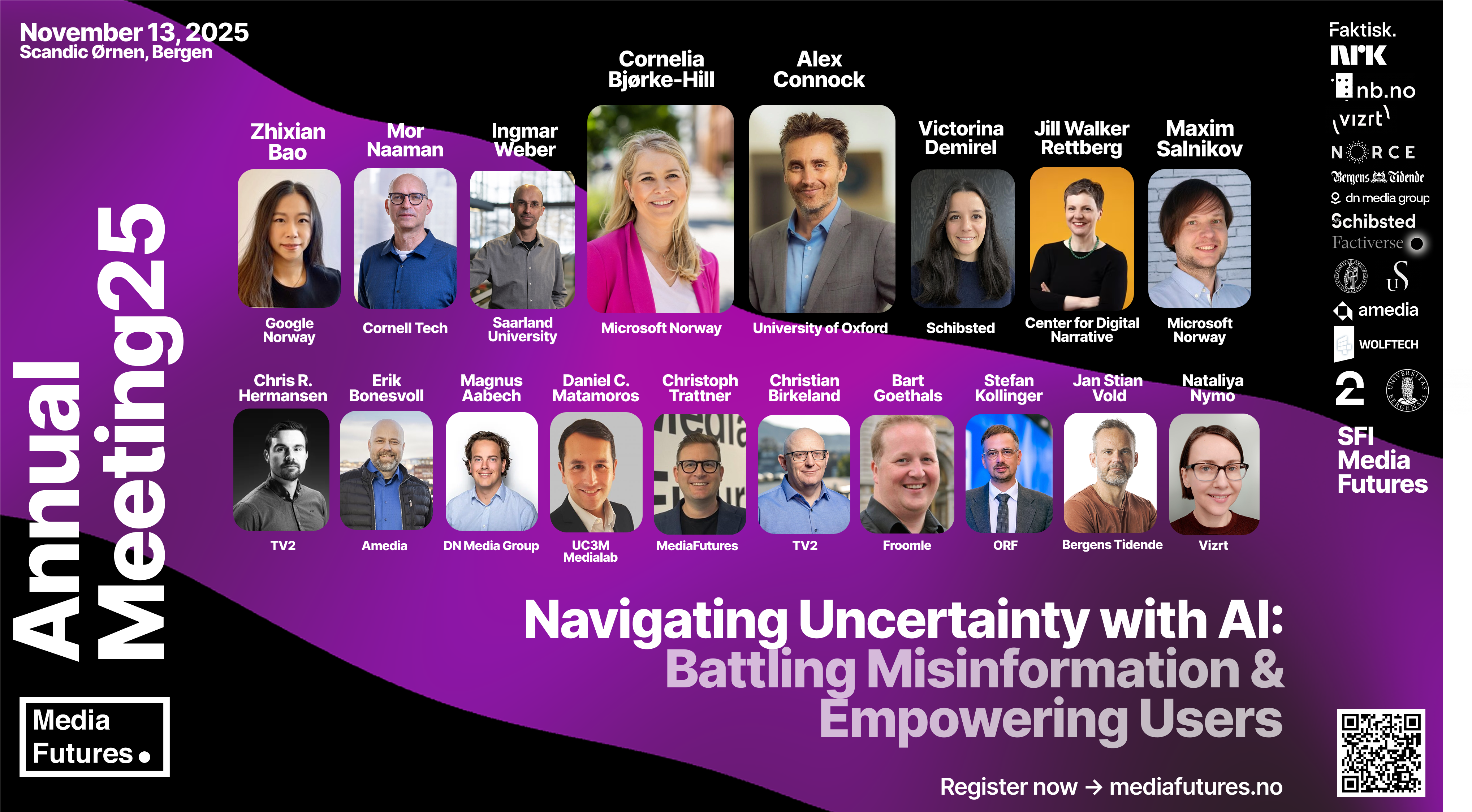
On November 13, we are inviting to our yearly international flagship conference on media technology and AI. This is a public event and this year’s focus is:
Navigating Uncertainty with AI: Battling Misinformation & Empowering Users
— and we’d love for you to join us. Please register below.
The day is open to everyone: media professionals, researchers, students, technologists, and anyone curious about where media tech and AI are headed. It is a great opportunity to network, learn, and explore what is happening locally, nationally and internationally.
You can expect a full day of demonstrations, posters, presentations and panel talks, all centred on what is hot in media technology and AI right now. From theoretical frameworks to hands-on research and practical tools, the event offers a broad look at current projects and ongoing developments in the field.
Try out demos we have built, exchange ideas, and expand your view on how media tech can be developed and made more responsible for the future.
The deadline to register has passed. We can put you on the waiting list if you send us an email with your name and affiliation to office@mediafutures.no.
KEYNOTE SPEAKERS
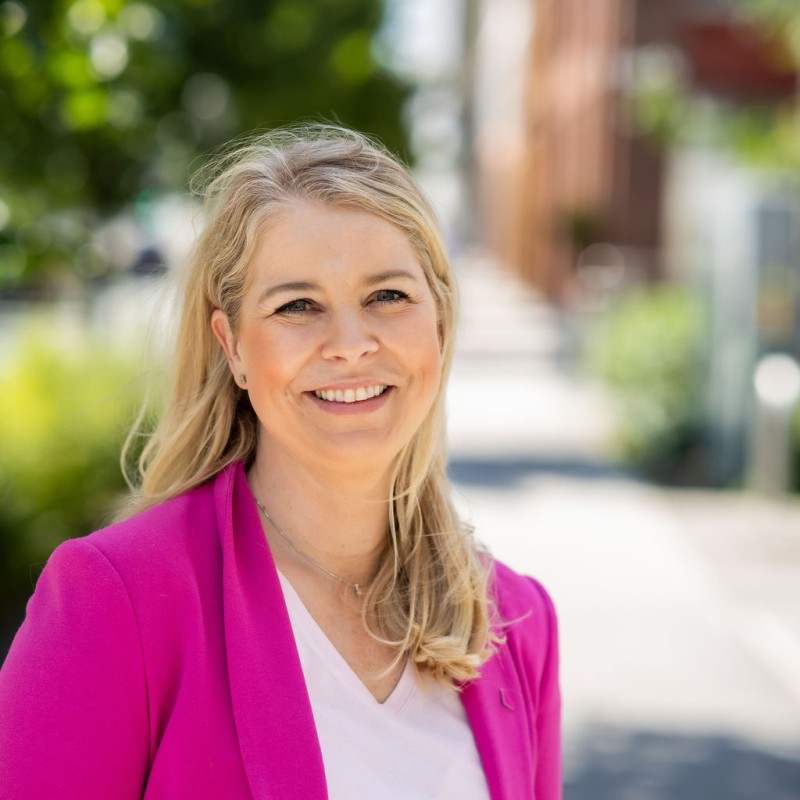
Cornelia Bjørke-Hill
Director Communication
Microsoft Norway
Bio
Cornelia Bjørke-Hill is Communications Lead at Microsoft Norway, driving strategic narratives that connect global innovation with local impact. With over a decade in communications, including eight years as comms director within the HR tech industry, and more than 20 years in broadcast journalism for leading Norwegian media, Cornelia brings deep expertise in storytelling and trust-building. At Microsoft, she focuses on making AI relevant for Norway by translating global technology trends into meaningful value creation.
Keynote Speech
Title: Reinventing Communication with AI
Abstract:
In her talk, “Reinventing Communications with AI,” she reveals how intelligent tools amplify creativity and impact—without losing the human touch. Through real-world examples from her own craft, Cornelia demonstrates how AI can transform manual tasks into a strategic advantage, helping organizations communicate with clarity, authenticity, and purpose while using AI to use the human brain where it delivers the most impact.
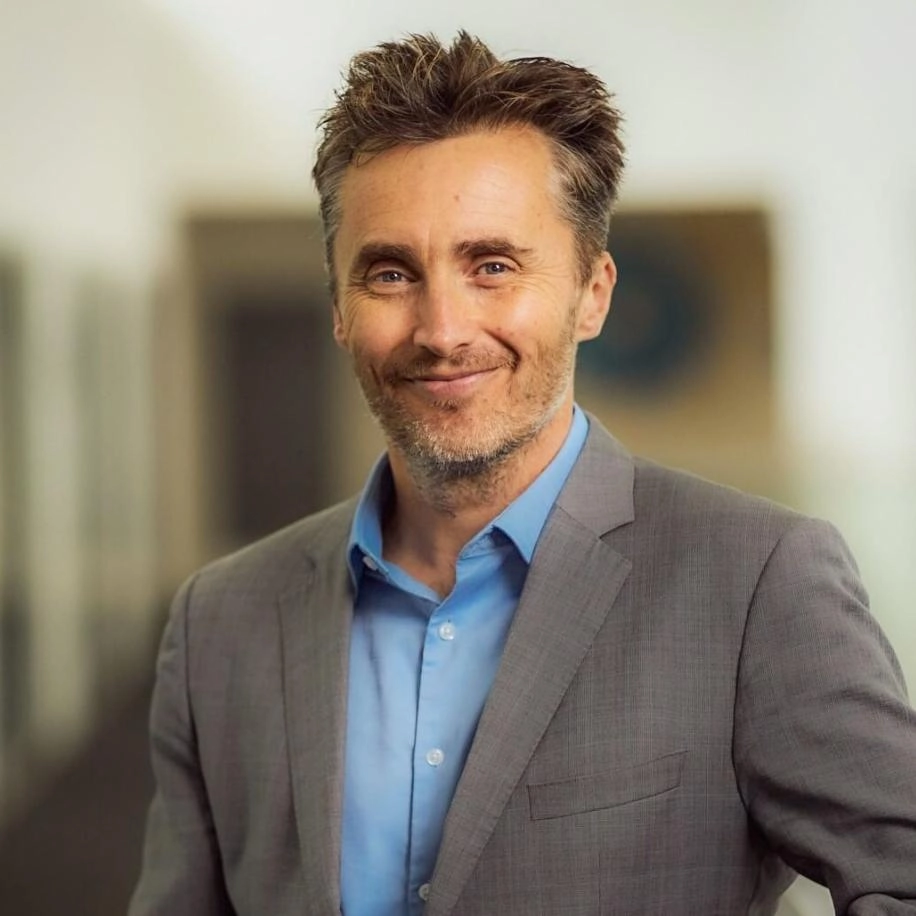
Alex Connock
Senior Fellow & Professor
University of Oxford
Bio
Dr Alex Connock is an academic in the media business and AI, who has written a trilogy of books spanning the contemporary media business – Media Management and Artificial Intelligence (2022) Media Management and Live Experience: Sports, Culture, Entertainment and Events (2024) and Entrepreneurship in Media and Entertainment (2025.)
He is also a leading international and industry speaker on the media business and how it is being changed by AI.
Academically, Alex is Senior Fellow at Oxford University’s Saïd Business School, teaching AI, Marketing and Media Business courses at BA, MBA and EMBA level. He co-launched and ran Oxford postgraduate diploma in Artificial Intelligence for Business from 2021-3. and is Lecturer at St Hugh’s College, Oxford in Management.
Alex is also Professor in Media and Artificial Intelligence at Exeter University, and Professor in Media Innovation and Sunderland University. He has a PhD in video optimisation for e-commerce and degrees from Oxford (PPE) Columbia (Journalism) and INSEAD (MBA).
Keynote Speech
Title: How can AI be your Superpower in 2026?
Abstract:
Everyone in media is now using AI to some extent. After years of holding back, many media companies are overtly all-in on it. Many others are still publicly reticent – whilst secretly going all-in behind the scenes. So three years after Chat GPT turned the world of content upside down, what are the particular, new AI strategies that will win for media producers and owners in 2026 ? Dr Alex Connock has specialised in the field at Oxford University since 2019 and wrote a globally successful book on it in 2022, republished from Türkiye to Korea. He will offer his latest thoughts on this fascinating and ever-changing subject. He will cover not only generative AI (words, images, sound and video) but also other areas of AI which sometimes get less coverage in media circles, but ought to: AI agents, Machine Learning techniques in research, recommendation algorithms and how to win at them, Intellectual Property and how to think about it, compliance, entrepreneurship, bias, geopolitics and AGI. In almost every case, Alex will explain how the received wisdom in the media industry is as wrong as it is right – and often both at the same time. And subsequent to that, in case anyone thinks AI is old hat, he’s also writing a new book on the Media and Quantum Computing, so he will offer some initial thoughts on that mind-expanding area as well: the real Black Mirror.
PROGRAM
| 08:00 | Registration opens |
| 08:55 | Event Intro & Housekeeping |
| 09:00 | Welcome Addresses: Lars Nyre (UiB), Synnøve Kristine Nepstad Bendixsen (UiB), Christian Birkeland (TV2), Christoph Trattner (MediaFutures) |
| Keynotes | |
| 09:15 | 1st Keynote: “Reinventing Communication with AI” (Cornelia Bjørke-Hill, Microsoft Norway) |
| 09:45 | Moderated Q&A by Mehdi Elahi (MediaFutures & UiB) |
| 10:00 | 2nd Keynote: “How can AI be your Superpower in 2026?” (Alex Connock, Oxford University) |
| 10:30 | Moderated Q&A by Alain Starke (MediaFutures & UvA) |
| 10:45 | Conference Picture & Coffee Break |
| Session 1: Reimagining Media: Industry at the AI Crossroads | |
| 11:05 | Talk One: “Multimodal AI Agents in the Media Industry” (Zhixian Bao, Google Norway) |
| 11:20 | Talk Two: “AI Agents in Action: Transforming Work in Media & Entertainment” (Maxim Salnikov, Microsoft Norway) |
| 11:35 | Talk Three: “At the Crossroads of AI and Journalism: Competing, Collaborating, and Co-Creating the Future of Media” (Victorina Demirel, Schibsted) |
| 11:50 | Moderated Q&A by Andreas Lothe Opdahl (MediaFutures & UiB) |
| 12:05 | Lunch Break |
| Session 2: Computing for Society: Modeling Trust & Interactions | |
| 13:15 | Talk One: “Integrating AI into Platform Writing Tasks? Not So Fast” (Mor Naaman, Cornell Tech) |
| 13:30 | Talk Two: “AI-generated stories: the nostalgia of large language models” (Jill Walker Rettberg, Center for Digital Narrative) |
| 13:45 | Talk Three: “Slow AI: When the Journey is the Destination” (Ingmar Weber, University of Saarland) |
| 14:00 | Moderated Q&A by Erik Knudsen (MediaFutures & UiB) |
| 14:15 | Coffee & Cake Break |
| Session 3: Building Trust: Personalisation, Engagement & Misinformation | |
| 14:35 | Talk One: “Beyond facts: Messaging strategies to counter health misinformation” (Daniel Catalán Matamoros, UC3M MediaLab) |
| 14:50 | Talk Two: “Conversational and Understandable News” (Bart Goethals, Froomle, University of Antwerp) |
| 15:05 | Talk Three: “AI DAY at ORF; Where Technology Meets Content” (Stefan Kollinger, ORF) |
| 15:20 | Moderated Q&A by Lilja Øvrelid (MediaFutures & UiO) |
| 15:35 | Coffee Break |
| Panel Session: Inside the Newsroom: Norwegian Media’s AI Journey | |
| 15:55 | Company Pitches: Magnus Aabech (DN Group), Chris R. Hermansen (TV2), Jan Stian Vold (Bergens Tidende), Erik Bonesvoll (Amedia), Victorina Demirel (Schibsted) |
| 16:10 | Moderated Debate by Morten Langfeldt Dahlback (Faktisk.no) |
| 16:40 | Refreshment Break |
| Demo & Poster Session | |
| 16:55 | MediaFutures’ Gaze-Tracking Project: Yuki Onishi (MediaFutures), Nataliya Nymo (VIZRT) & Snorre Alvsvåg (TV2) |
| 17:05 | MediaFutures’ AI Video Editor Project: Adane Tarekegn (MediaFutures) & Lubos Steskal (TV2) |
| 17:10 | Poster Pitches |
| 17:30 | Interactive Demos & Networking |
| 18:30 | Poster Awards |
| 19:00 | Conference Dinner |
The Program is subject to change.
CONFERENCE DINNER
Location: Roast Restaurant, Scandic Ørnen, top floor
| 19:00 | Welcome Reception |
| 19:30 | First Course & Director’s Speech |
| 20:00 | Second Course & Show with Bergen Improteater |
| 20:30 | Third Course & Live music with Raa Duo |
| 21:00 | Party with DJDottir |
SPEAKERS

Maxim Salnikov
Applied AI Engineer
Microsoft Norway
Bio
Maxim Salnikov is a tech and cloud community enthusiast based in Oslo. With over two decades of experience as a web developer, he shares his extensive knowledge of the web platform, cloud computing, and AI by speaking at and providing training for developer events worldwide. By day, Maxim plays a crucial role in supporting the development of cloud and AI solutions within European companies, serving as the Senior Solution Engineer at Microsoft focusing on the AI-native developer tools & platforms. During evenings, he can be found running events for Norway’s largest web and cloud development communities. Maxim is passionate about exploring and experimenting with Generative AI possibilities, including AI-assisted development.
Talk Abstract
Title: AI Agents in Action: Transforming Work in Media & Entertainment
Abstract:
As the media and entertainment industry faces unprecedented change, organizations are turning to AI agents to boost productivity, address workforce capacity gaps, and unlock new value. This session explores how AI agents are reshaping roles, workflows, and leadership.

Daniel Catalán Matamoros
Professor & Director
UC3M MediaLab
Bio
Daniel Catalán is a full professor of communication with nearly 20 years of experience in research and field work. He has held positions in major international organisations, including WHO, ECDC, and UNHCR, and currently directs the UC3M MediaLab. Author of over 200 publications with more than 4,000 citations (h-index = 34), he has led and participated in numerous national and international research projects. His work focuses on media effects, health misinformation, risk communication, and public understanding of digital technologies. In October 2025, he chaired the European Congress on Disinformation and Fact-Checking, which gathered more than 450 delegates from 58 countries.
Talk Abstract
Title: Beyond facts: Messaging strategies to counter health misinformation
Abstract:
Facts often fail to change perceptions or beliefs based on health misinformation. Our experimental research explores alternative messaging strategie, such as narrative storytelling and humour, to improve engagement, build trust, and foster dialogue with skeptical audiences. We examine how different ways of framing health messages affect credibility perceptions, emotional response, and behavioural intentions. Our results show that messages that feel personal and emotionally engaging make people more open and less defensive, and they work better than messages based only on data and statistics. The presentation will also share practical lessons for communicators and health organisations on how to create messages that are persuasive and trustworthy.
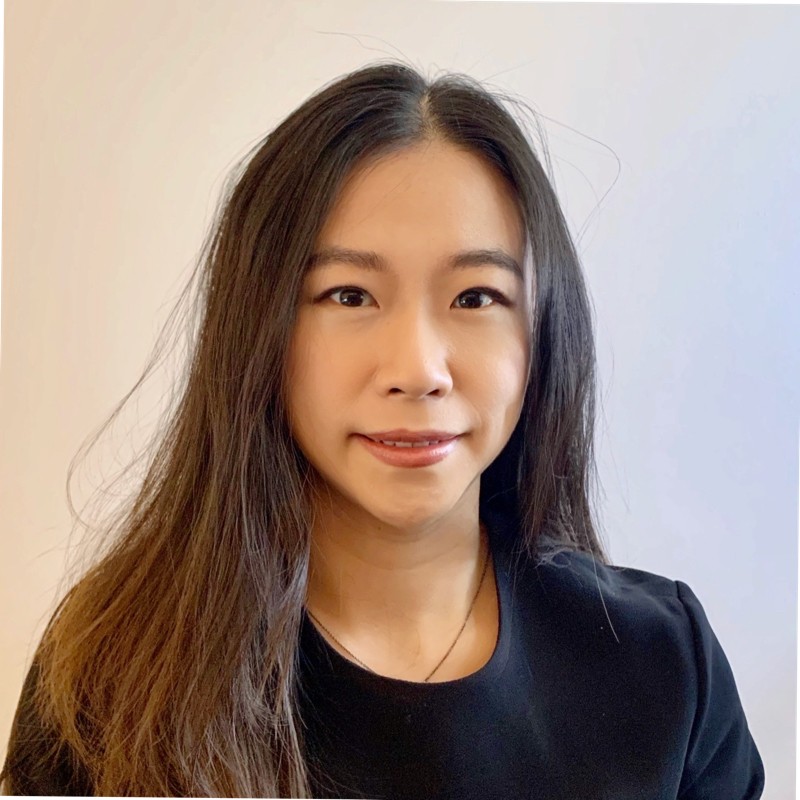
Zhixian Bao
AI Specialist
Google Norway
Bio
Zhixian Bao works as an AI/ML specialist covering EMEA North at Google Cloud. Working in industry for 10 years, she is driven by a passion for using technology to empower both individuals and organizations to solve complex business challenges and create values.
Talk Abstract
Title: Multimodal AI Agents in the Media Industry
Abstract:
The session will explore the emerging role of Multimodality AI Agents, marking a critical shift in artificial intelligence from efficiency tools to drivers of innovation. The industry anticipates a transition where AI agents move beyond simple output generation to autonomous action. These advanced systems will leverage deep contextual understanding, real-time information access, and diverse modalities. The future trajectory of this technology points toward sophisticated multi-agent ecosystems capable of complex reasoning and tool utilization.

Bart Goethals
Computer Science Prof. & CEO at Froomle
University of Antwerp
Bio
Bart Goethals is full professor at the Department of Computer Science of the University of Antwerp in Belgium where he leads the Adrem Data Lab, which performs fundamental research on artificial intelligence and data science.
He is founder and CEO of Froomle, a university spin-off company that provides a Recommender Systems Platform to the News and Media industry.
His primary research interests are the study of data mining and recommender systems. He received several awards for his theoretical studies on frequent itemset mining. He was general chair of IEEE ICDM 2012 and program chair of ECML PKDD 2008, and SIAM DM 2010 and will be program chair of ACM RecSys 2026.
He has served as general chair of the ECML PKDD Steering Committee, action editor of the Data Mining and Knowledge Discovery journal, and associate editor of the ACM Transactions on Recommender Systems, IEEE Transactions of Knowledge and Data Engineering, the Knowledge and Information Systems journal, and Recommender Systems Section Editor of Frontiers on Big Data, and he was Editor-in-Chief of the ACM SIGKDD Explorations newsletter.
Talk Abstract
Title: Conversational and Understandable News
Abstract:
In this talk, I present Froomle Voice, a personalised conversational news assistant that delivers news tailored to individual interests, and our recent work on making recommendations understandable — to increase transparency, user trust, and editorial oversight. The presentation will demonstrate these technologies and discuss their implications for responsible AI in the media sector.

Ingmar Weber
Alexander von Humboldt Professor
Saarland University
Bio
Ingmar Weber is an Alexander von Humboldt Professor for AI and Chair for Societal Computing at Saarland University. His work looks at how data and AI can be used to understand and support social development. Previously, he held positions at the Qatar Computing Research Institute, Yahoo Research Barcelona, and the École Polytechnique Fédérale de Lausanne (EPFL). He is among the 2% of most cited researchers and is currently leading a EUR 29M initiative to use novel data sources to measure societal phenomena and to support timely decision making.
Talk Abstract
Title: Slow AI: When the Journey is the Destination
Abstract: A common software design mantra is “don’t make the user think”. Using software should be effortless and help get the user’s job done as quickly as possible. While this is often desirable, this efficiency-first approach can be detrimental for democracies where engagement with societal discussions, rather than just ticking a box should be the goal. In our group, we explore how “slow AI” could be used to make people think more, not less. Examples range from using LLMs for informing voters during elections, to a debate-yourself setup to promote tolerance.
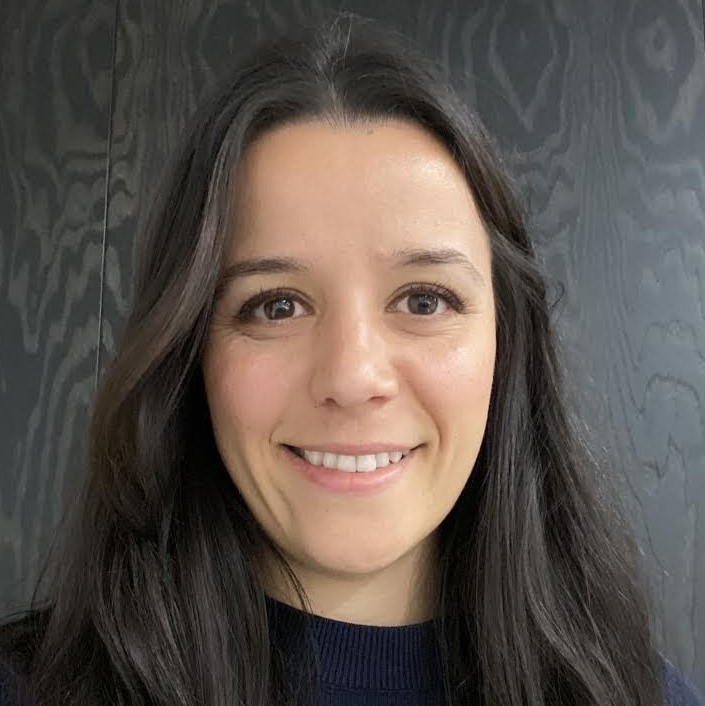
Victorina Demirel
Data & AI Activation and Governance Lead
Schibsted New Media
Bio
Victorina works at the intersection of data, AI, and strategy at Schibsted, one of the Nordics’ leading media groups. She focuses on how media can harness AI responsibly through strong governance and strategic collaboration, ensuring user trust and the sustainability of independent journalism. Victorina’s work centers on redefining how trusted media engage audiences and navigate the uncertainty that characterizes today’s rapidly evolving information landscape.
Talk Abstract
Title: At the Crossroads of AI and Journalism: Competing, Collaborating, and Co-Creating the Future of Media
Abstract:
As generative AI reshapes how information is created, distributed, and consumed, media companies stand at a defining crossroads. On one side, big tech platforms—OpenAI, Google, and others—are rapidly changing audience behavior and diverting traffic. On the other, they represent potential allies in building frameworks that safeguard independent journalism and empower users with trustworthy information.
In this talk, I will explore how we, as a modern media company, navigate this tension between competition and collaboration. How can we shape the rules of engagement to ensure media’s continued relevance and resilience in the age of AI? And how do we reimagine our role—not just as content providers, but as active co-creators of an information ecosystem where truth, trust, and technology can coexist?
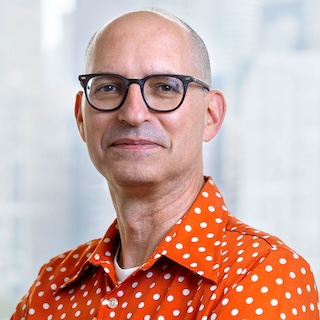
Mor Naaman
Professor & Associate Dean
Cornell Tech
Bio
I am the Don and Mibs Follett professor of Information Science at Cornell Tech where I lead the Social Technologies research group and serve as the associate dean for faculty affairs. Previously, I was an assistant professor at Rutgers SC&I, led a research team at Yahoo! Research Berkeley, and got a PhD from Stanford. Before all that, I played professional basketball in Israel. I sometimes consult or even co-found startups.
My research focus is on topics related to Technology, Media and Democracy, and in particular the trustworthiness of our information ecosystem. We use a wide range of tools—from machine learning, to computational social science, to online experiments, to qualitative methods—to understand and try to address these challenges, with an increasing focus on the impact of AI-mediated communication. Our sponsors over the years included, among others, Yahoo, Google, Facebook and the National Science Foundation.
Talk Abstract
Title: Integrating AI into Platform Writing Tasks? Not So Fast
Abstract:
Online platforms increasingly integrate LLM-based writing tools, raising questions about GenAI’s impact on individuals’ content production and outcomes. In this project, we had a unique opportunity to measure the impact of such tool introduced by Change.org, an online petition platform. The results provide causal evidence that in-platform AI writing tools can profoundly reshape online content, but the tools practical utility for improving desired outcomes may be less beneficial than anticipated, and they introduce unintended consequences like content homogenization. This finding adds to a growing body of work showing the potential impact of AI-mediation communication on media.
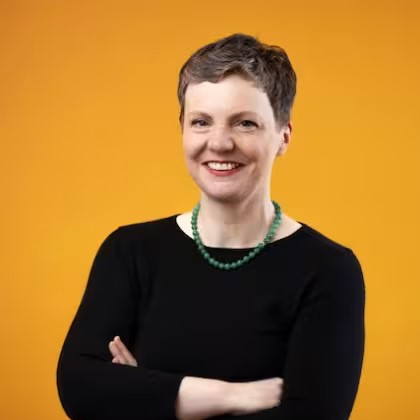
Jill Walker Rettberg
Professor & Co-Director
Center for Digital Narrative
Bio
Jill Walker Rettberg is Professor of Digital Culture and Co-Director of the Center for Digital Narrative at the University of Bergen. She leads the project AI STORIES: Narrative Archetypes of Artificial Intelligence, which is funded by an ERC Advanced Grant from the European Research Council. Jill’s books include Machine Vision: How Algorithms are Changing the Way We See the World (Polity 2023) and Seeing Ourselves Through Technology: How We Use Selfies, Blogs and Wearable Devices to See and Shape Ourselves (2014). She is currently a member of an expert committee for Teknologirådet’s report on artificial intimacy, and is a member of the Norwegian Academy of Science and Letters and of the Norwegian Academy of Technological Sciences.
Talk Abstract
Title: AI-generated stories: the nostalgia of large language models
Abstract: What are the dominant narratives of generative AI, and what is at stake in their circulation? The AI STORIES project starts from the hypothesis that LLMs replicate and perhaps increase certain narrative patterns, which could mean that we lose diversity in storytelling. Research so far suggests this is true – the thousands of AI-generated stories we have analysed in the AI STORIES project emphasise stability and nostalgia, telling remarkably similar stories of threatened communities saved by reconnecting with heritage. LLMs also excel at simile and at affirmation, generating additive texts – more and more and more – rather than critical analysis. What does this mean for media, journalism and research?
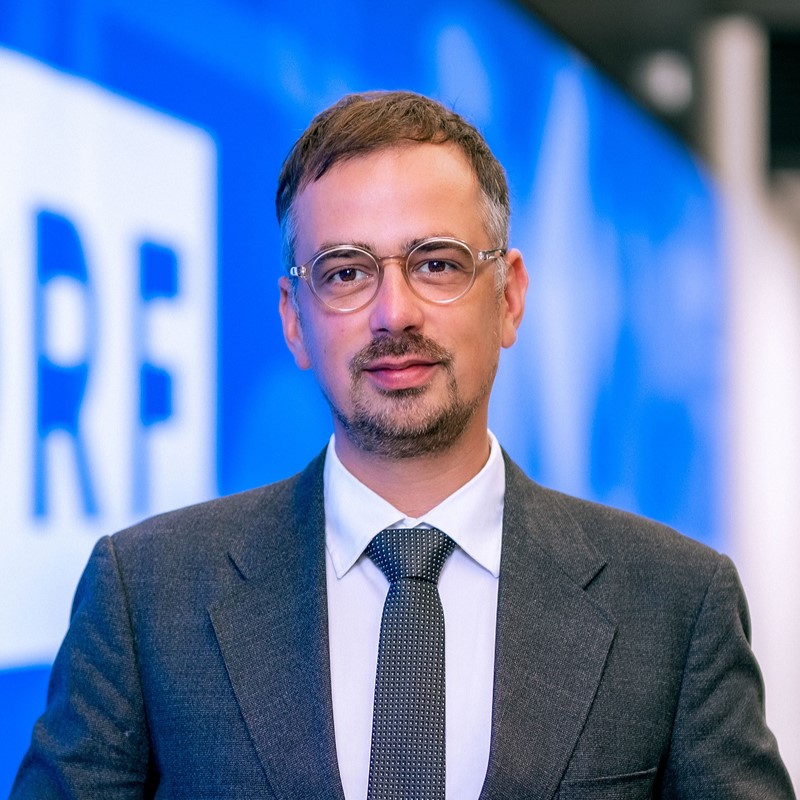
Stefan Kollinger
Chief Innovation Officer
ORF
Bio
Stefan Kollinger is an experienced professional in the field of media technology and digitalization, currently serving as the Chief Innovation Officer at ORF. In this role Stefan focuses on leading strategic initiatives from AI to Smart Producing to promote technological innovations and integrate digital solutions into the company’s existing operational processes. His work involves close collaboration with various departments to ensure that ORF remains at the forefront of digital transformation and efficiently uses the latest technologies to enhance program quality and reach.
Talk Abstract
Title: AI DAY at ORF; Where Technology Meets Content
Abstract:
At the Media Futures event, Stefan Kollinger will present strategic action fields and emerging opportunities for integrating artificial intelligence into content creation, production, and distribution at ORF. His talk explores how AI can drive innovation, enhance storytelling, and open new pathways for public media in a rapidly evolving digital ecosystem where technology and creativity meet to shape the future.
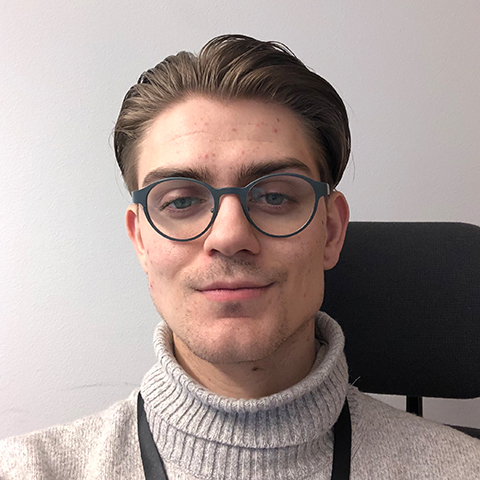
Snorre Alvsvåg
Backend Developer
TV2

Lubos Steskal
Strategic AI Advisor
TV2
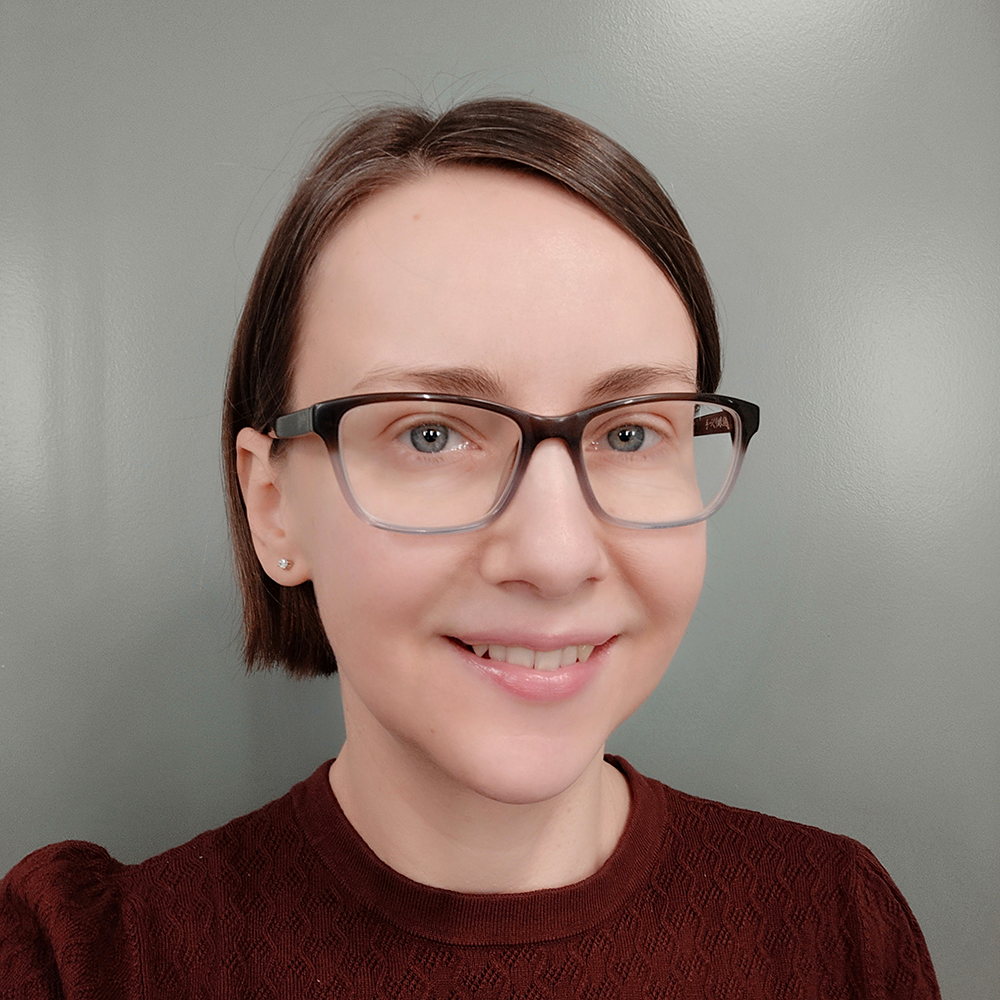
Nataliya Nymo
Senior UX Designer
Vizrt
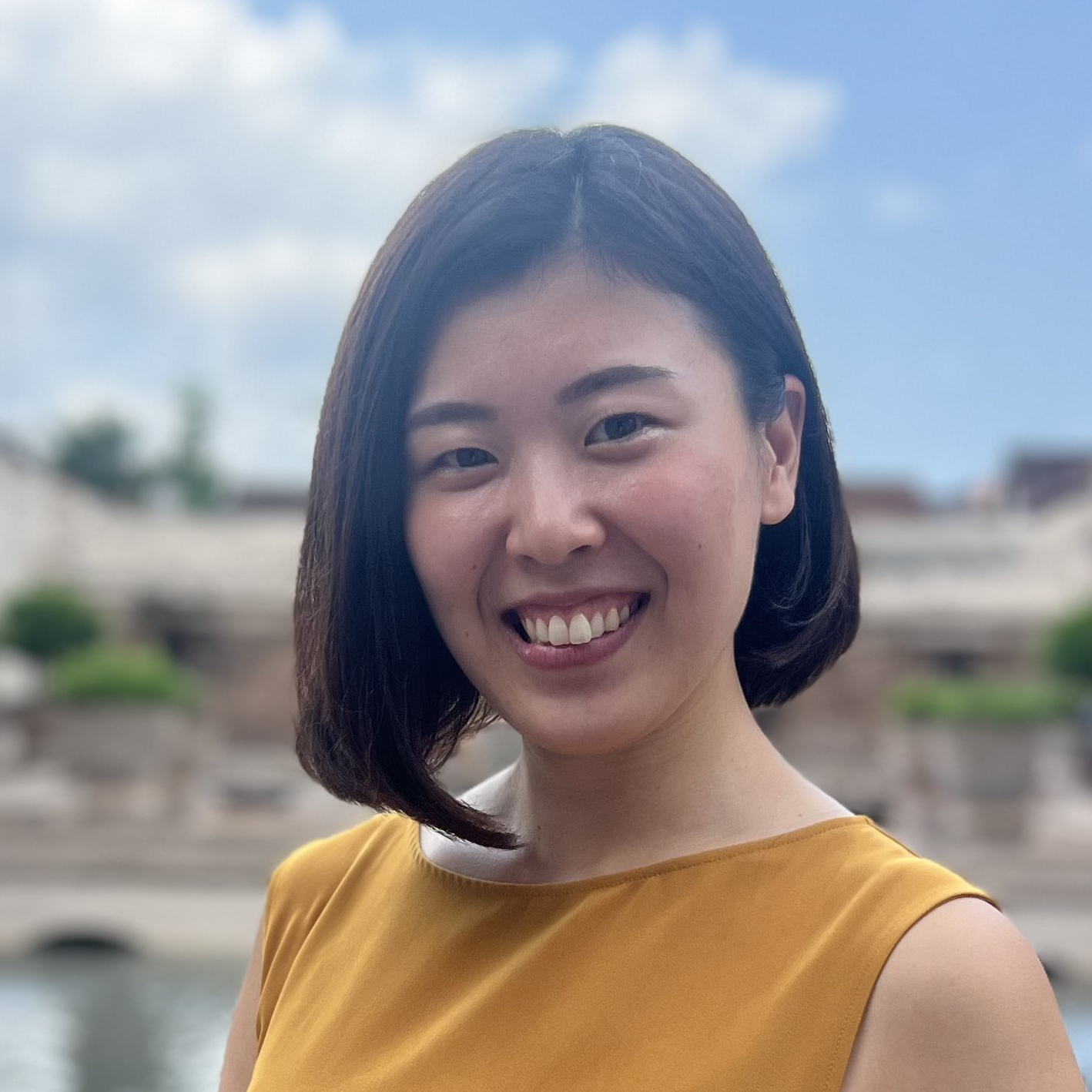
Yuki Onishi
Researcher
MediaFutures
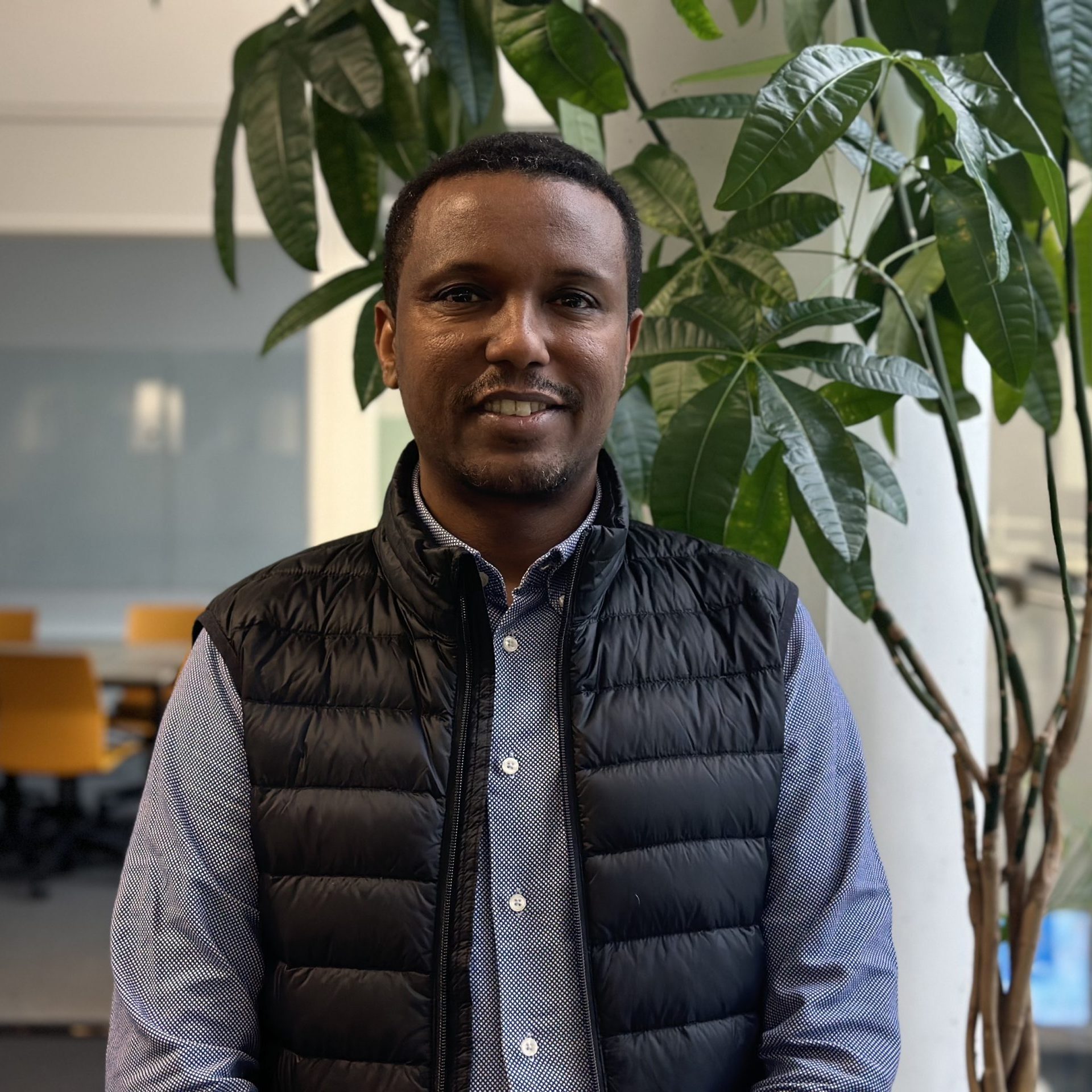
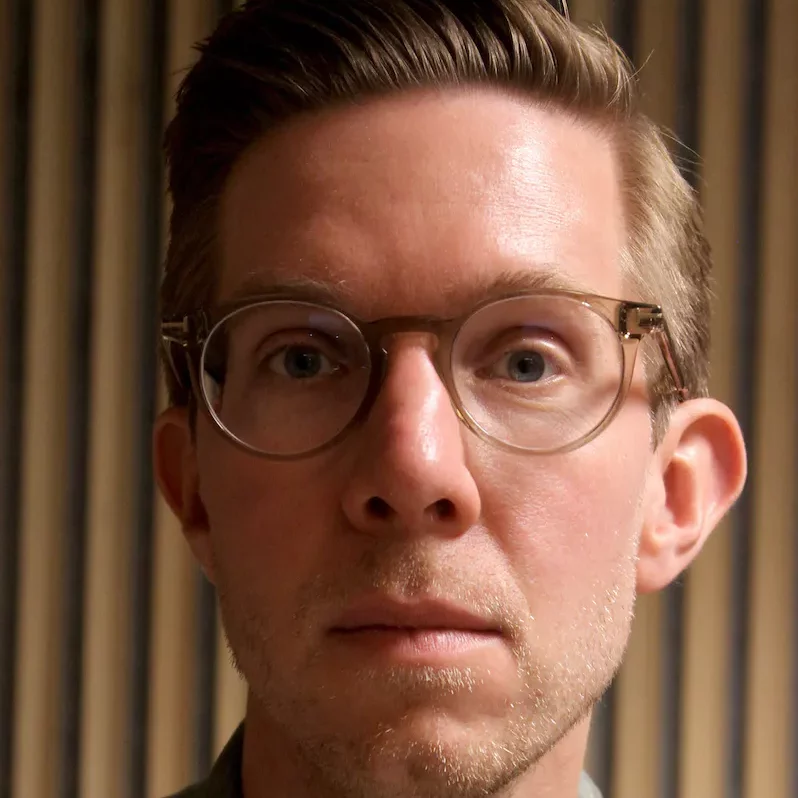
Adane Tarekegn
Researcher
MediaFutures
Morten Langfeldt Dahlback
Head of Innovation & Tech
Faktisk.no
PANEL SESSION

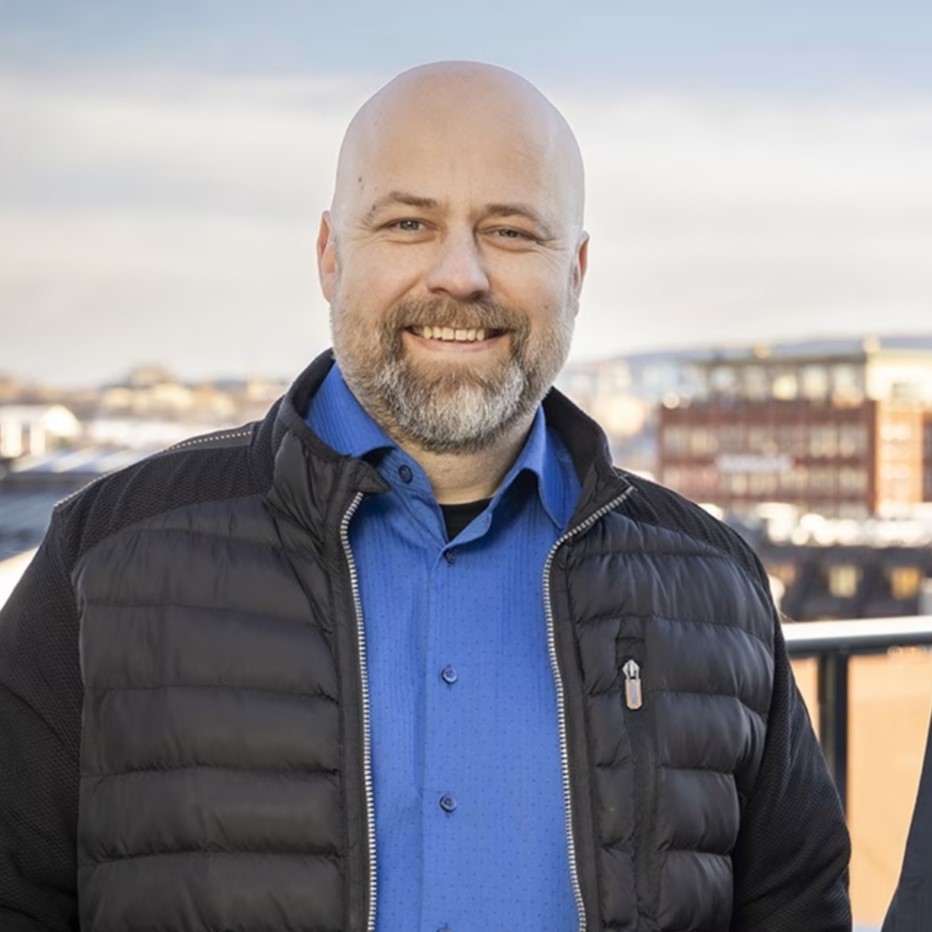
Jan Stian Vold
Utviklingsredaktør
Bergens Tidende
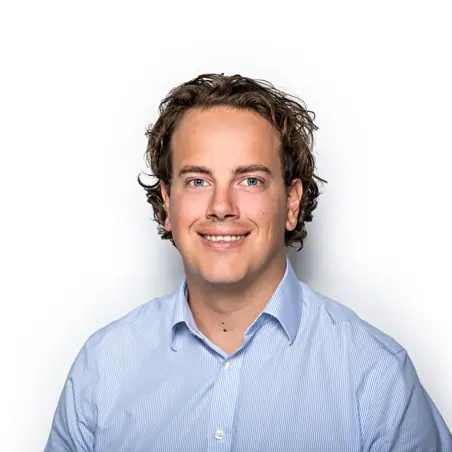
Erik Bonesvoll
Utviklingsredaktør
Amedia
Magnus Aabech
Utviklingsredaktør
DN Media Group
Chris Ronald Hermansen
Head of Editorial AI
TV2
Victorina Demirel
Data & AI Activation and Governance Lead
Schibsted New Media
WELCOMING NOTE
Lars Nyre
Professor & Deputy Leader
Infomedia, UiB
Christian Birkeland
Chief Digital Officer
TV2
Christoph Trattner
Professor & Director
MediaFutures
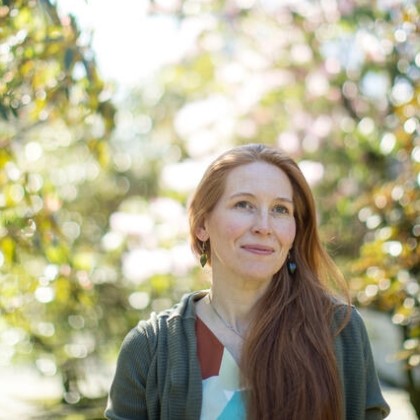
Synnøve Kristine Nepstad Bendixsen
Dean SV-Faculty
UiB
MODERATION
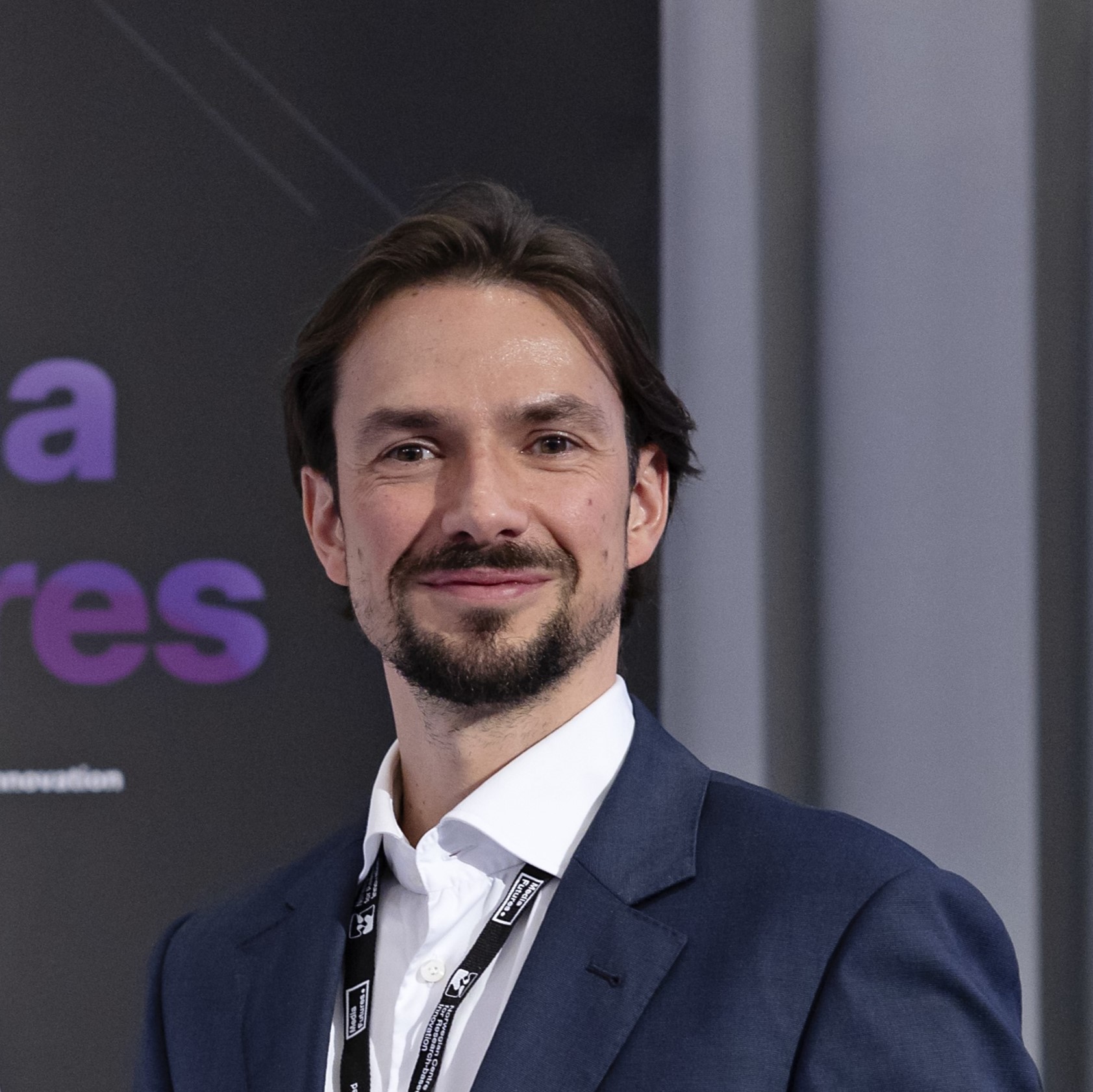
Christopher Senf
Innovation Coordinator
MediaFutures & UiB
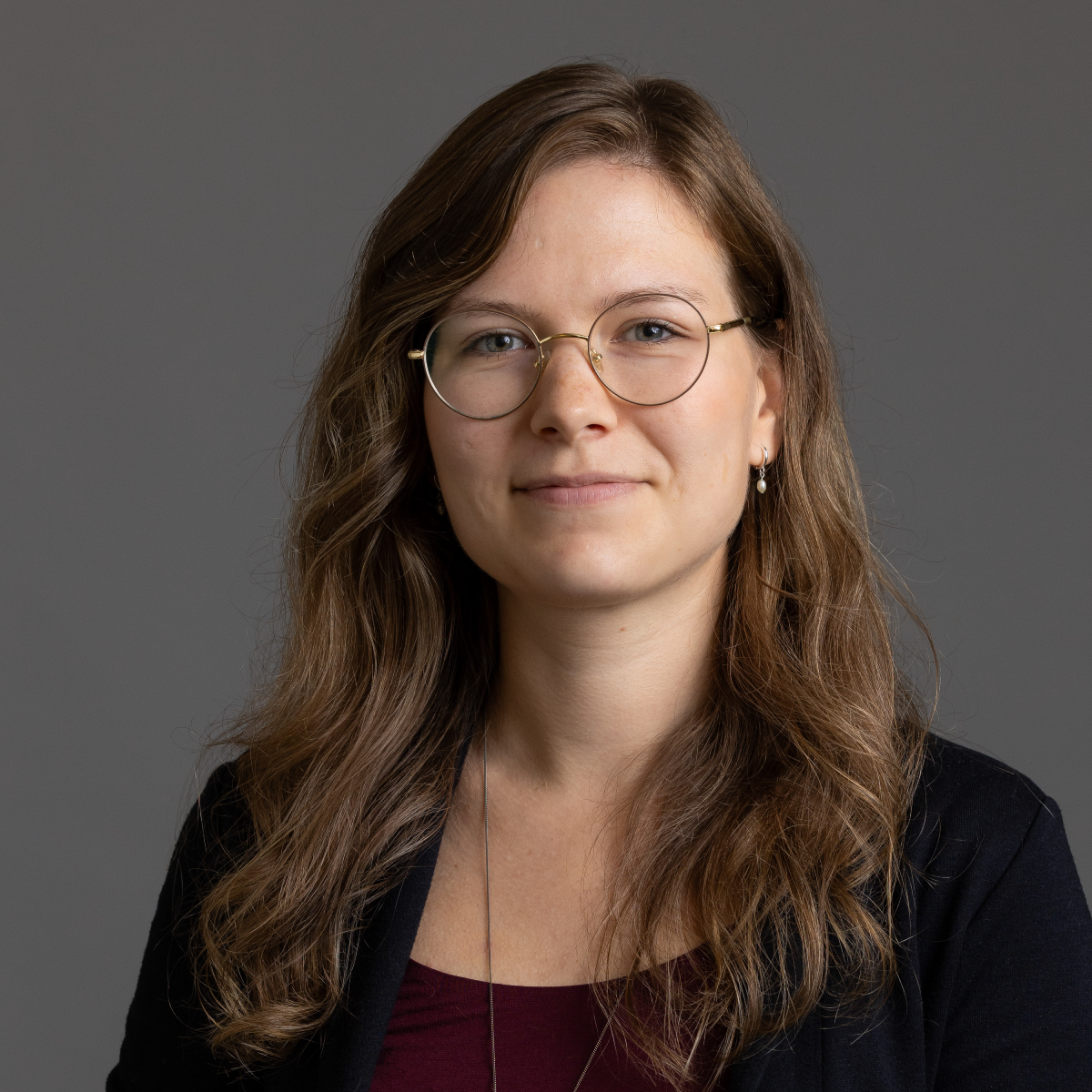
Anastasiia Klimashevskaia
Researcher
MediaFutures & UiB
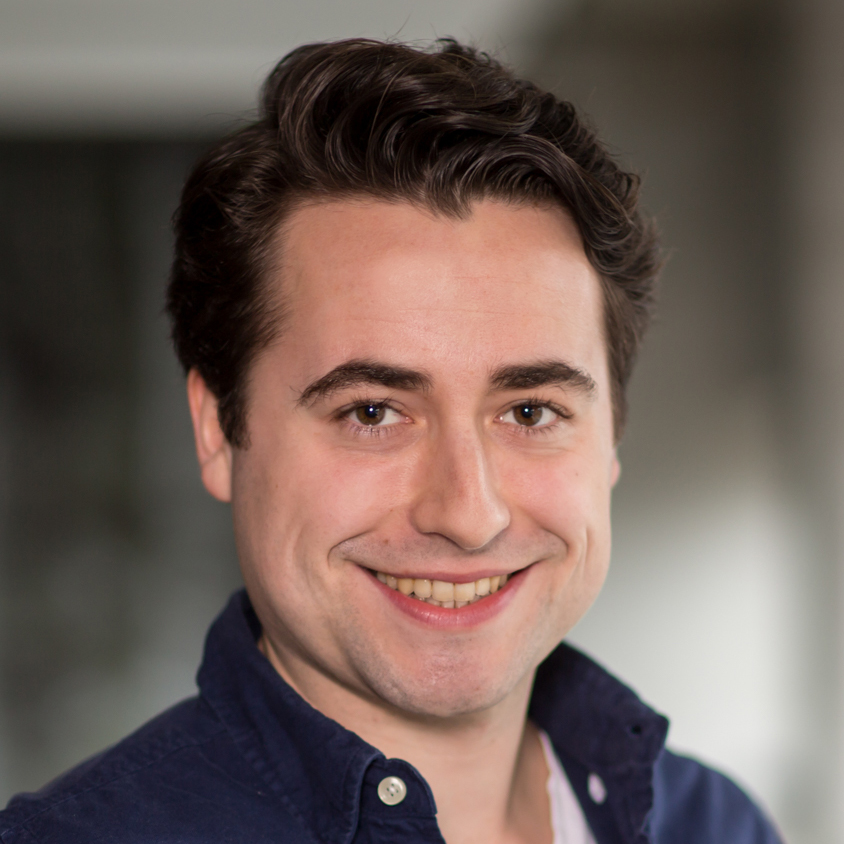
Alain Starke
Assistant Professor
MediaFutures & UvA
DEMOS
| Name | Title |
| Professor Andreas L. Opdahl & Øyvind Skjervheim | Demokratibasen: Data-Driven Democracy in Action |
| Dr. Yuki Onishi | Gaze Tracking Project with TV2 and Vizrt |
| Tobias Jovall Wessel | Verified Satirical Reframing: AI Reframing with Fact-Checking as a Tool for Next-Generation Journalism |
| Vegard Erlend Bolstad |
Interactive Podcast Project: SuperPods |
POSTERS
| Tobias Jovall Wessel | Using Large Language Models to ‘Lighten the Mood’: Satirically Reframing News Recommendations to Reduce News Avoidance |
| Mapalo Kayeyi | Still More of The Same: A Longitudinal Evaluation on Ceiling Effects in a New Recommender System |
| Halvor Nedrebø | Enriching User Recommendation Experience Through Incorporation of Sequential Recommendation |
| Olav Gangenes | Analysis of User Interactions with a Personalized News Recommender System |
| Marlene Holzleitner, Dietmar Jannach | Controlled Personalization in Legacy Media Online Services: A Case Study in News Recommendation |
| Adane Tarekegn | Automated News Clip Generation via Robust Video Summarization |
| Peter Røysland Aarnes | Numerical Perturbations to Probe Language Models for Veracity Prediction |
| Bilal Mahmood | LLM-Powered Tool to Support Editors & Journalists Select Related News Articles |
| Vegard Steinhaug Brevik | A Hybrid Approach to Mitigate Popularity Bias in Recommender Systems |
| Jeng Jia-Hua | The role of GPT as an adaptive technology in climate change journalism |
| Yuki Onishi | Designing User-centric TV Production Control Rooms: from Eye-gaze to Understanding Decision-making. |
| Vegard Erlend Bolstad | SuperPods |
| Khadiga Seddik | Can style personalization, rather than political personalization, increase engagement with diverse political news? |
| Jiajing Wan | Personalizing News Headlines with Retrieval-Augmented Generation |
| Yelyzaveta Lysova | When AI Becomes a Chef: Leveraging LLMs to Generate and Promote Healthy Recipes on Online News Platforms |
| Svenja Lys Forstner | Reducing selective news avoidance of young audiences with personalized content adaptations and explanations |
LOCATION
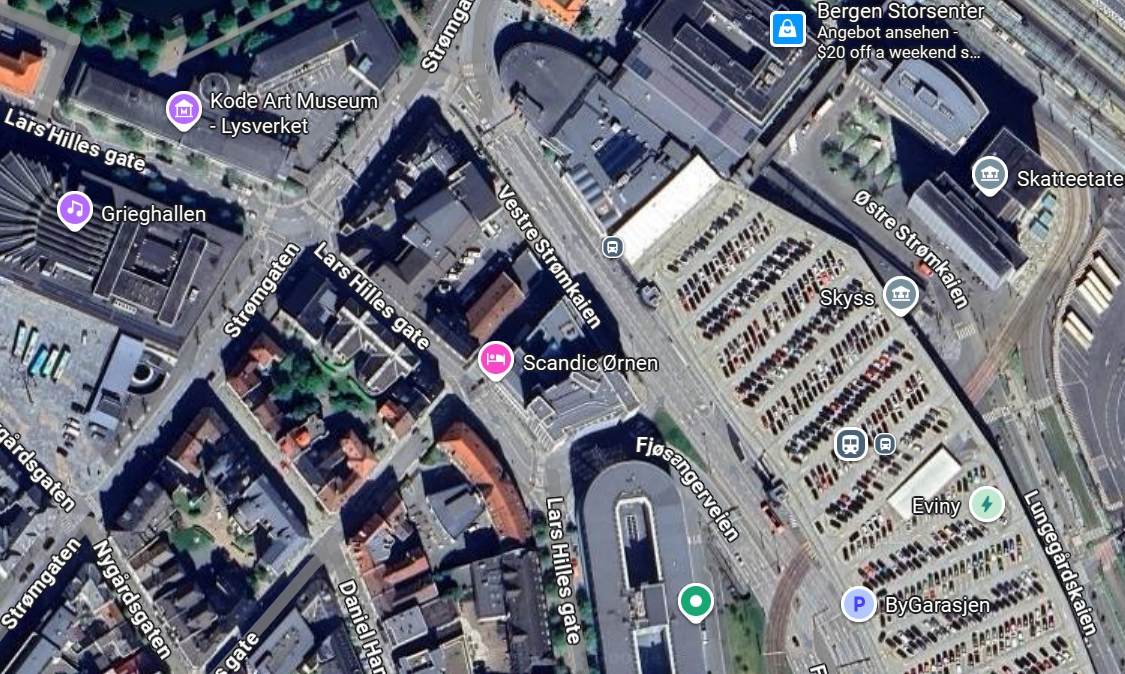
Scandic Ørnen is located at Lars Hilles Gate 18, right next to the main bus terminal.
The closest public transport stop is “Bergen Busstasjon”, the main bus terminal.