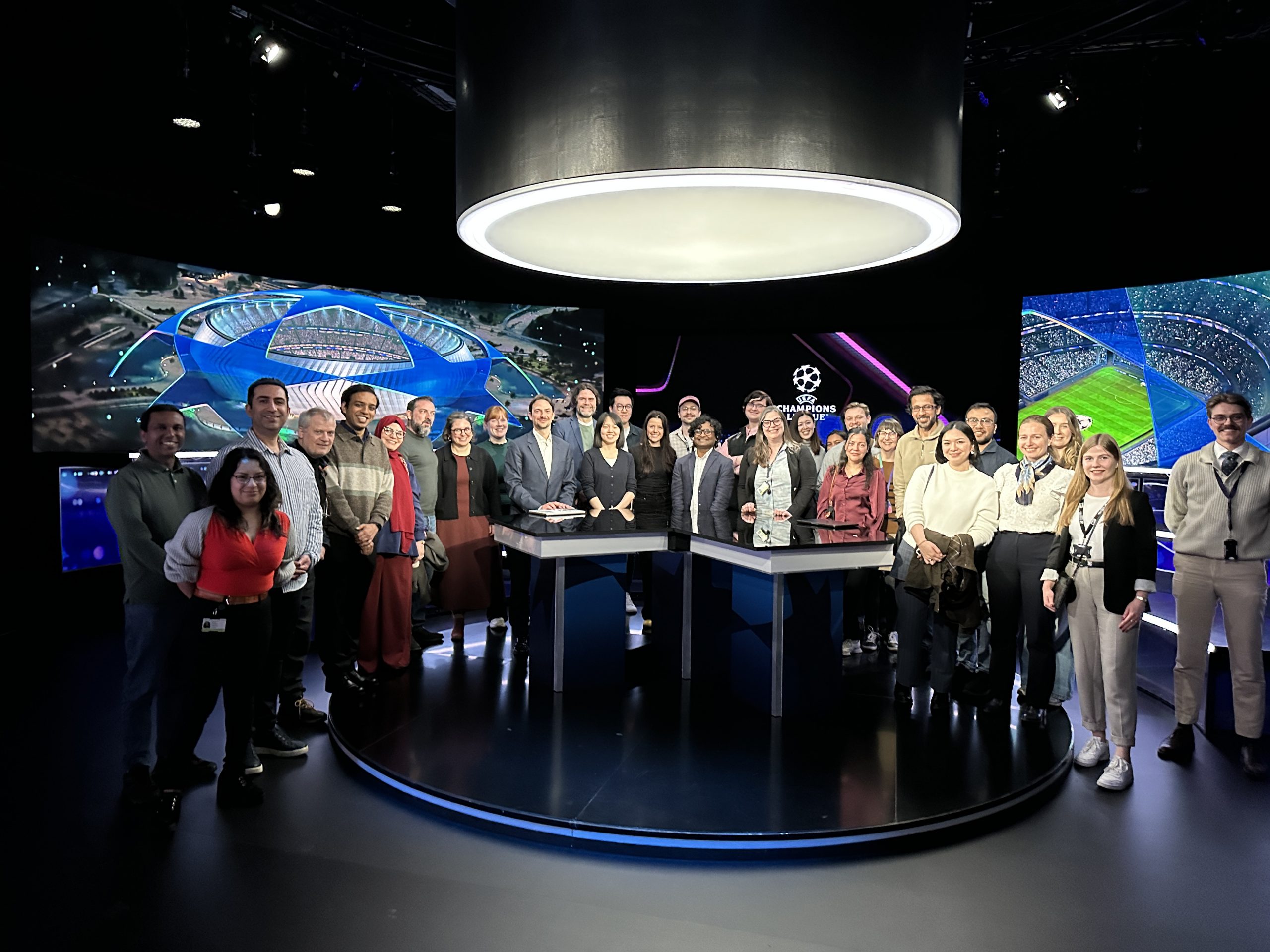
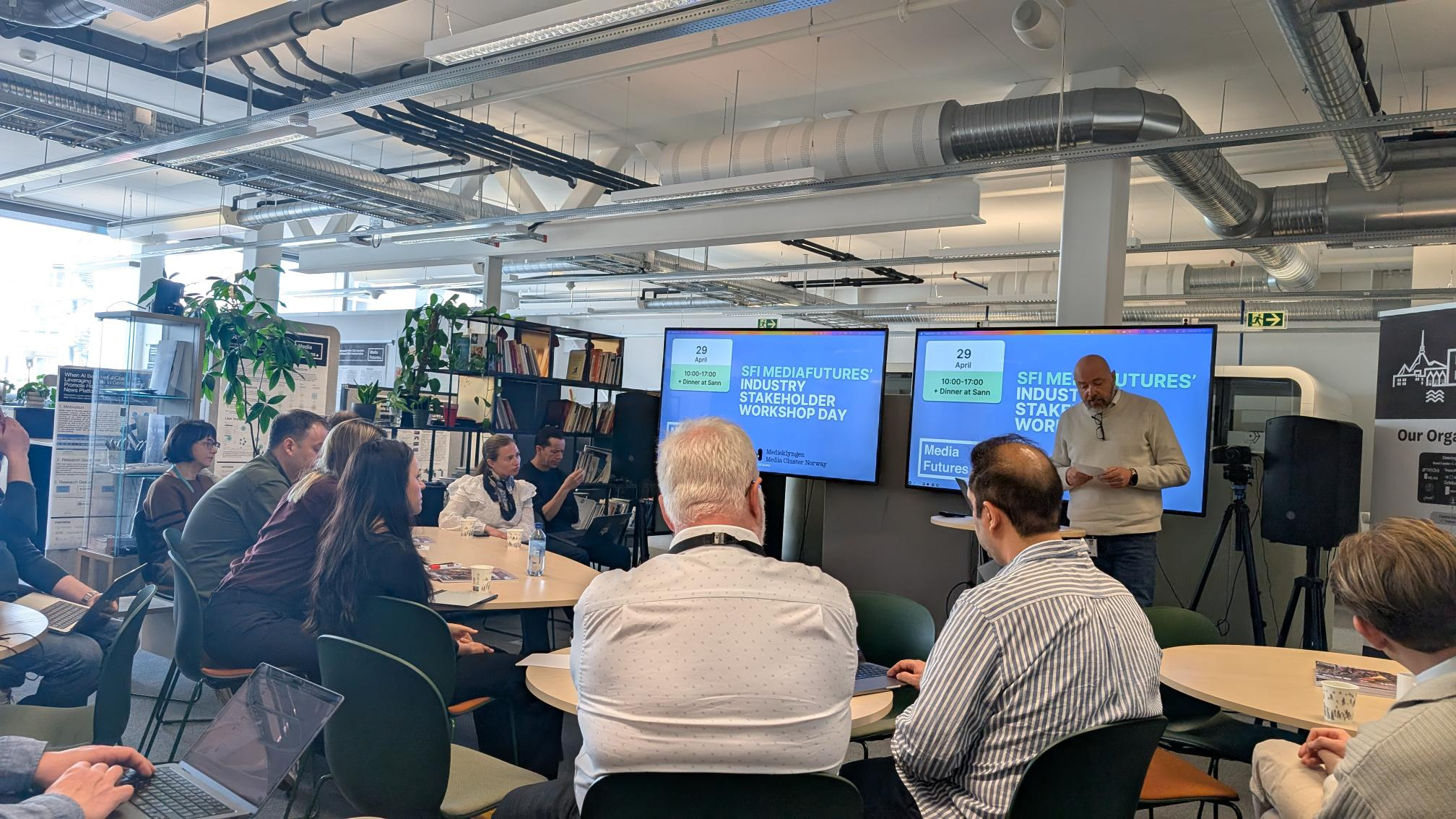
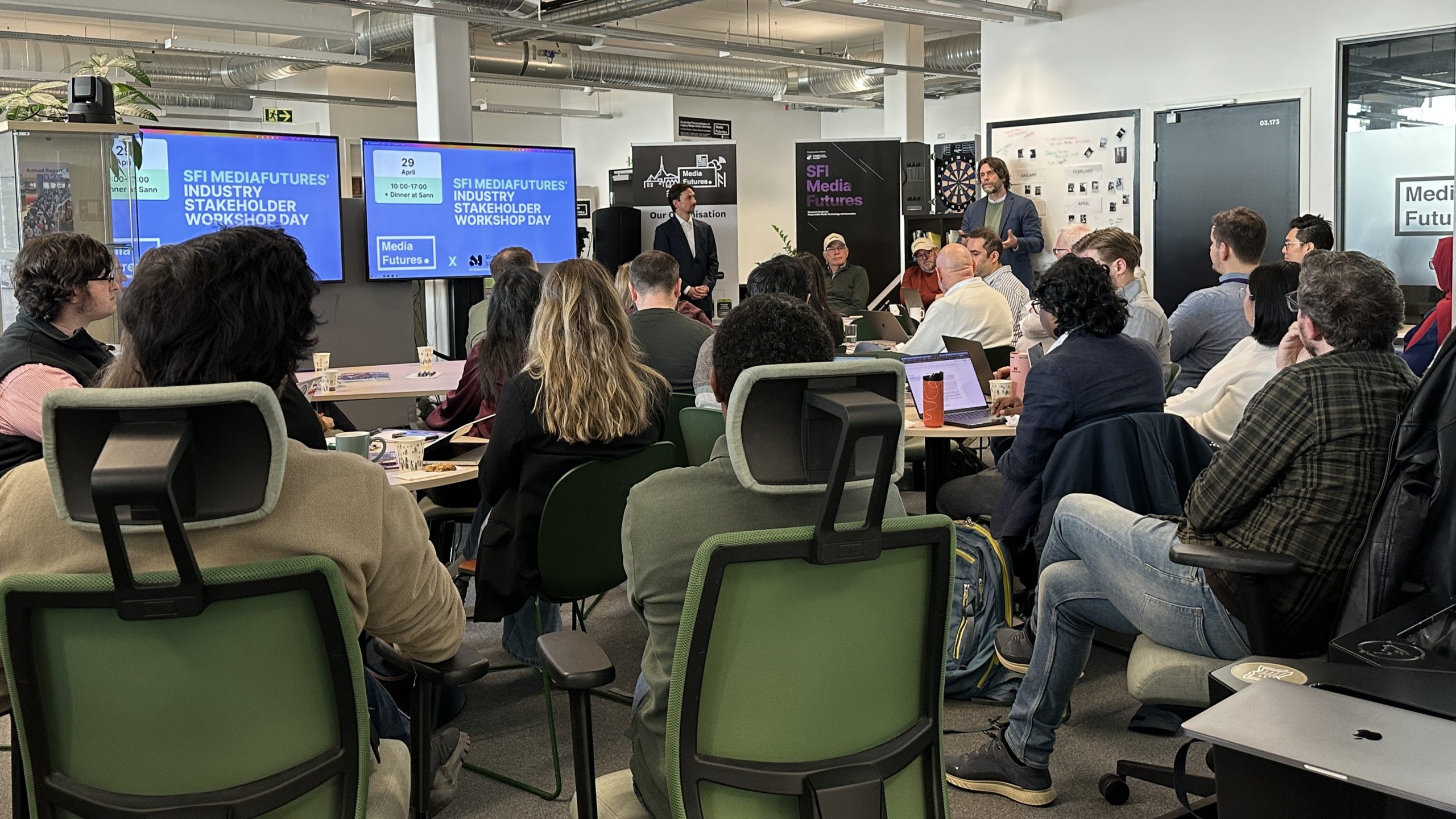
On Wednesday, April 29, SFI MediaFutures, together with our colleagues at Media Cluster Norway, hosted its first Industry Stakeholder Workshop Day at Media City Bergen. The full-day event brought together researchers and industry partners to explore shared challenges and new directions for collaboration across journalism, technology, and AI-driven media innovation.
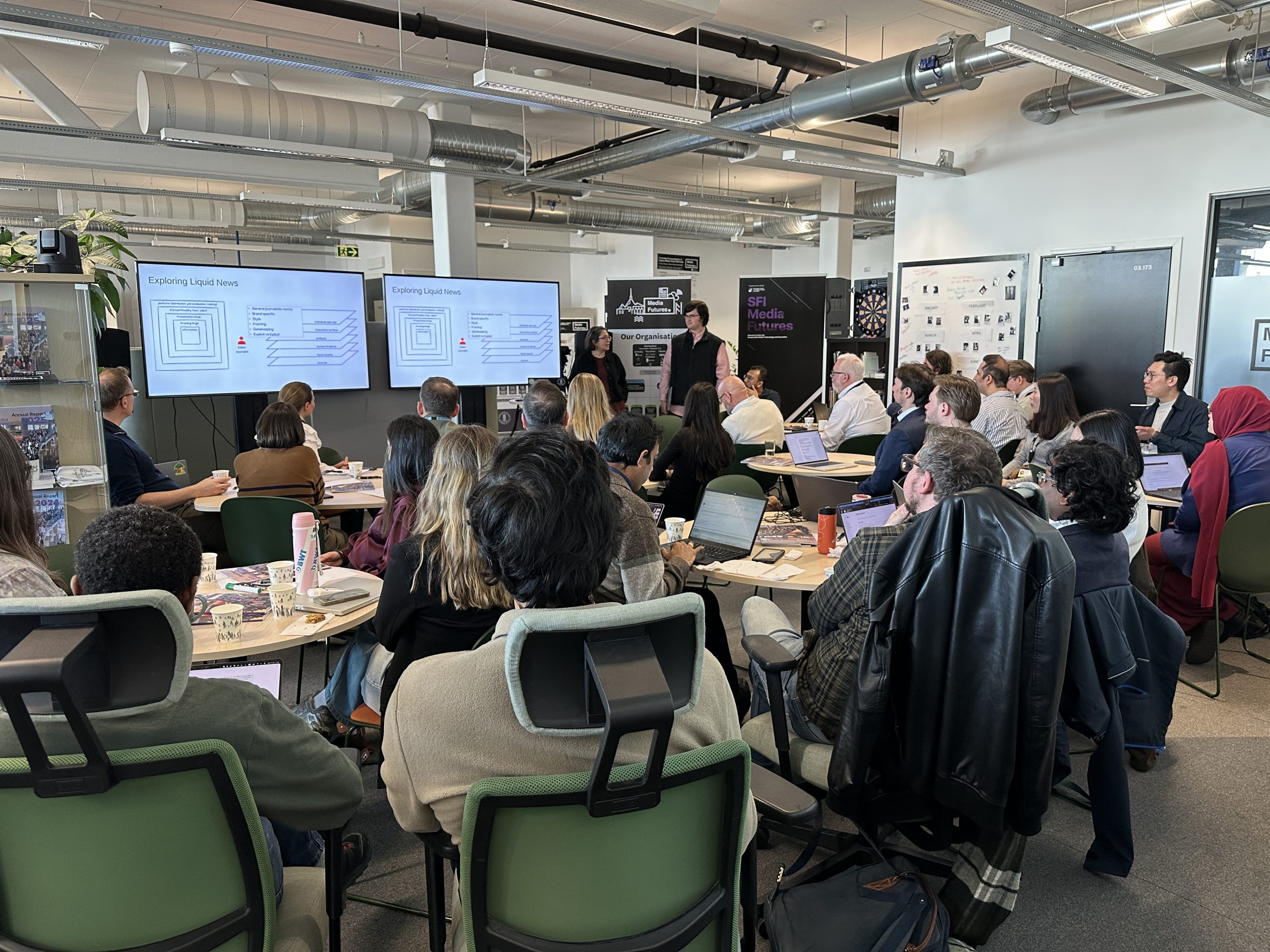
Designed as a space for open dialogue and project ideation, the workshop gathered representatives from MediaFutures’ industry and user partners alongside research stream leaders and senior researchers. Through presentations, table discussions, and site visits, participants engaged with emerging concepts such as liquid content, journalism-as-a-service, user-centric TV production, and AI governance in news organisations.
From Journalism as Product to Journalism as Service
The day opened with welcoming remarks from Odd Gurvin, CEO of Media Cluster Norway, together with Andreas L. Opdahl and Christopher Senf from MediaFutures. The first session set the tone for the workshop, focusing on how journalism is evolving in response to AI-driven infrastructures and changing audience behavior.
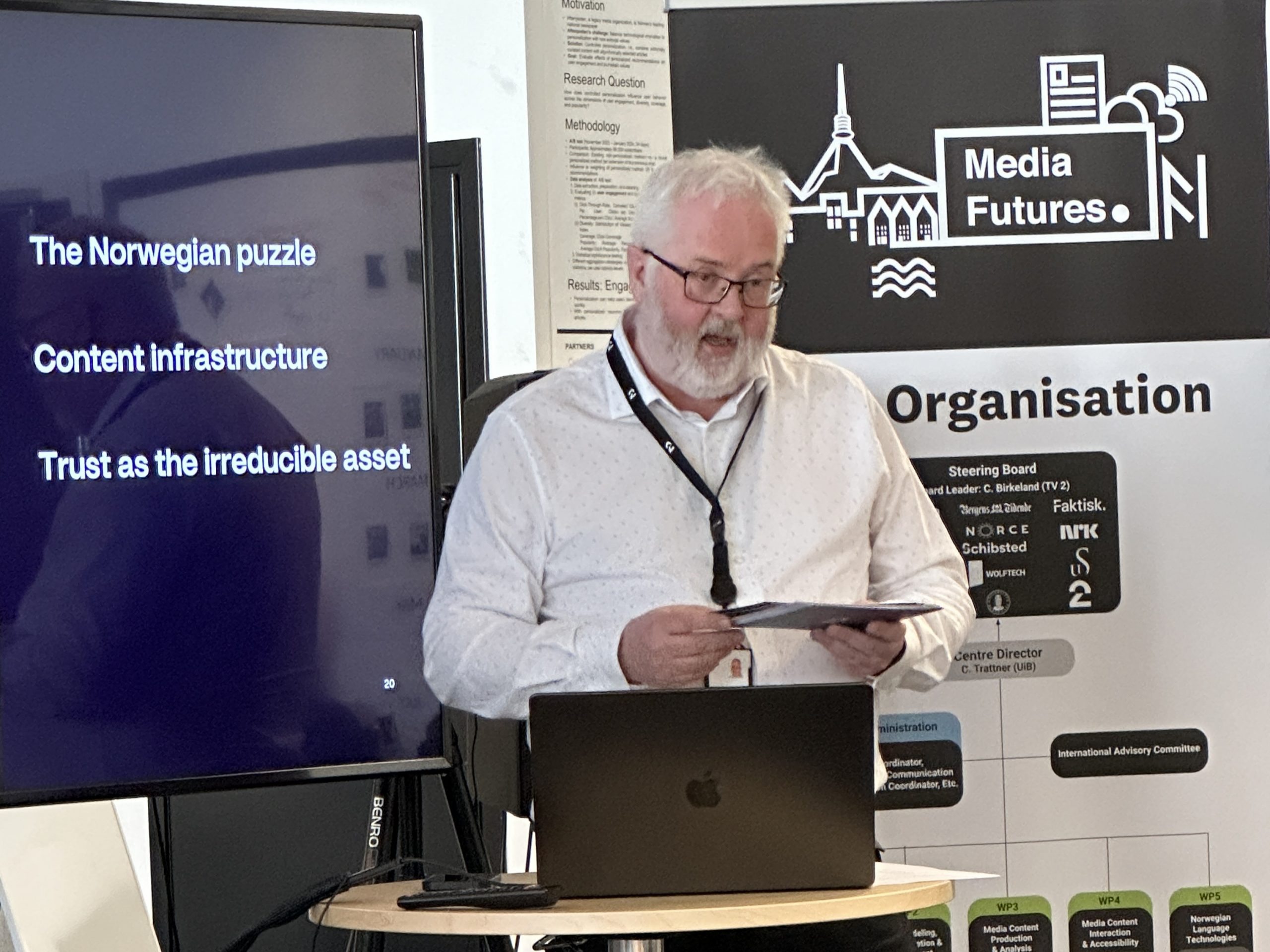
Are Tverberg, Senior Strategic Advisor at TV 2, presented a vision for a “Journalism-as-a-Service” model, arguing for a shift away from static news products toward more fluid, adaptive, and service-oriented forms of journalism. He challenged participants to rethink editorial control, audience agency, and trust, emphasizing that meaningful innovation often requires deeper structural change.
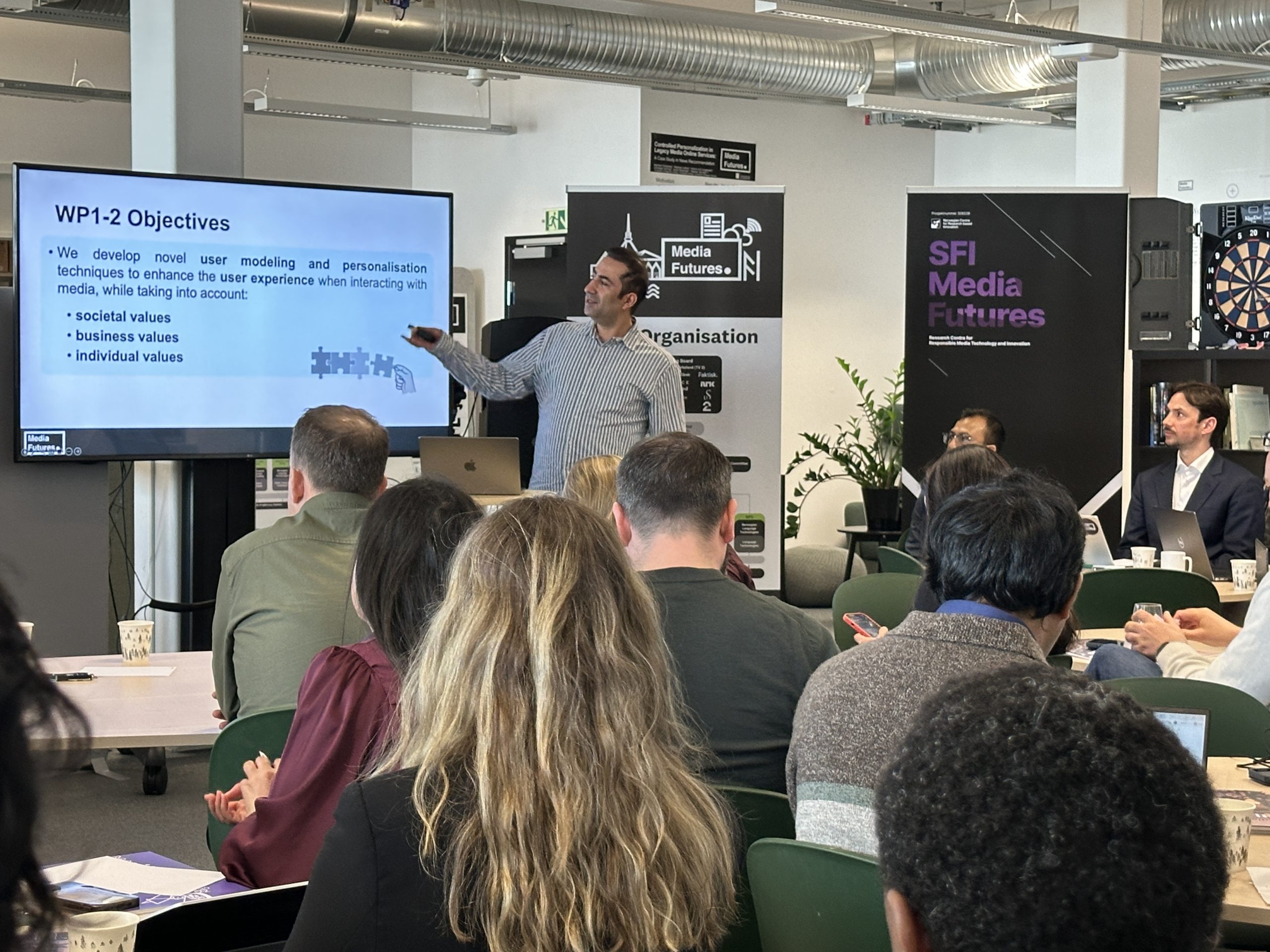
This industry perspective was followed by Mehdi Elahi, the leader of the Audience Understanding & Personalisation research stream at SFI MediaFutures, who introduced ongoing research on user modelling and personalization. Highlighting projects developed in collaboration with TV 2, Elahi outlined how contextual and editorial recommendation systems can enhance user experience while balancing individual, business, and societal values.
Liquid Content in Practice
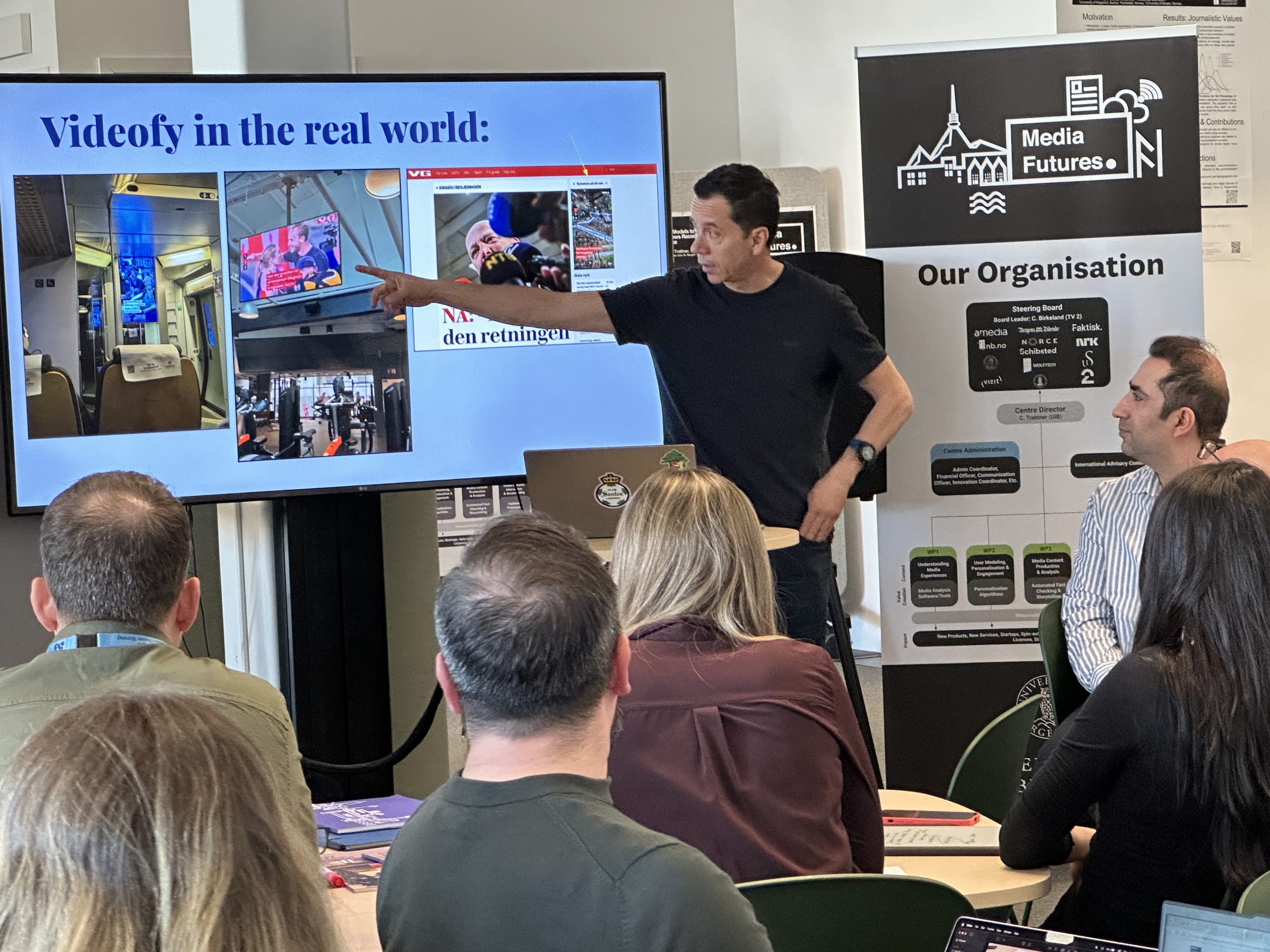
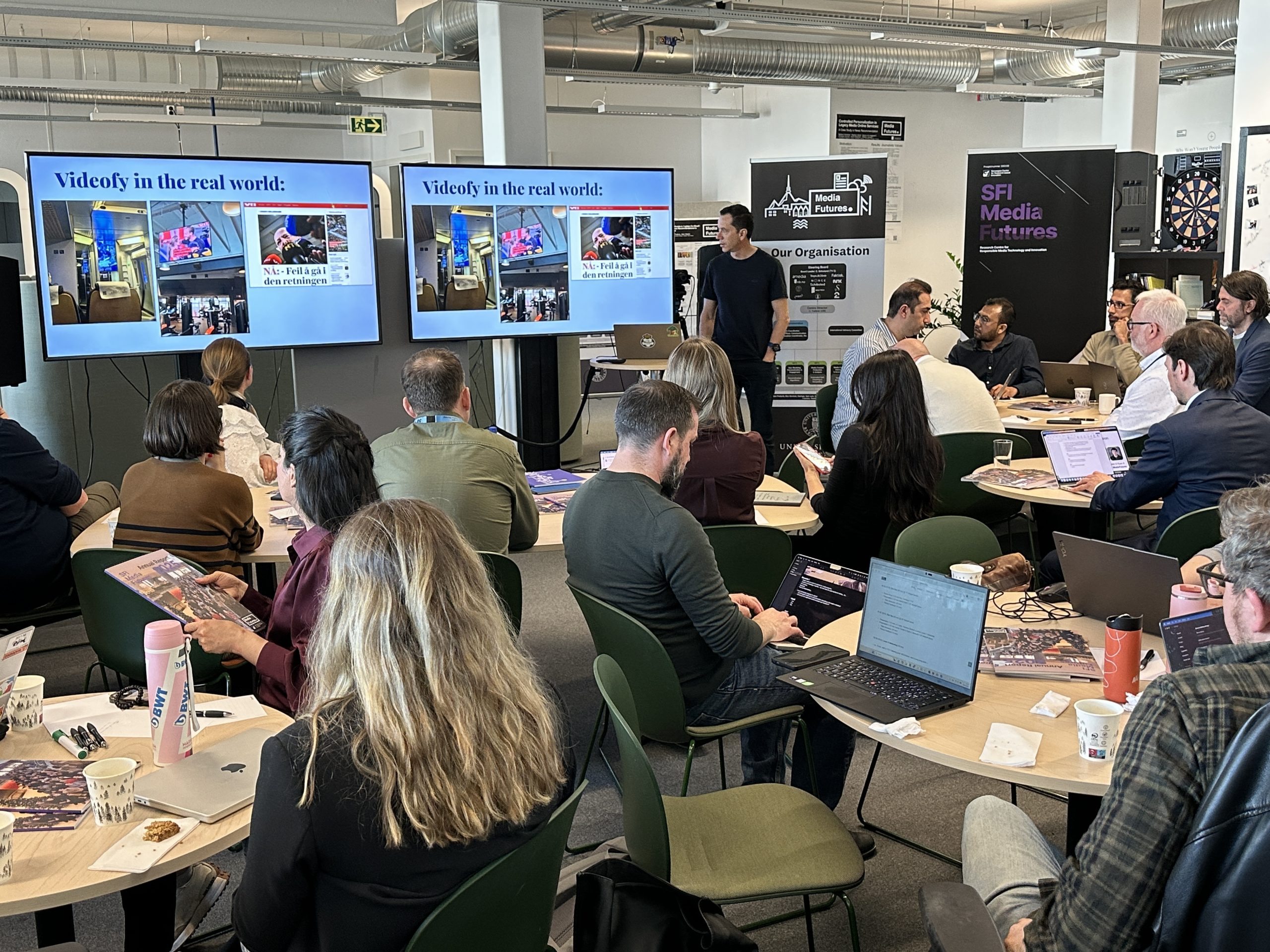
The second session explored liquid content from both industry and research perspectives. JC Lopez from Schibsted presented Videofy, an AI tool that transforms existing news articles into video formats using original journalistic assets. With journalists remaining “human in the loop”, Videofy demonstrates how AI can support scalable video production while preserving editorial oversight.
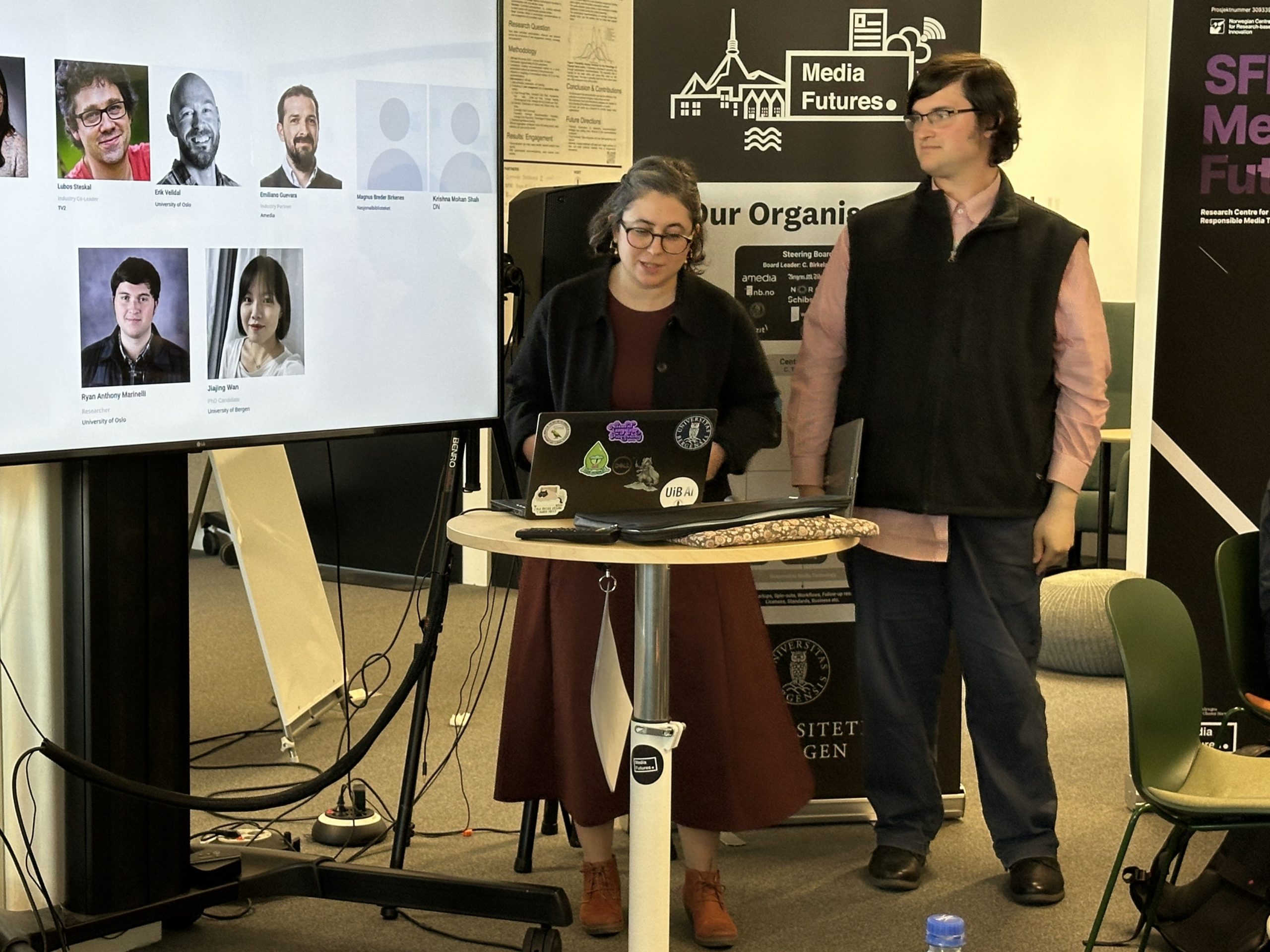
From the research side, Samia Touileb and Ryan A. Marinelli from MediaFutures introduced their work in Norwegian Language Technologies research stream and multimodal approaches to liquid news. Marinelli also demonstrated Liquid Looking Glass, an experimental tool exploring how news content can move seamlessly across formats and platforms.
Site visits at TV2 and NRK
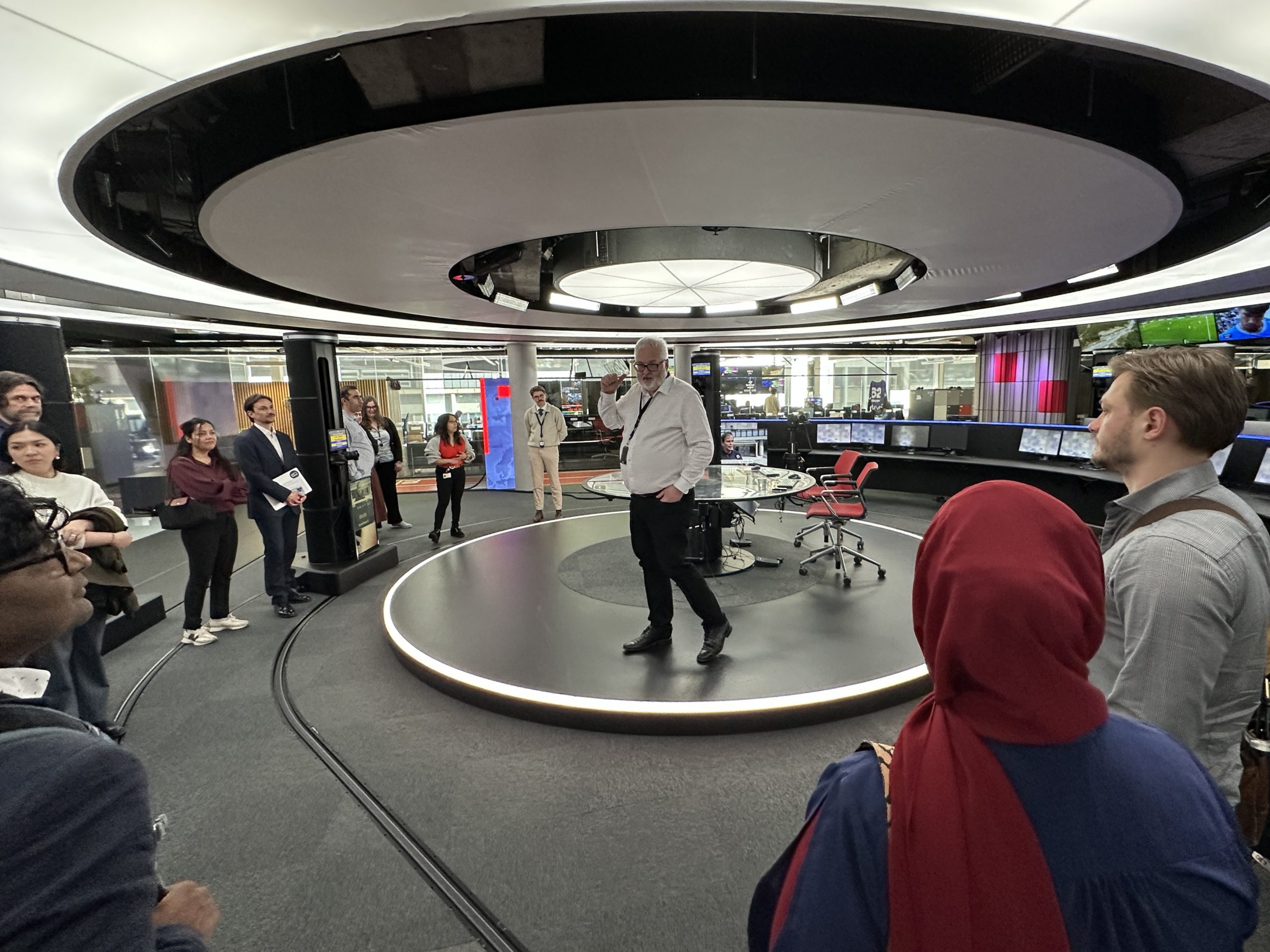
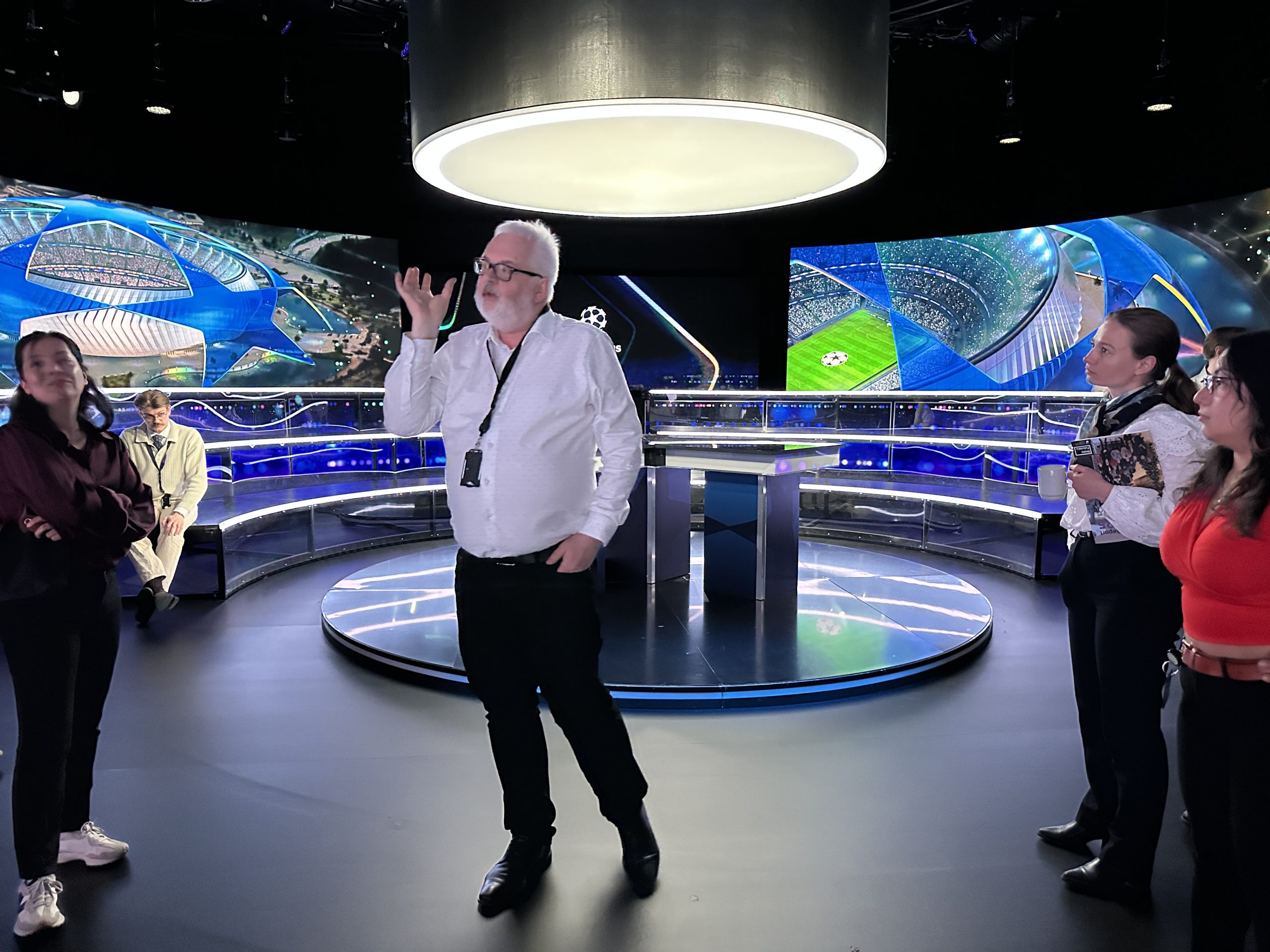
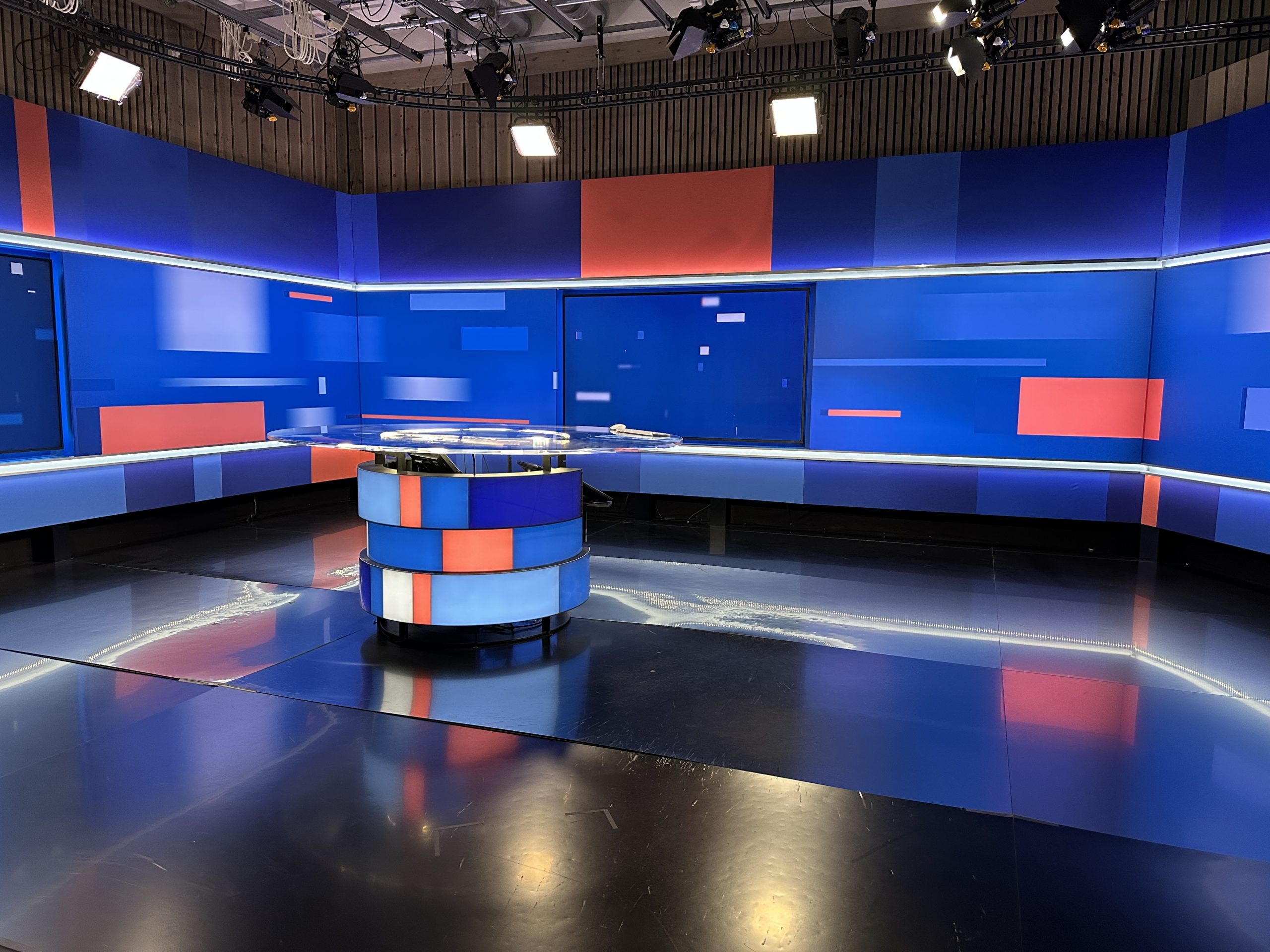
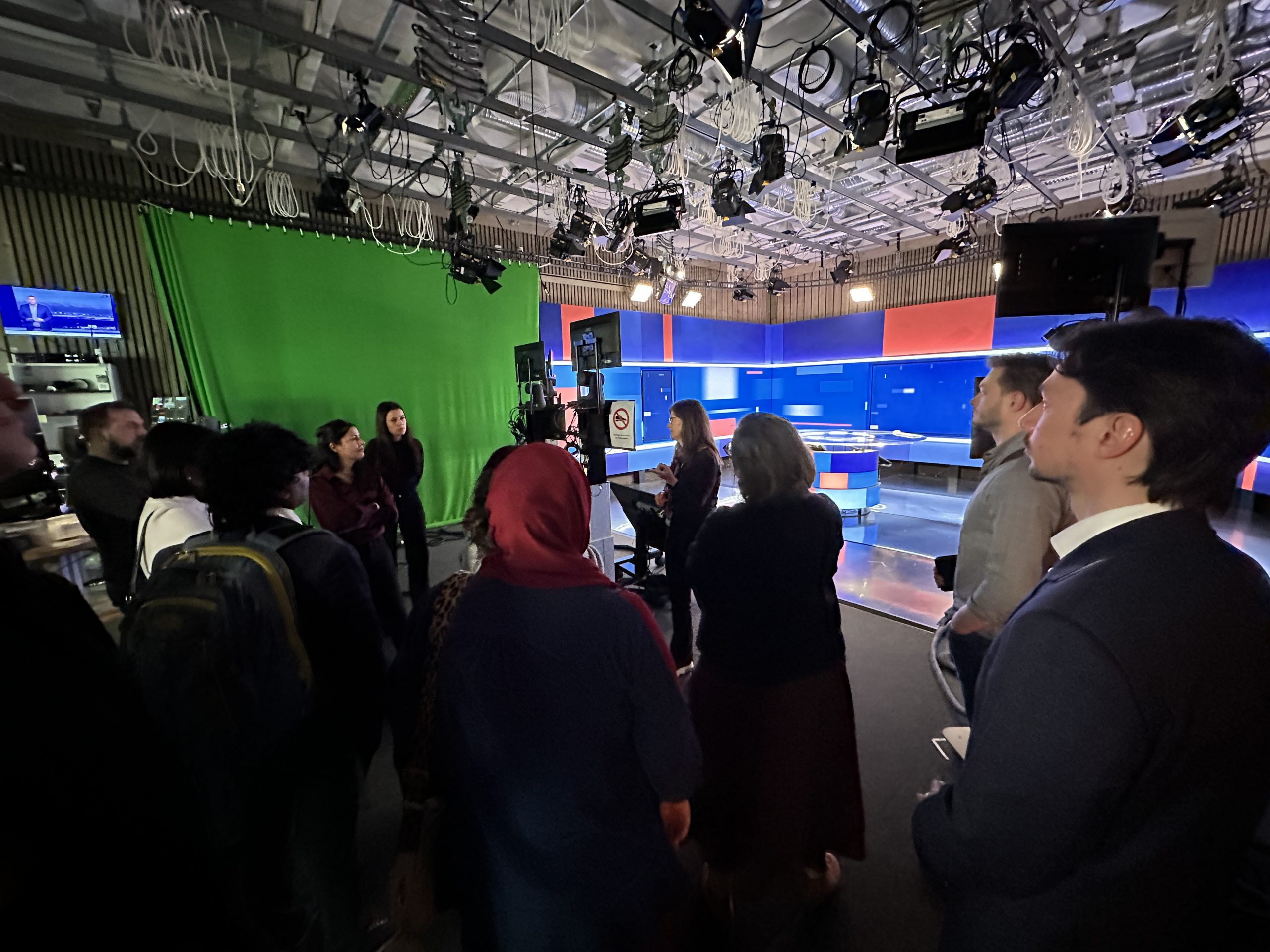
After lunch and networking, participants visited the offices of TV 2 and NRK. A guided tour provided hands-on insight into contemporary media production environments.
Gaze Tracking
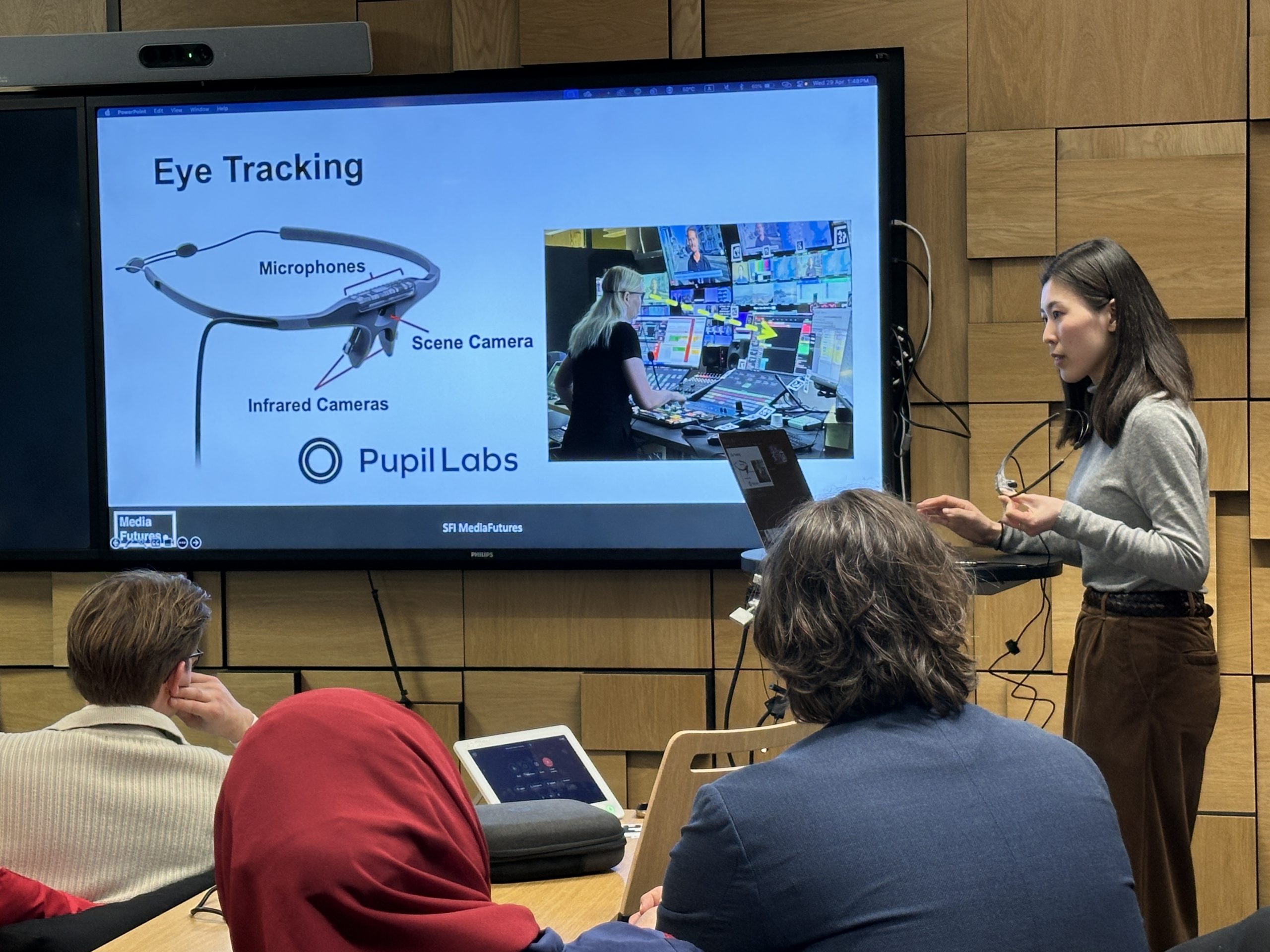
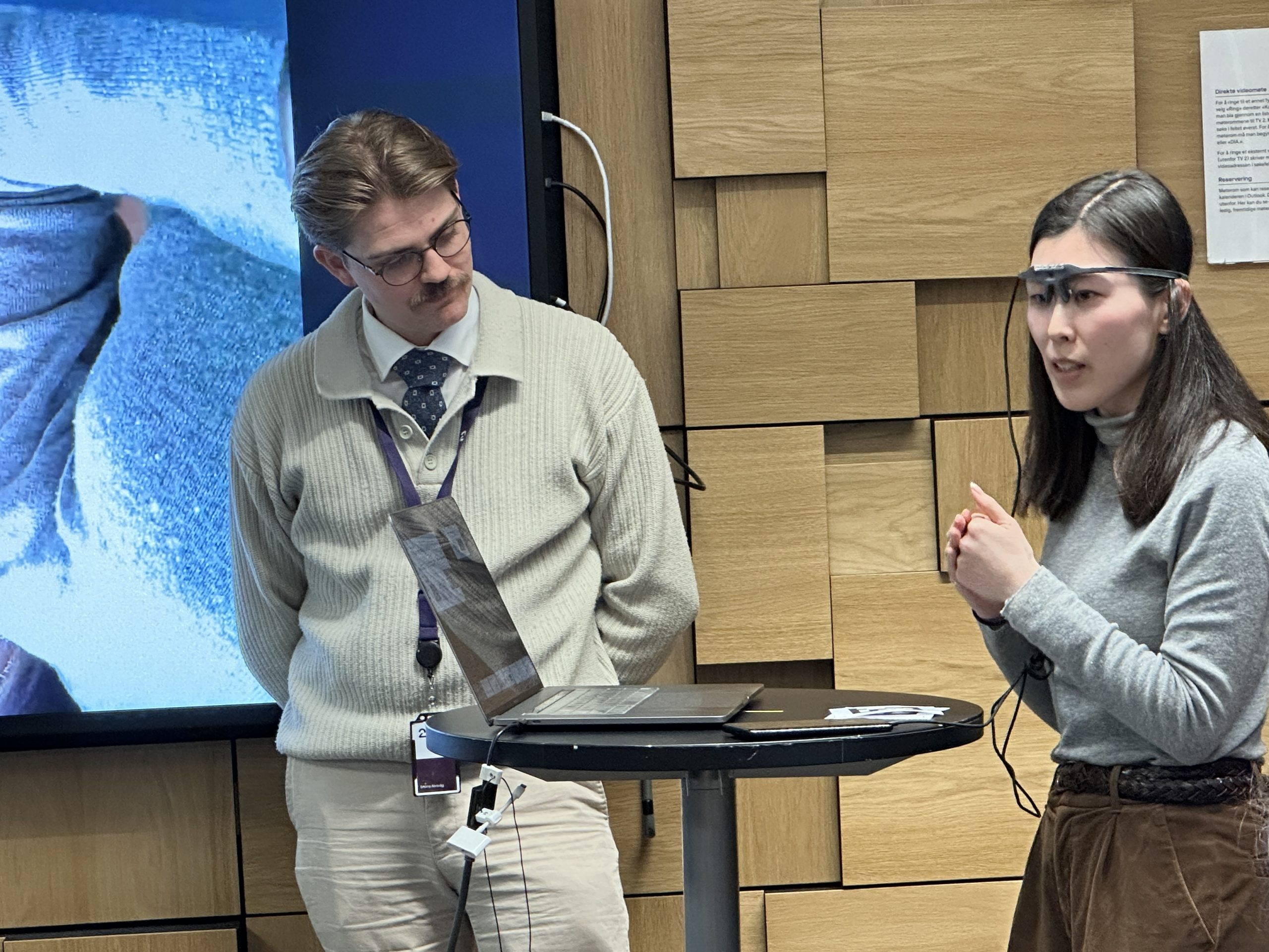
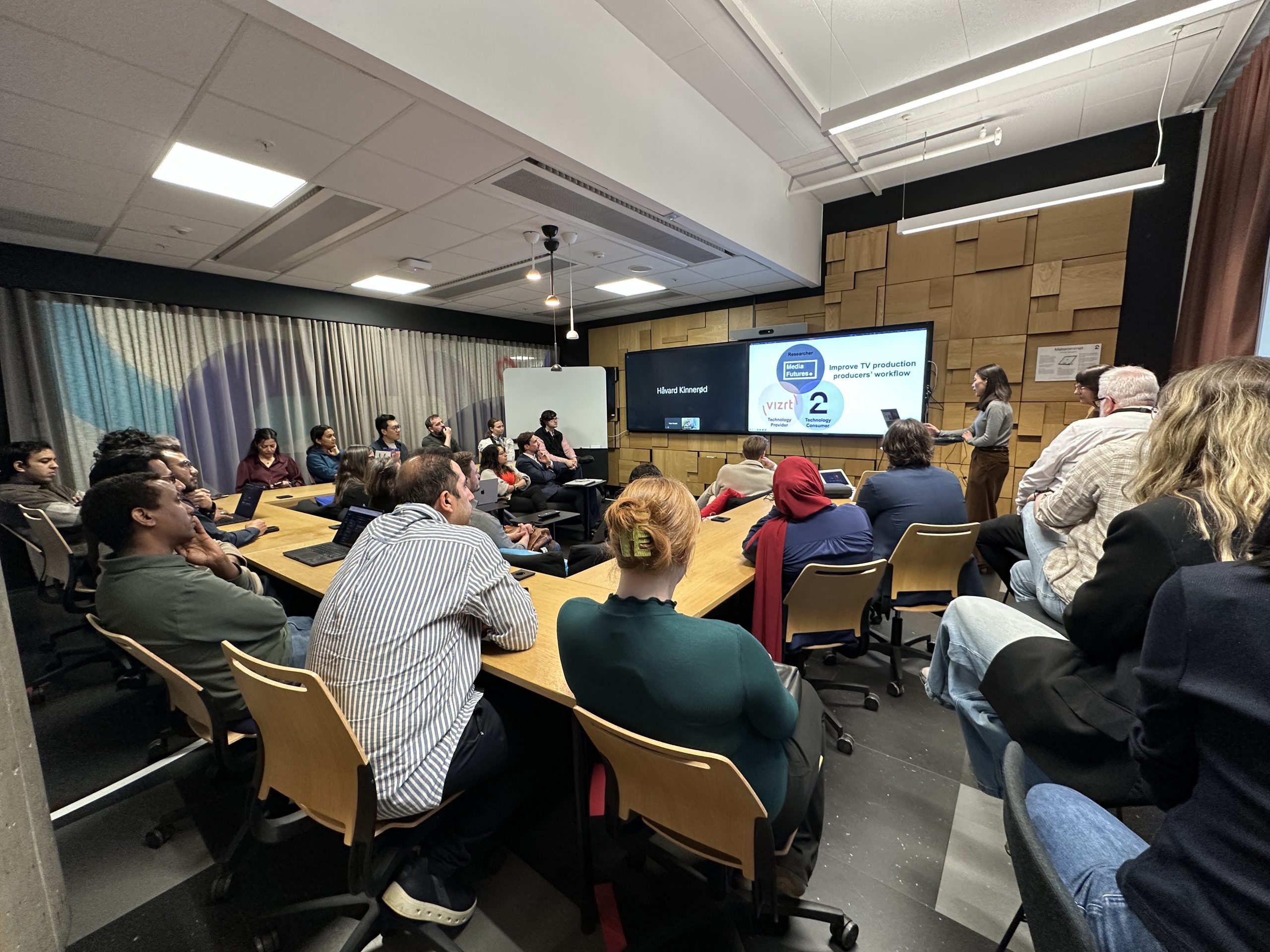
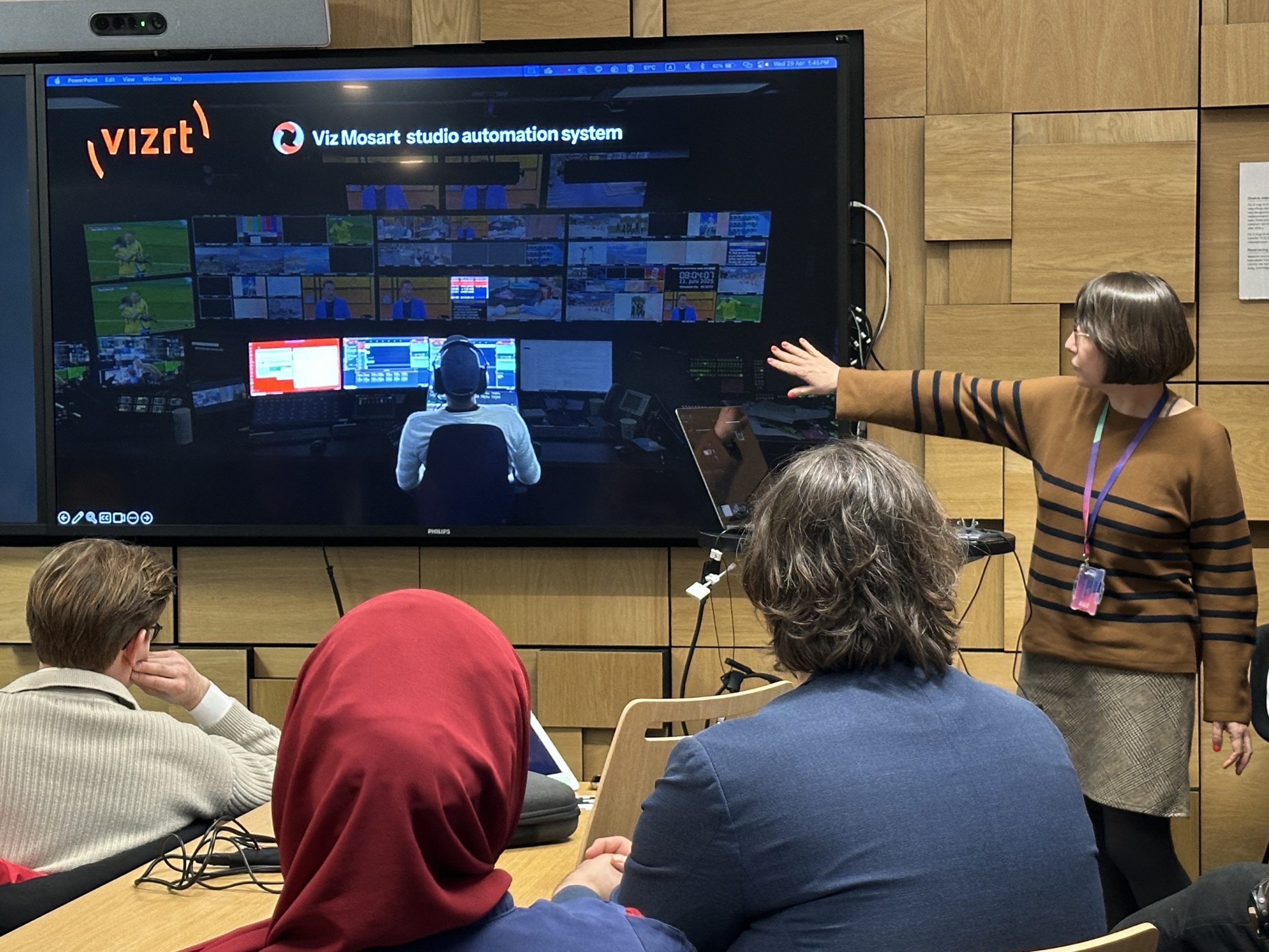
During the visit at TV2, Yuki Onishi (MediaFutures), Snorre Alvsvåg (TV2) and Nataliya Nymo (Vizrt) gave a talk about the Gaze Tracking Project. The presentation showcased collaborative work between MediaFutures, Vizrt, and TV 2 on user-centric TV production control rooms, including research using eye-tracking to better understand editorial decision-making under pressure.
Young Audiences, Trust, and AI Communication
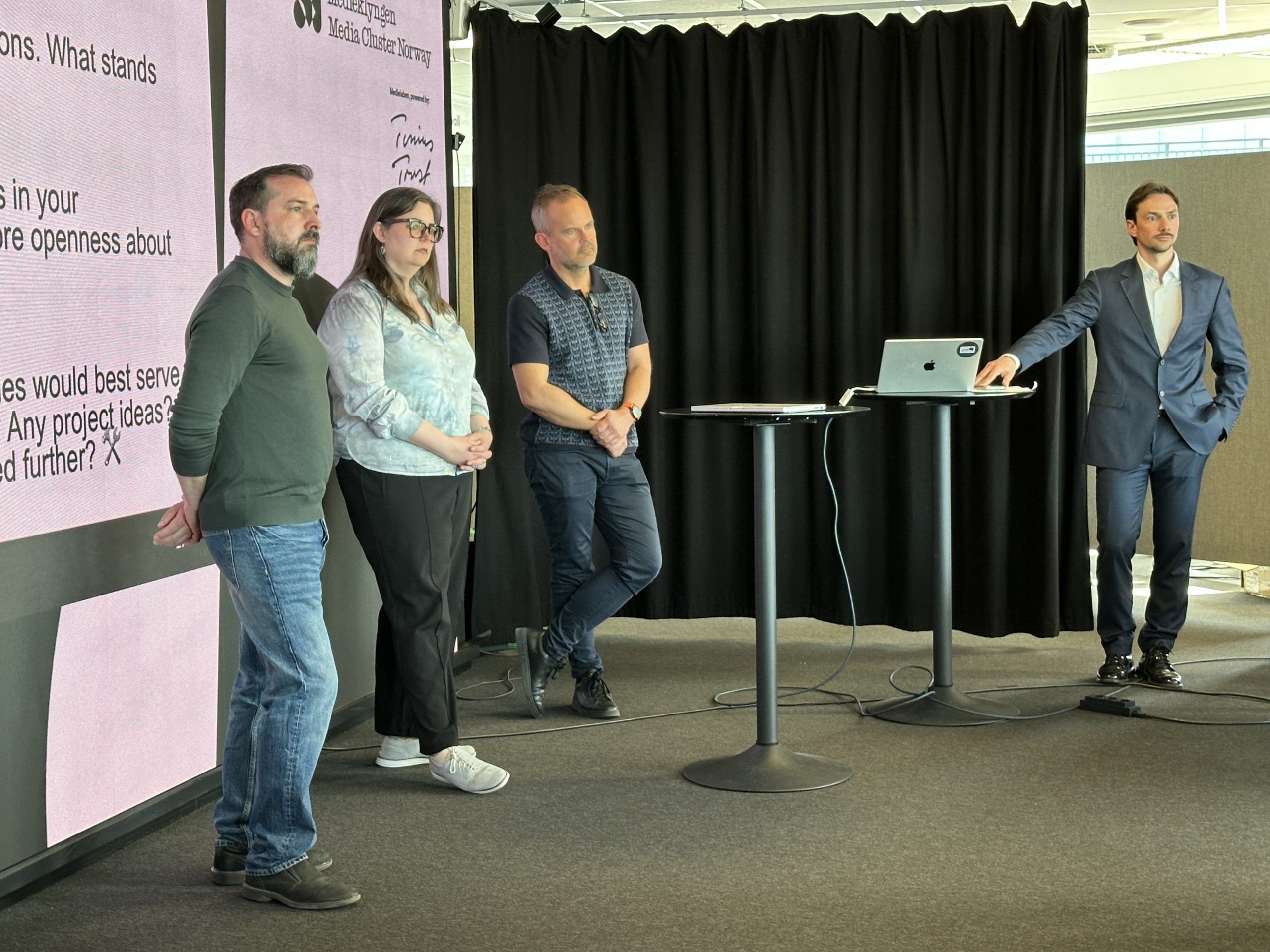
The afternoon sessions at Medieklyngen turned attention to young audiences, trust, and transparency. Jan Stian Vold from Bergens Tidende discussed strategies for reaching younger audiences, challenging the idea of a “lost generation” while emphasizing adaptation to changing media habits, such as vertical video and platform-native storytelling. Emiliano Guevara from Amedia betrayed “How to reach young audiences aged 15–20 and how to acquire loyal customers from a built network of young readers.
This was followed by Emily LaRosa from MediaFutures, who introduced Curated Information Frameworks – a practical approach to help media organisations decide how to communicate about their use of AI: what to say, to whom, when, and why. The framework responds to a growing need for coherent and transparent AI communication in news organisations.
Fact-Checking, Extreme Content, and Multimodal Challenges
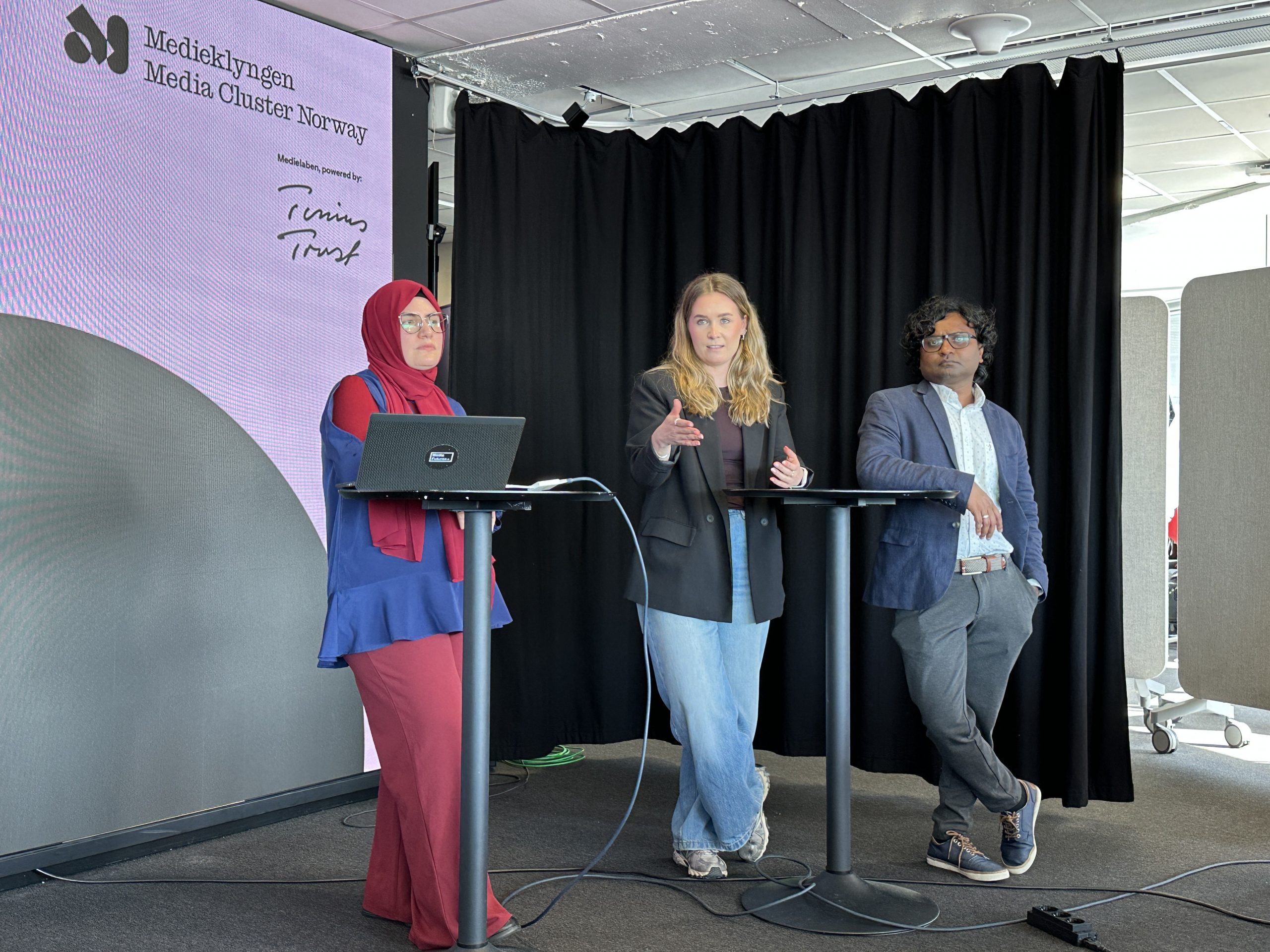
The final session addressed AI-supported verification and content moderation. Kajsa Garmann Lønrusten from Faktisk.no presented work on TikTok story scraping and analysis, while Vinay Setty from Factiverse discussed multimodal fact-checking in political contexts, including election-related claims.
Closing the session, Hina Afridi from MediaFutures presented research on extreme content and hate symbol detection, developed in collaboration with Faktisk.no. Her discussion raised critical questions about false positives, rare-symbol detection, and the ethical trade-offs involved in automated content moderation.
Looking Ahead
The workshop concluded with a wrap-up session, followed by a reception and joint dinner, giving participants further opportunity to exchange ideas and explore future collaborations.
By bringing research and industry perspectives together in a shared setting, the MediaFutures Industry Stakeholder Workshop Day marked an important step toward deeper collaboration on how journalism, technology, and AI can be developed responsibly and innovatively – together.